Japanese Startup Launches Gundam-Inspired Haro Robot to Space
A Unique Space Mission Inspired by a Classic Anime
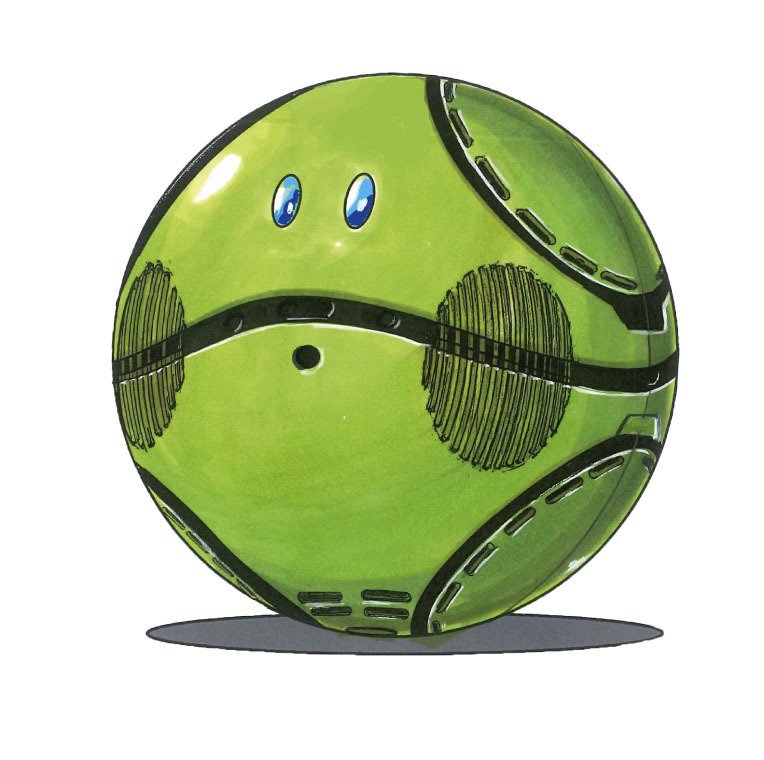
TOKYO - A Japanese startup is preparing to send a spherical robot, inspired by the iconic character Haro from the classic anime series "Mobile Suit Gundam," into space by next spring. This ambitious project, led by Space Entry Co., a company based in Tsukuba near Tokyo, aims to explore the potential of robots in space environments.
The mission's primary goal is to test whether "Everyone's Haro" can successfully launch, move freely in microgravity, and communicate effectively as a partner—mirroring its role in the anime. The robot's design was entrusted to Kunio Okawara, the mechanical designer who originally created Haro for the Gundam franchise. His involvement adds a unique touch to the project, bridging the gap between popular culture and space exploration.
Once launched, the robot will be deployed to the Kibo Japanese experiment module on the International Space Station (ISS). There, it will collect data on how robots can operate autonomously in space environments. The 21-centimeter-diameter robot, constructed from aluminum, is designed to move in all directions using only its propeller system. Its cheeks will serve as propulsion outlets, allowing it to navigate through the microgravity environment.
Equipped with sensors, the robot will detect obstacles and stop movement when necessary. It will also feature a camera and microphone to facilitate communication with astronauts. Additionally, light-emitting diodes will act as "eyes," enabling the robot to express simple signals through blinking. These features are intended to make the robot not just a functional tool but also a friendly companion in space.
Crowdfunding Success and Public Engagement
To fund the project, Space Entry Co. launched a crowdfunding campaign on April 14. The campaign quickly reached its first goal of 3 million yen ($19,000) in just three days, with 200 people making pledges. This overwhelming support highlights the public's enthusiasm for the project.
Backers have the option to join the project as participants, which allows them to be involved in the robot's development process and attend launch events. Alternatively, they can receive exclusive novelty items as a token of appreciation. This approach not only helps raise funds but also fosters a sense of community and shared purpose among supporters.
Ryoichi Kumagai, president of Space Entry Co., emphasized the importance of this project in his statement at a press conference held on April 7. He said, "We hope this project will serve as a gateway for more people to participate in space development." This sentiment reflects the broader vision of the company: to inspire and engage the public in the exciting field of space exploration.
Future Implications and Excitement
The success of this project could pave the way for future robotic missions in space. By demonstrating the feasibility of autonomous robots in microgravity, the team hopes to contribute valuable insights to the field of space robotics. The integration of familiar elements from popular culture, such as the Haro character, may also help make space exploration more relatable and accessible to a wider audience.
As the project moves forward, the team will focus on refining the robot's capabilities and ensuring its successful deployment on the ISS. The collaboration between the startup and the Japanese space agency, JAXA, underscores the potential for innovative partnerships in advancing space technology.
With the support of the public and the expertise of experienced designers, the spherical robot inspired by Haro is set to become a symbol of creativity and innovation in space exploration. As the countdown to its launch begins, excitement continues to build around this unique mission that blends science, technology, and pop culture.
