People Ditch Excuses as Honda's Electric Dirt Bike Proves Its Worth
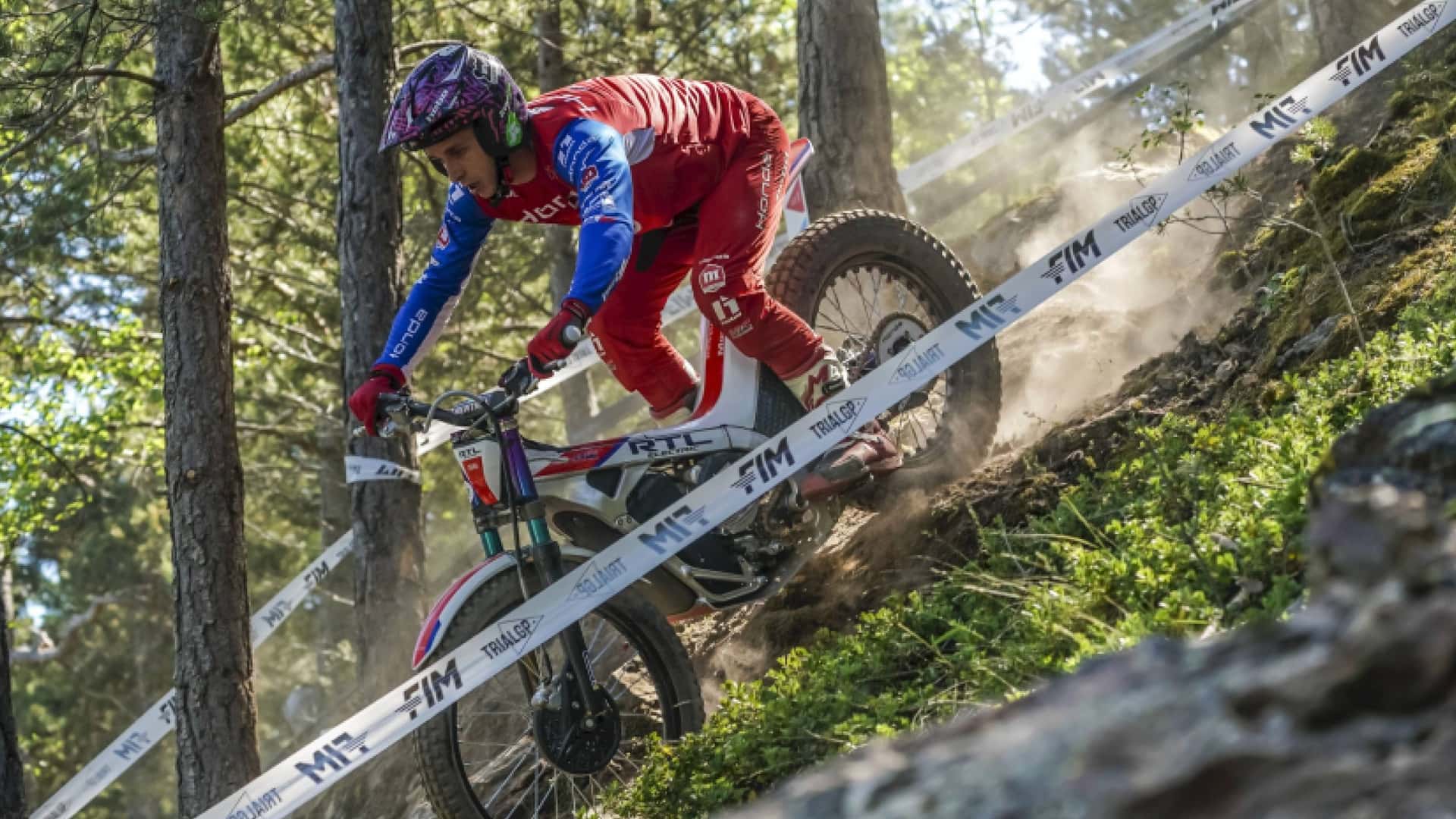
Honda's Electric Trials Bike Makes a Strong Statement
Honda's electric trials bike, the RTL Electric, is no longer seen as just an experimental project. It's now being evaluated as a genuine competitor in the world of motorcycle trials. This shift marks a significant milestone for electric motorcycles, which have long been viewed with skepticism in competitive environments.
For years, electric motorcycles operated in a niche space where every achievement came with caveats. Podium finishes were often accompanied by asterisks, and even decent results were met with comments like "impressive for an electric bike." However, Honda's RTL Electric seems to be changing that narrative.
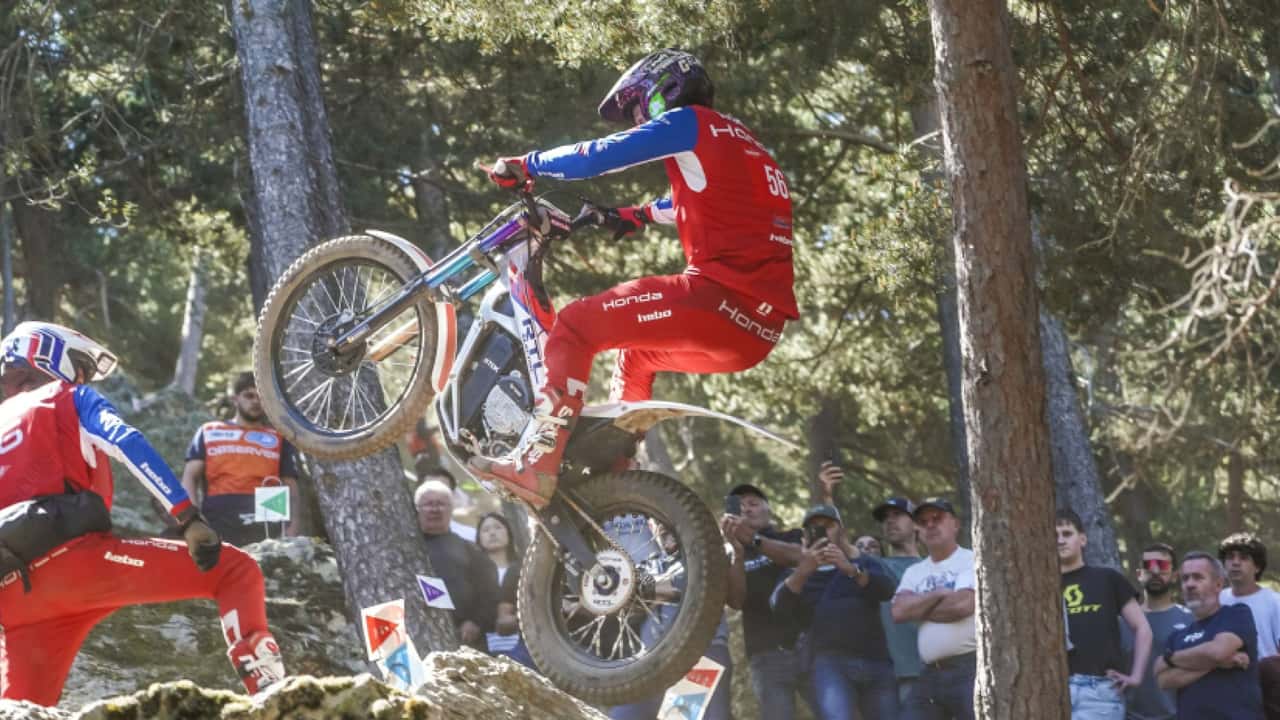
The latest evidence of this transformation came during the TrialGP round in Andorra. Honda rider Miquel Gelabert competed against some of the top trials riders globally and secured sixth overall on Saturday and fourth on Sunday. While these results might not seem groundbreaking at first glance, they carry significant weight when considered in context.
A Shift in Perspective
What makes these results noteworthy isn't the positions Gelabert achieved, but rather the reasons he didn't finish higher. After the opening day, Gelabert didn't mention battery limitations, power delivery issues, or charging concerns—common topics associated with electric race bikes. Instead, he focused on mistakes, rhythm, confidence, and section management. His team manager, Carles Barneda, echoed similar sentiments.
This shift in conversation is remarkable. A few years ago, the primary question surrounding Honda's electric trials project was whether the bike could even survive at the highest level of competition. Now, the discussion has evolved into whether the rider can avoid making enough mistakes to secure a podium finish. This is a far more positive problem to have than one related to mechanical shortcomings.
Rapid Development and Aggressive Strategy
The RTL Electric's development path has been surprisingly aggressive. Honda began by entering domestic competitions in Japan, where the bike quickly demonstrated its potential. This was followed by a full campaign in the Trial2 World Championship, and now it's competing in the premier TrialGP category—a highly competitive environment that tests the limits of any motorcycle.
Trials: A Harsh Testing Ground
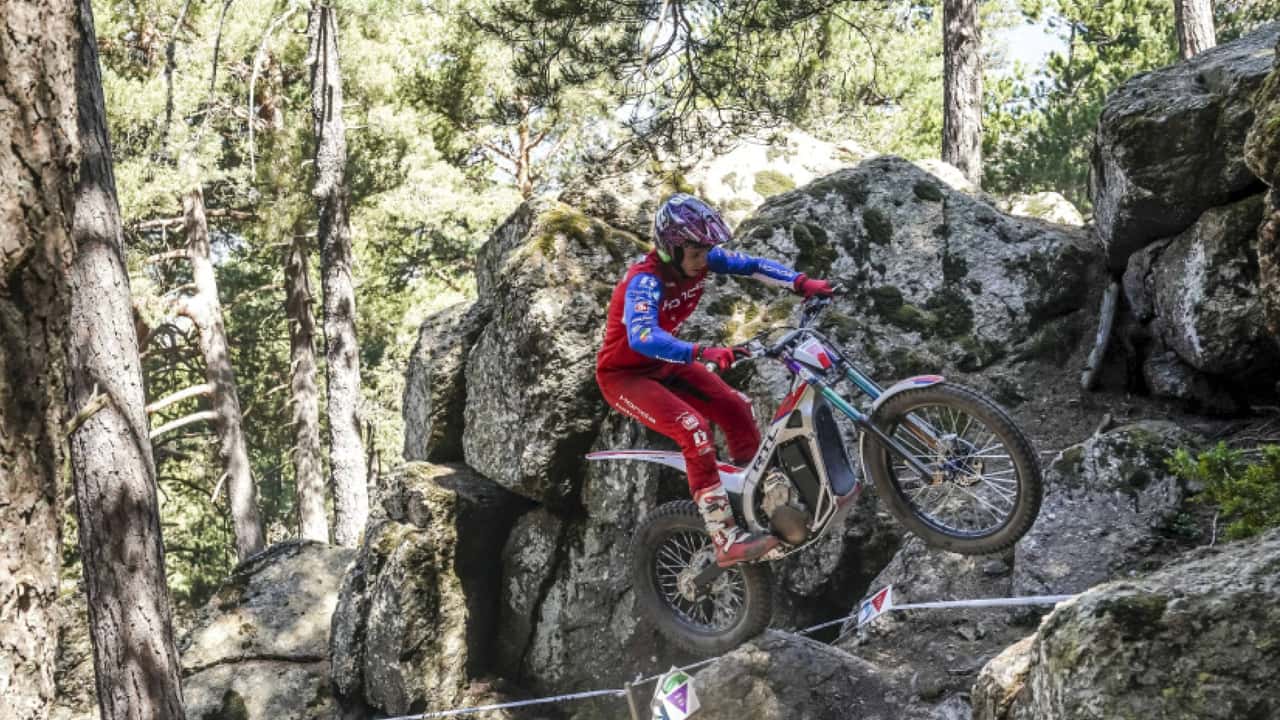
Trials is one of the most demanding disciplines for motorcycles. Unlike road racing or motocross, where speed and power can sometimes mask weaknesses, trials requires precise balance, traction, and throttle control. Every section of the course exposes flaws that most motorcycles don't have to face.
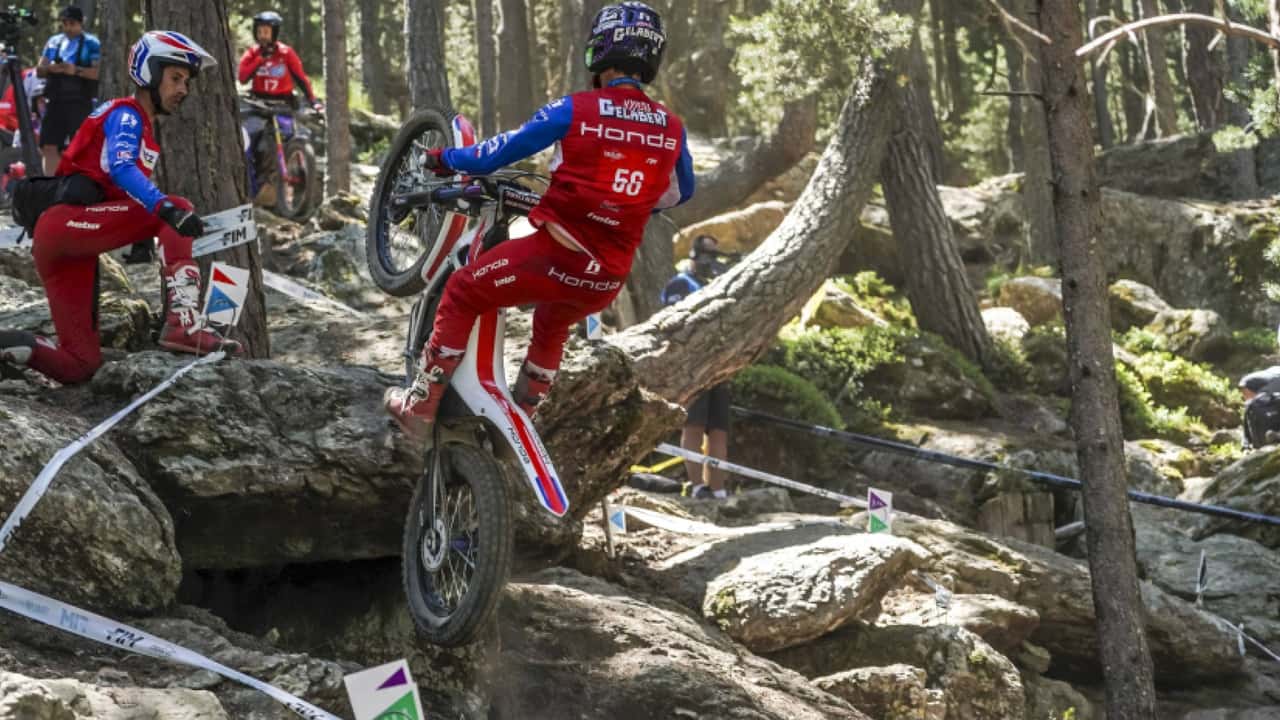
Despite this, Honda's results suggest that the RTL Electric has moved beyond the stage of proving its viability. During Sunday's competition, Gelabert was fighting for third place and ultimately finished tied on points with the rider who secured the final podium position. This is no longer about proving electric motorcycles belong—it's about competing for wins.
An Unexpected Outcome
There's also a certain irony in Honda's journey. The company likely entered this program to explore how electric technology could compete against traditional combustion-powered machines. Instead, it may have discovered something even more valuable: the bike is becoming normal.
When the main criticism after a race weekend is that the rider left points on the table, the conversation shifts from whether electric motorcycles can compete to who should've finished on the podium. This is a strong indicator that Honda's experiment is succeeding. The RTL Electric is no longer just an electric bike—it's a legitimate contender in the world of motorcycle trials.
