The Rise of Robot Soldiers on the Ukrainian Battlefield
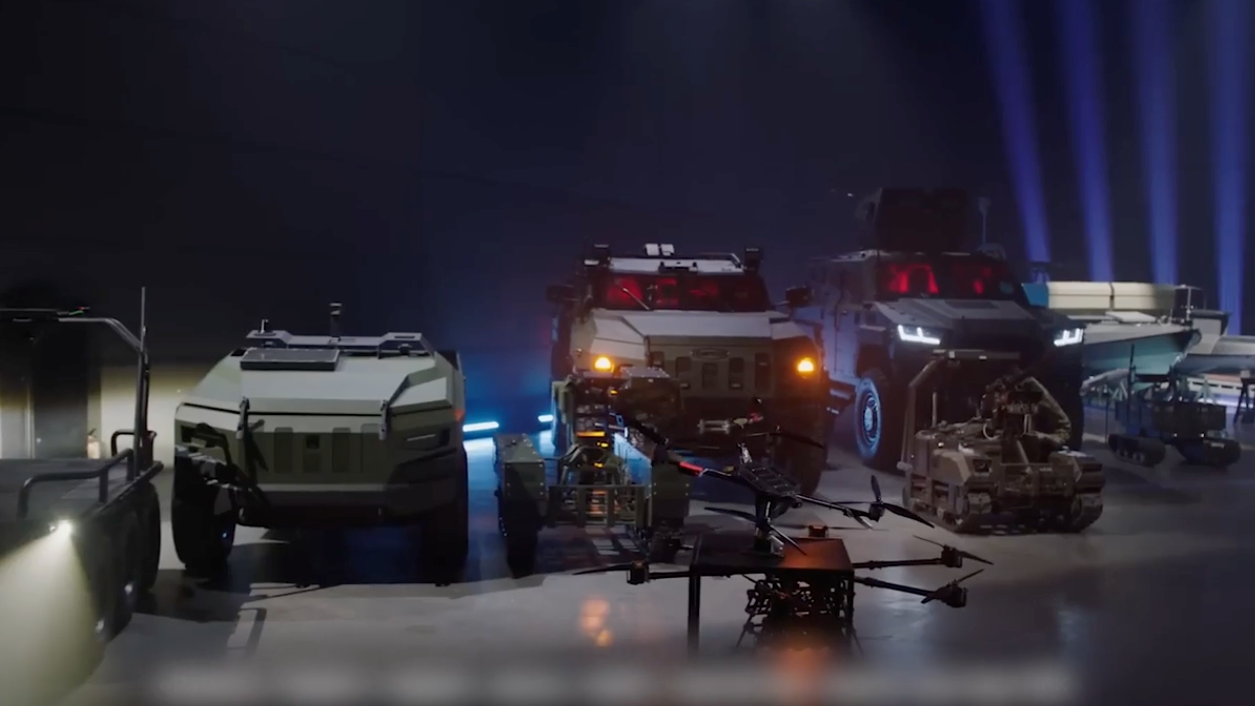
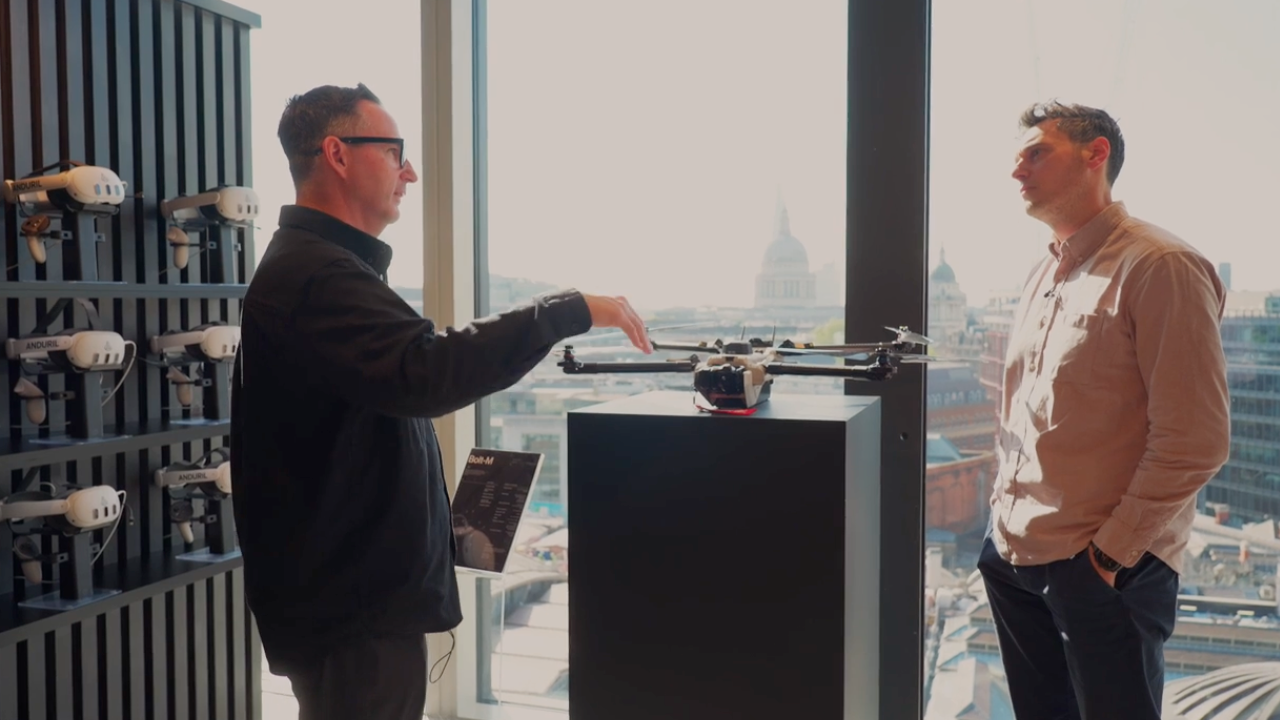
The battlefield in Ukraine could soon see more robot soldiers than human ones, according to a claim made by a Ukrainian-British military start-up. This company, UFORCE, has been working on developing advanced robotic systems that are now being deployed in combat operations. During a visit to its London premises, which are unbranded and discreet, the company emphasized that this approach is meant to protect it from potential Russian sabotage.
Ukraine's President Zelensky recently highlighted an unprecedented military operation where enemy territory was seized using only robots and drones. While the details of this operation remain unclear, the company has confirmed that its air, land, and sea drones are currently being used in combat.
"I can't go into specifics about the operation or how UFORCE was involved, but we've conducted more than 150,000 successful combat missions since the full-scale Russian invasion in 2022," said Rhiannon Padley, the firm's UK director of strategic partnerships.
The Growing Market for Robotic Weapon Systems
Robotic weapon systems are becoming a significant part of the global defense industry. UFORCE has experienced rapid growth and recently achieved "unicorn" status, with a valuation of over $1 billion. This success highlights the increasing importance of robotics in modern warfare.
The use of unmanned aerial and land systems has become widespread throughout the conflict. Analysts believe that the war has accelerated the development of military technology and sparked intense debates about the future of warfare and its implications for both soldiers and robots.
The Future of Warfare: Robots Fighting Robots
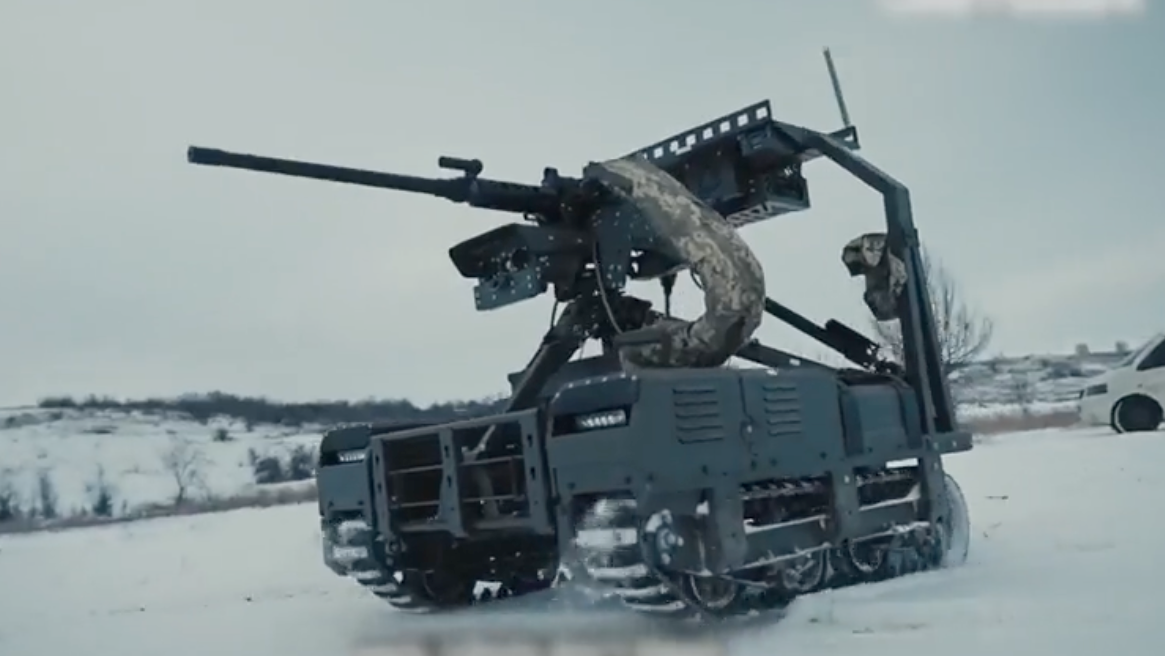
The phenomenon of robots fighting robots is expected to become more common. Unmanned systems may even outnumber human soldiers in the future. Russia is also deploying robots designed to deliver explosives into Ukrainian positions. Analysts suggest that these technological advances will likely reshape how future wars are fought.
Melanie Sisson, a senior fellow at the Brookings Institution, stated, "I really consider Ukraine to be a major teacher in the future of national defense and armaments. It's an impressive case study in how necessity drives invention."
UFORCE is part of a growing group of so-called Neo-Prime defense companies, challenging established firms such as BAE Systems, Boeing, and Lockheed Martin. Another example is Anduril, a US defense technology company that recently conducted its first test flight of a fighter jet without a pilot.
Incorporating Artificial Intelligence in Military Technology
While most drones are still operated remotely by humans, companies like Anduril are increasingly incorporating artificial intelligence into weapons systems. UFORCE's land-based drones use software designed to assist with targeting, while Anduril claims some of its systems can autonomously complete the final phase of an attack.
The US government has urged its military to adopt artificial intelligence aggressively. In January, US Defence Secretary Pete Hegseth stated that the country needs to become an "AI-first warfighting force." Similarly, China is increasing its use of AI-enabled military systems, according to a US Department of Defense assessment published last year.
Ethical Concerns and Human Oversight
Analysts warn that greater autonomy in weapons systems raises serious concerns about accountability. Patrick Wilcken of Amnesty International said, "Militaries adopt AI to speed up processes such as target identification. But delegating life-and-death decisions to machines poses profound ethical and human rights risks."
Weapons manufacturers argue that keeping a "human in the loop" addresses these concerns. They insist that decisions to deploy force remain with military personnel. Dr. Rich Drake, UK general manager at Anduril Industries, said, "Humans need rest and food, and under combat conditions those needs aren't always met. Computing allows us to reduce errors across what we call the kill chain."

The Broader Implications of AI in Warfare
As the role of artificial intelligence in warfare continues to evolve, the debate over its ethical implications remains ongoing. The integration of AI into military systems offers potential benefits, such as increased efficiency and reduced human error, but also raises critical questions about accountability and the moral responsibilities of autonomous weapons.
The future of warfare may well be defined by the increasing presence of robots on the battlefield. As nations continue to invest in AI and robotics, the line between human and machine in combat may become increasingly blurred.
Komentar (0)