Russia's Drones Crash in Latvia, Sparking Oil Depot Fire, Army Confirms
Drone Incidents in Latvian Airspace Raise Concerns
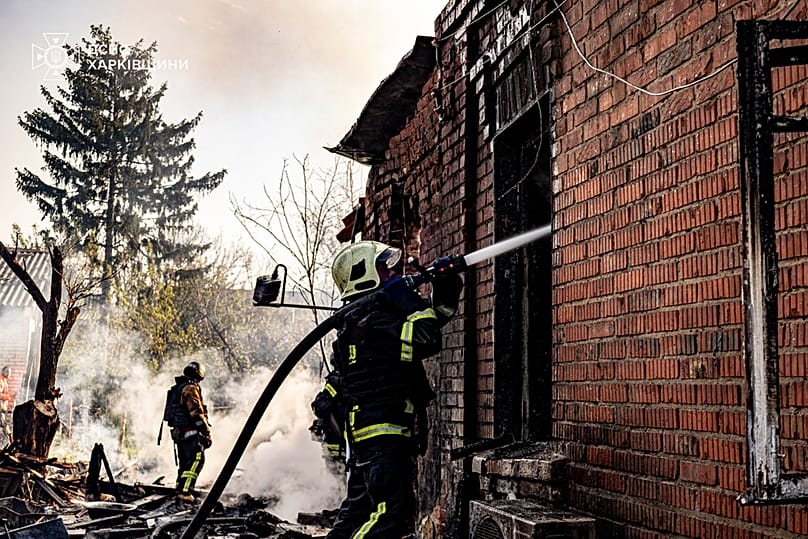
Several drones entered Latvian airspace from Russia overnight, according to the country's military. Two of the drones crashed, while one caused a brief fire at an oil depot. The incident occurred in the eastern part of the country, near Rezekne, where a fire broke out at an oil storage site. However, firefighters quickly brought the fire under control.
The Latvian army stated that these events could be repeated as long as Russian aggression against Ukraine continues. They emphasized the possibility of foreign unmanned aircraft entering or approaching Latvian airspace. Despite the incidents, it remains unclear where the drones originated from.
In March, similar drone attacks were reported in Latvia and neighboring Estonia. One of the drones struck the chimney of the Auvere power plant in Estonia, according to the country's internal security agency. Another drone fell on Latvian territory. These incidents have been attributed to Russia’s ongoing war of aggression, with concerns raised about their potential recurrence.
Europe on High Alert
Europe is currently on high alert following a significant increase in drone flyovers into NATO airspace. In September, such incidents reached an unprecedented scale, prompting European leaders to agree on the development of a "drone wall" along their borders. This initiative aims to enhance the detection, tracking, and interception of unauthorized drones entering European airspace.
In November, NATO military officials announced the deployment of a new US anti-drone system to the alliance’s eastern flank. This move is part of broader efforts to strengthen defenses against potential threats. Following a violation of Polish airspace, NATO Secretary General Mark Rutte announced the formation of the Eastern Sentry programme. This initiative is designed to deter further Russian incursions and improve the alliance’s response capabilities.
Questions About NATO's Preparedness
Some European officials have suggested that these incidents may represent Moscow testing NATO’s response. This has led to questions about how prepared the alliance is to counter potential threats from Russia. The Kremlin has dismissed allegations linking Russia to some of the unidentified drone flights in Europe as "unfounded."
Despite these claims, the frequency of drone-related incidents has raised concerns among NATO members. The alliance continues to evaluate its strategies for addressing the growing threat posed by unmanned aerial vehicles. The situation underscores the need for improved coordination and technological advancements to safeguard European airspace.
Ongoing Threats and Responses
The recent drone incidents in Latvia and Estonia highlight the evolving nature of modern warfare. As technology advances, so too do the methods used by aggressors to challenge national security. NATO and its member states are working to adapt to these changes, but the challenge remains significant.
The development of a comprehensive drone defense system is essential in ensuring the safety of European airspace. This includes not only technological solutions but also enhanced intelligence sharing and cooperation between nations. The ability to detect and respond to drone threats in real-time will be crucial in preventing future incidents.
As tensions continue to rise, the international community must remain vigilant. The actions of one nation can have far-reaching consequences, and the need for collective security measures has never been more pressing. The lessons learned from recent events will shape the strategies and policies of NATO and its allies in the years to come.