Ukrainian Pilots Trained to Fly F-16s Without GPS – Report
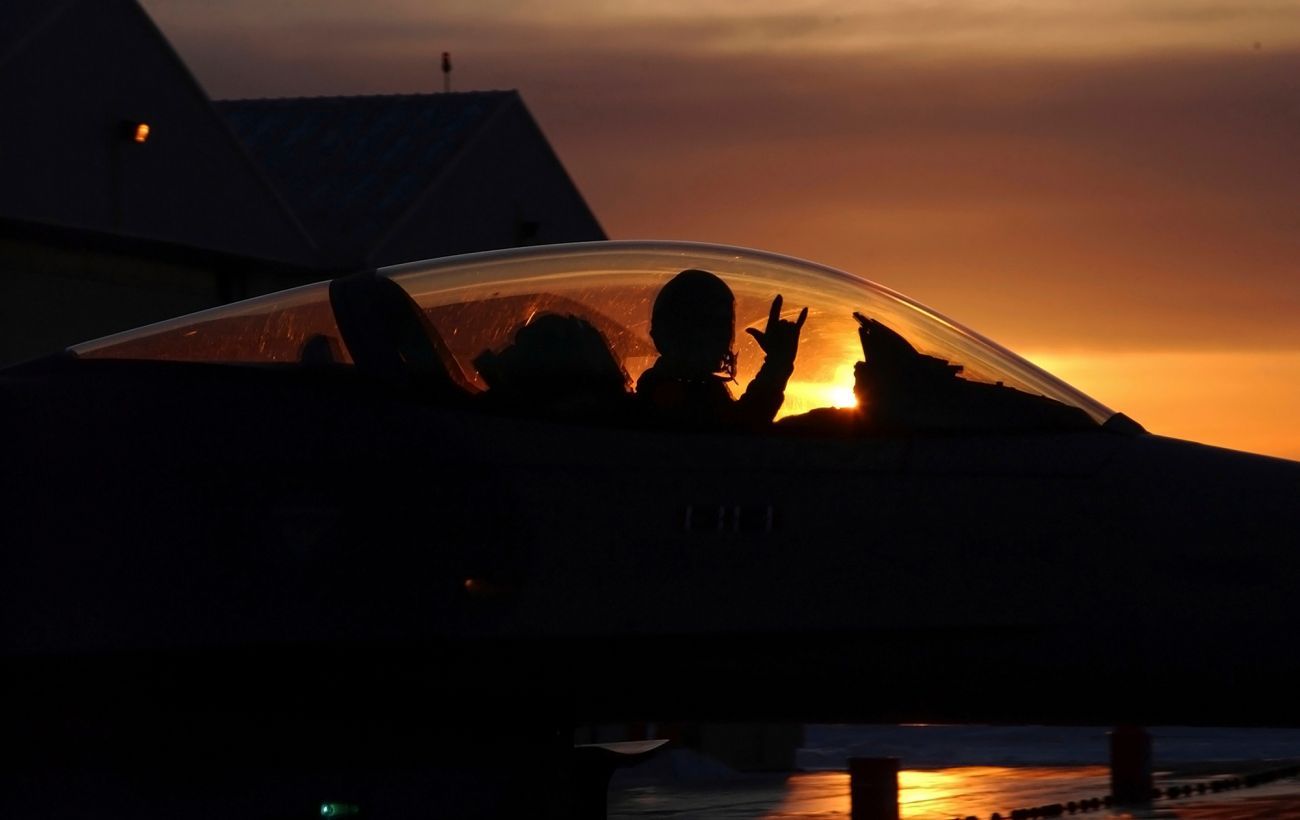
The Importance of Low-Altitude Flying Without GPS
In the current environment, the ability to conduct low-altitude flights without relying on GPS has become a crucial skill for Ukrainian pilots. This capability is being actively developed as part of their training, especially in response to the challenges posed by electronic warfare. Pilots are learning to navigate and operate effectively even when stable GPS signals are unavailable.
Training from the Start
Ukrainian pilots begin their training with an emphasis on operating without full reliance on GPS. This approach has become necessary due to the active suppression of navigation signals on the battlefield. Even during basic flight training in the United Kingdom, cadets are exposed to scenarios where navigation systems fail. This early exposure helps them build the skills needed to handle real-world conditions.
One pilot highlighted that the ability to fly at low altitudes without GPS is a critically important skill. Unlike Western pilots, who may view this as a backup option, for Ukrainians, it is a daily reality.
Navigating Through Electronic Warfare
The increasing use of electronic warfare has led to the development of new strategies for navigation. Pilots are now taught to use natural landmarks such as rivers, terrain features, and other geographical elements. This method becomes essential in environments where signal jamming affects navigation, communication, and weapons guidance.
The dominance of electronic warfare is also driving innovation in military technology. New solutions, including jam-resistant drones, are being developed. Additionally, tactics for both air and ground forces are evolving to adapt to these changing conditions.
Transitioning to F-16 Jets
More than 50 Ukrainian pilots have already completed basic training in the United Kingdom and will continue their jet training in other countries. These pilots will eventually transition to American F-16 Fighting Falcon jets, which Ukraine began receiving in 2024.
Instructors have noted significant progress among the cadets, from their initial flights to performing complex low-altitude maneuvers and simulated combat missions. According to another pilot, the skills they gain increase their confidence before facing real missions.
Enhancing Training with Simulators
Ukraine has improved its pilot training by acquiring mobile F-16 simulators. These systems allow for faster development of piloting skills and tactical actions. The use of such technology helps reduce training time and enhances overall effectiveness. This directly impacts Ukraine's ability to counter missile attacks and strengthen its air defense system.
Challenges in Aircraft Deliveries
Despite these advancements, there have been delays in the delivery of F-16 aircraft. Belgium and Norway have postponed the delivery of 36 F-16s, which represents a significant portion of the total number pledged to Kyiv. These delays affect the timeline for strengthening Ukraine’s aviation capabilities.
Conclusion
As Ukrainian pilots continue to develop their skills in navigating without GPS, they are adapting to the realities of modern warfare. The integration of new technologies and training methods is helping to build a more resilient and capable air force. While challenges remain, the commitment to improving pilot training ensures that Ukraine can better defend its skies against ongoing threats.
