AI App Detects Drunk Drivers via Cantonese Speech Analysis
Hong Kong Metropolitan University Develops AI App for Real-Time Alcohol Intoxication Assessment
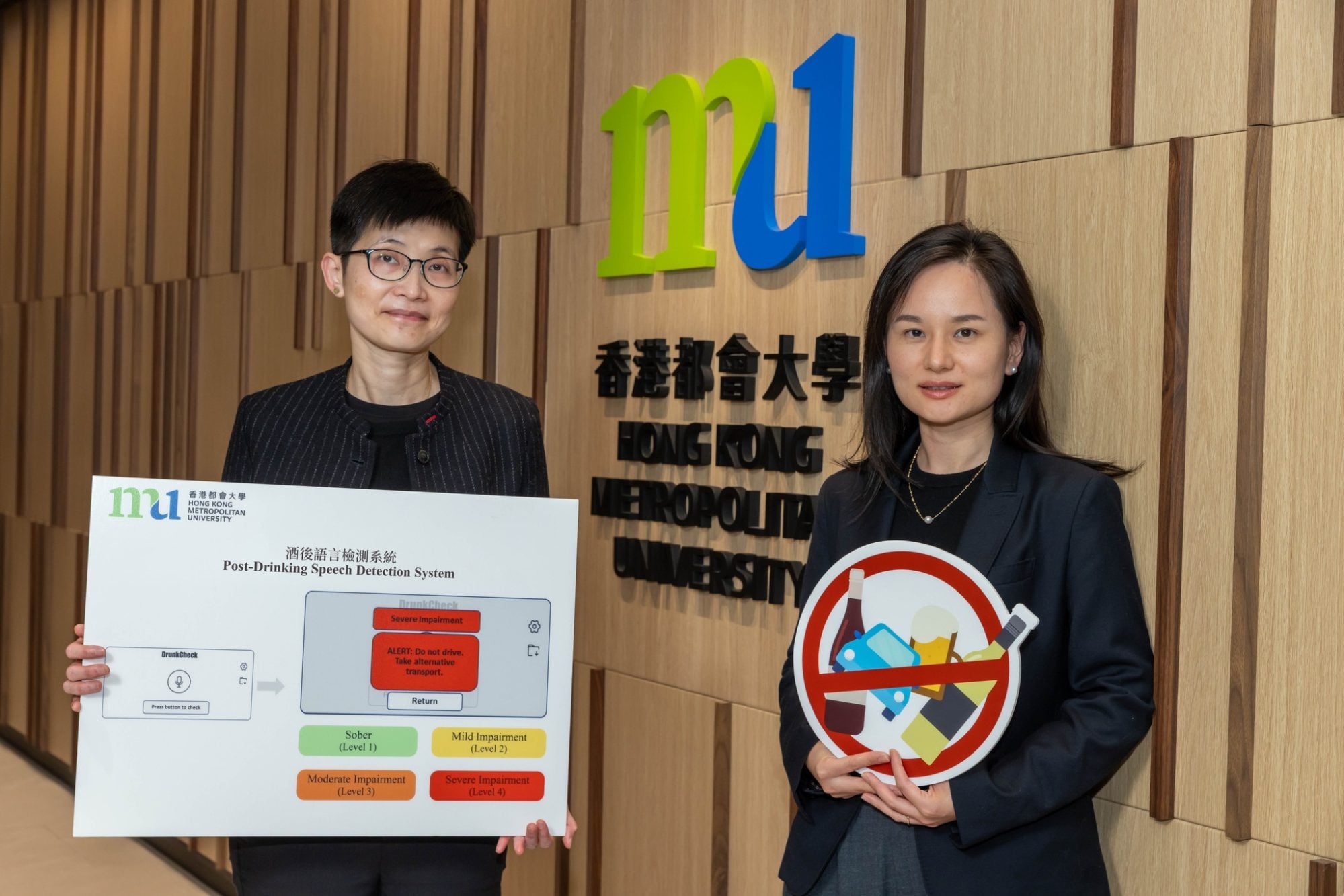
Researchers at Hong Kong Metropolitan University (HKMU) are working on a groundbreaking project that could change the way people assess their fitness to drive after drinking. The team is developing what they claim will be the world's first AI application capable of detecting intoxication through real-time analysis of Cantonese speech. This innovative tool aims to help users determine whether they are fit to drive, thereby enhancing road safety.
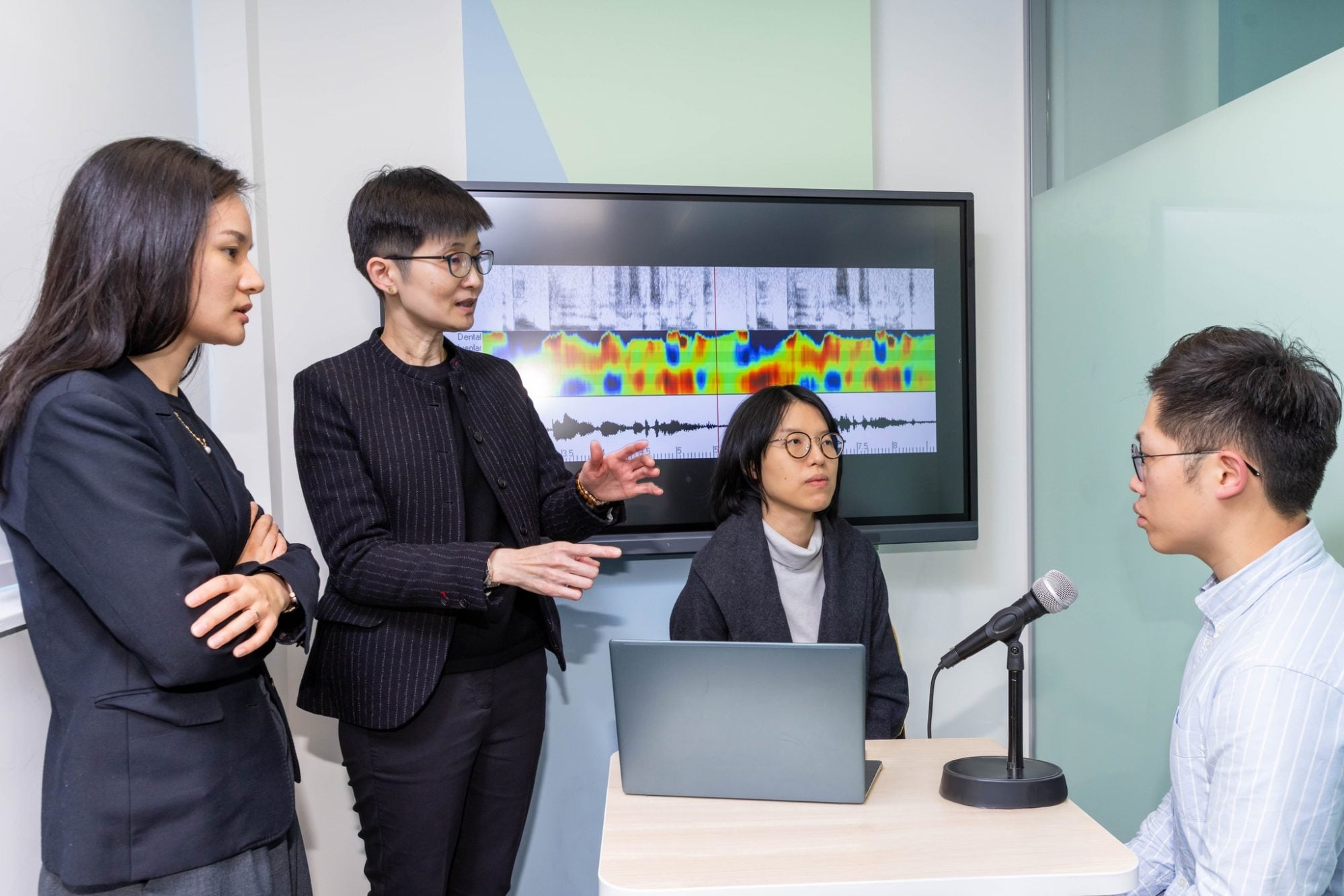
The project, supported by a HK$3.4 million (US$434,251) grant from the Smart Traffic Fund, involves collecting over 1,000 minutes of Cantonese speech samples from approximately 100 participants aged 18 to 60. These samples will form a comprehensive database of post-drinking speech, which will be used to train a multimodal artificial intelligence (AI) language model.
This AI model will analyze various aspects of speech, including speech rate, intonation stability, speech pauses, and deviations in grammatical structure. By comparing participants' performance before and after alcohol consumption, the researchers aim to understand how drinking affects cognitive and linguistic abilities.
Participants in the study must undergo a health assessment by a doctor, and a nurse will monitor their alcohol consumption to ensure it remains within Hong Kong’s legal limit for drink-driving. The findings from this research will be used to develop a mobile application that allows users to assess and monitor the effects of alcohol in real time, helping them decide if they are fit to drive.
The project also involves collaboration with researchers from City University of Hong Kong, Southwest University of Political Science and Law, and Guangzhou Overseas Chinese Hospital. This multidisciplinary approach ensures a broad perspective on the challenges and solutions related to alcohol-related impairments.
Previous studies on European languages have shown that alcohol consumption can affect how the brain processes language, leading to issues such as logical errors, abnormal speech rate, pauses, and unstable intonation. However, there is a lack of research on the effects of alcohol on Chinese languages.
Peppina Lee Po-lun, associate dean of the university's school of education and languages and the team's principal investigator, shared preliminary findings indicating significant differences in participants' pronunciation, speech rate, and word choice after alcohol consumption. She emphasized that the system being developed is a real-time self-monitoring tool intended to supplement existing alcohol detection methods, such as breath or laboratory tests, rather than replace them.
The team plans to collaborate with the Hong Kong and China Gas Company, also known as Towngas, to test the system and evaluate its use in routine pre-drive safety assessments. This partnership aims to improve the utility provider's fleet management efficiency.
According to authorities, one standard drink contains 10g of alcohol and is equivalent to 250ml of beer, 100ml of table wine, or 30ml of whisky. Consuming two standard drinks can raise a person's breath alcohol concentration to near the legal limit. The crash risk for drivers after two standard drinks is twice that of someone who drives sober.