Rise of Chinese Humanoid Robots in Japan's Aviation Sector
In a significant shift, Chinese-made humanoid robots are being introduced into Japan's aviation industry, particularly at Tokyo's Haneda Airport. This move comes as Japan faces a critical labor shortage, exacerbated by a declining working-age population and increased demand from inbound tourism. The deployment of these robots marks a new chapter in the integration of advanced robotics technology in Japanese airports.
Japan Airlines has partnered with GMO AI & Robotics to launch a two-year trial using humanoid robots for ground-handling operations at Haneda Airport. This initiative is set to begin this month and continue through 2028. The tasks involved will include aircraft towing, baggage and cargo loading and unloading, as well as cabin cleaning. This experiment represents Japan's first use of humanoid robots in airport operations, highlighting the potential for such technology to address labor challenges.
The trial will utilize two models from Chinese firms: Unitree's G1 and UBTech's Walker E. Unitree's G1 stands about 1.3 metres tall and weighs roughly 35kg, designed with agile movement capabilities suitable for industrial operations and logistics handling. On the other hand, UBTech's Walker E is a taller model, standing 1.72 metres tall and weighing 73kg. These robots are expected to play a crucial role in reducing the workload on human employees while improving operational efficiency.
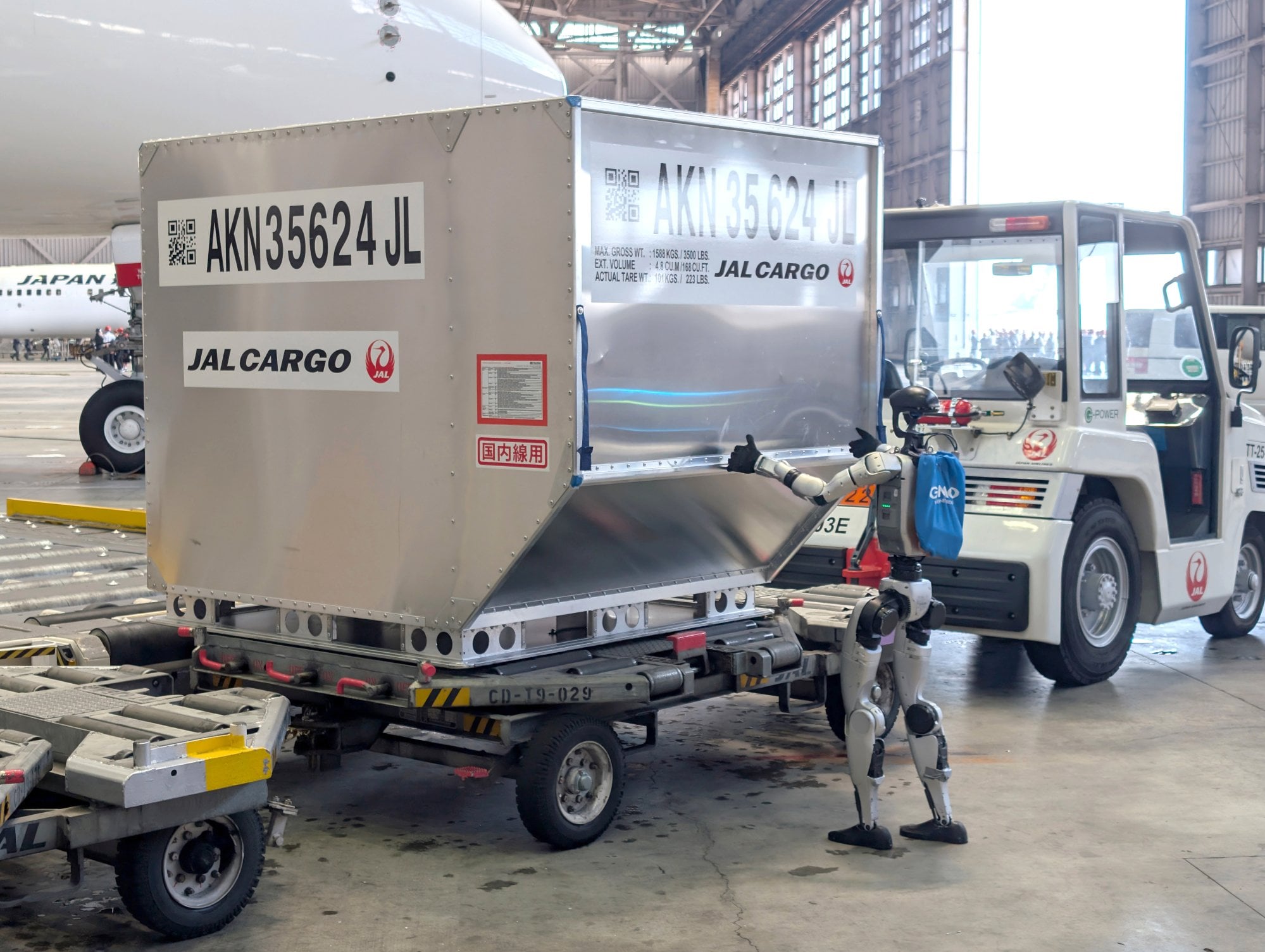
This development reflects a broader trend where more Japanese companies are turning to Chinese-made robots to address their labor shortages. For instance, Tokyo-based AI start-up Zeals launched a trial in March using Unitree's G1 robot at University of Tsukuba Hospital in Ibaraki prefecture. According to a Nikkei Asia report, the robot was used to guide patients to locations including the hospital's blood lab. This application showcases the versatility of these robots beyond traditional industrial settings.
Additionally, UBTech recently struck a deal with Honda's China trading subsidiary to explore the use of its humanoid robots in industrial manufacturing, logistics, and warehousing. This collaboration underscores the growing interest in leveraging Chinese robotics technology across various sectors.
China has emerged as a dominant force in the global humanoid robotics market. According to consultancy Counterpoint Research, China accounted for four out of every five humanoid robot installations worldwide last year. In 2025, around 16,000 humanoid robots were installed globally across sectors including research, logistics, and manufacturing.
The attention on Chinese humanoid robots has extended beyond Japan. Recently, a Bebop robot, reportedly a modified Unitree G1, caused disruption on a Southwest Airlines flight from Oakland to San Diego in California. The rental company Elite Event Robotics purchased a seat for the robot, leading to over an hour of security checks before it was cleared to fly.
As the adoption of humanoid robots continues to grow, their impact on various industries is becoming increasingly evident. From healthcare to aviation, these robots are proving to be valuable assets in addressing labor shortages and enhancing operational efficiency. The collaboration between Japanese companies and Chinese robotics firms is likely to expand further, paving the way for more innovative solutions in the future.
Komentar (0)