Elder Gods' Enigma – A Lovecraftian Puzzle
A New Chapter in the Lovecraftian World
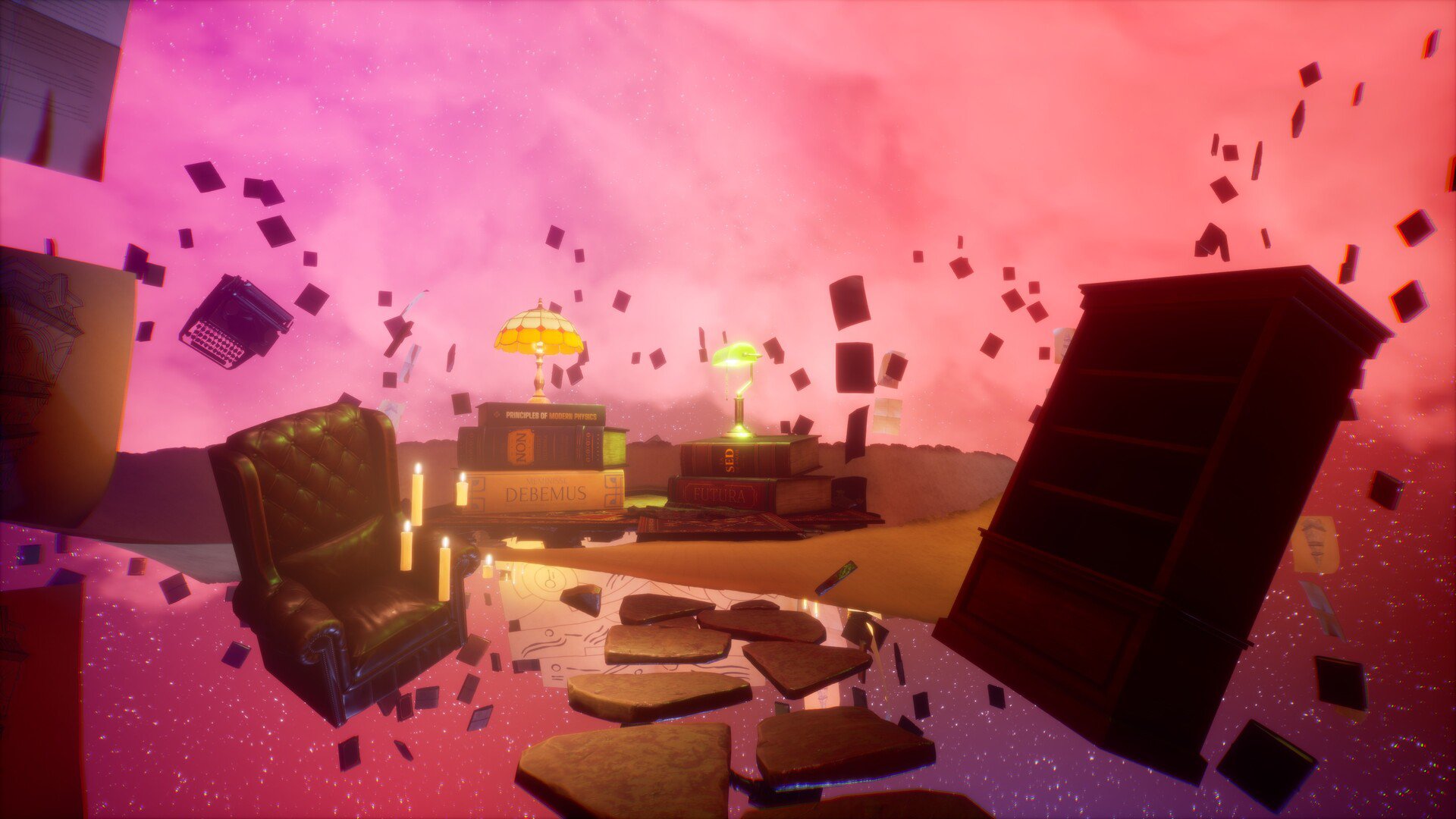
Call Of The Elder Gods is a point-and-click adventure game that serves as a sequel to the acclaimed 2020 title, Call Of The Sea. This indie gem has quickly become one of the standout games of the month, especially for those who appreciate its old-school puzzle mechanics and rich narrative depth.
The game carves out a unique space in the gaming landscape, which is no small achievement given the sheer number of titles released each year. Its distinctiveness comes from its deep connection to the Lovecraftian mythos, a genre that has seen very few entries. In fact, it's the only direct sequel to Call Of The Sea, making it a special addition to the world of narrative-driven puzzle adventures.
In the first game, players were introduced to Norah, a character brought to life by the talented Cissy Jones. She was a woman grappling with an enigmatic illness and searching for her missing husband, Harry, on a remote Polynesian island set in the 1930s. The sequel continues this story, but with a twist. Norah is now technically dead—or perhaps transformed into a fish person—depending on the ending of the first game. Regardless, she takes on the role of narrator, observing the two protagonists as they navigate through another intriguing mystery.
The new protagonist is Evangeline Drayton, a student at Miskatonic University in the 1950s. Her journey begins when she tries to uncover why she lost three months of her memory. Her search leads her to Harry Everhart, a grumpy professor living alone in a vast, drafty Gothic mansion. As the story unfolds, both characters delve into the mysteries of the Elder Gods, uncovering secrets about the Yith race, the Earth's history, and even Evangeline's own past.
Inspired by the Works of H.P. Lovecraft
Like its predecessor, Call Of The Elder Gods draws heavily from the works of H.P. Lovecraft, the 1920s sci-fi author known for creating iconic figures like Cthulhu. The game's plot is based on Lovecraft's book, The Shadow Out of Time, which adds a layer of authenticity and depth to the narrative.
The game's storytelling is complemented by its immersive puzzles, which require patience and attention to detail. These challenges are not just obstacles but integral parts of the experience, designed to engage players and encourage them to think critically.
For those interested in more in-depth analysis of the game and other titles, there are resources available. Subscribers can receive exclusive insights, updates on the latest releases, and community content through the GameCentral newsletter. This service offers a unique perspective on the gaming world, delivered every Saturday morning.
Additionally, readers can stay connected by following the team on social media, commenting on articles, and submitting their own letters or features through the designated submission page. For more stories similar to this, the Gaming page offers a wealth of content.
Engaging with the Community
The game has sparked conversations among fans, leading to a vibrant community of players sharing their experiences and insights. Readers are encouraged to participate in these discussions, adding their voices to the ongoing dialogue about the game and its place in the broader gaming landscape.
Whether you're a long-time fan of the Lovecraftian genre or simply looking for a challenging and engaging adventure, Call Of The Elder Gods offers a compelling experience. Its blend of narrative depth, puzzle-solving, and atmospheric storytelling makes it a must-play for anyone interested in the genre.
