Seniors Lead AI Revolution as Learning Hubs Grow Nationwide
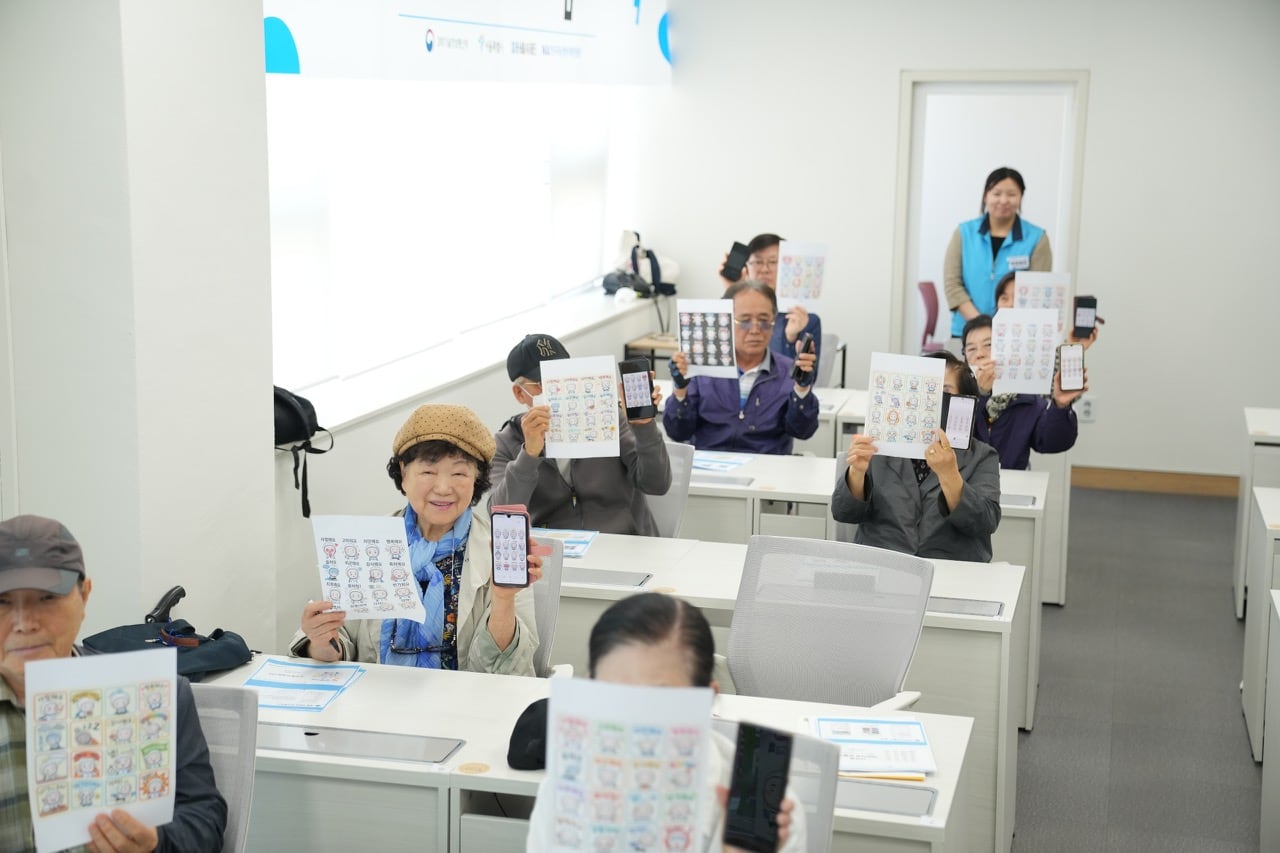
The Rise of AI Education Among Seniors
Student Hwang Taehwan, 69 years old, shared his experience, saying, “I enrolled to communicate and keep up with my six- and eight-year-old granddaughters.” He added, “I’m learning to use Gemini and ChatGPT, and my goal is to eventually create YouTube Shorts.” Another participant, Hwang Injik, 84 years old, expressed gratitude, stating, “I keep forgetting things, but I’m thankful they repeat the lessons.” He also mentioned, “I wish the course period were longer. It’s been a great help in my life.” Instructor Cha Seonghye noted, “Some students have even created AI music using Gemini to generate revenue.” She added, “Seniors are highly interested in AI, and as interfaces become more conversational and accessible, their lives are becoming richer.”
Customized Education Starting at the ‘AI Consultation Zone’
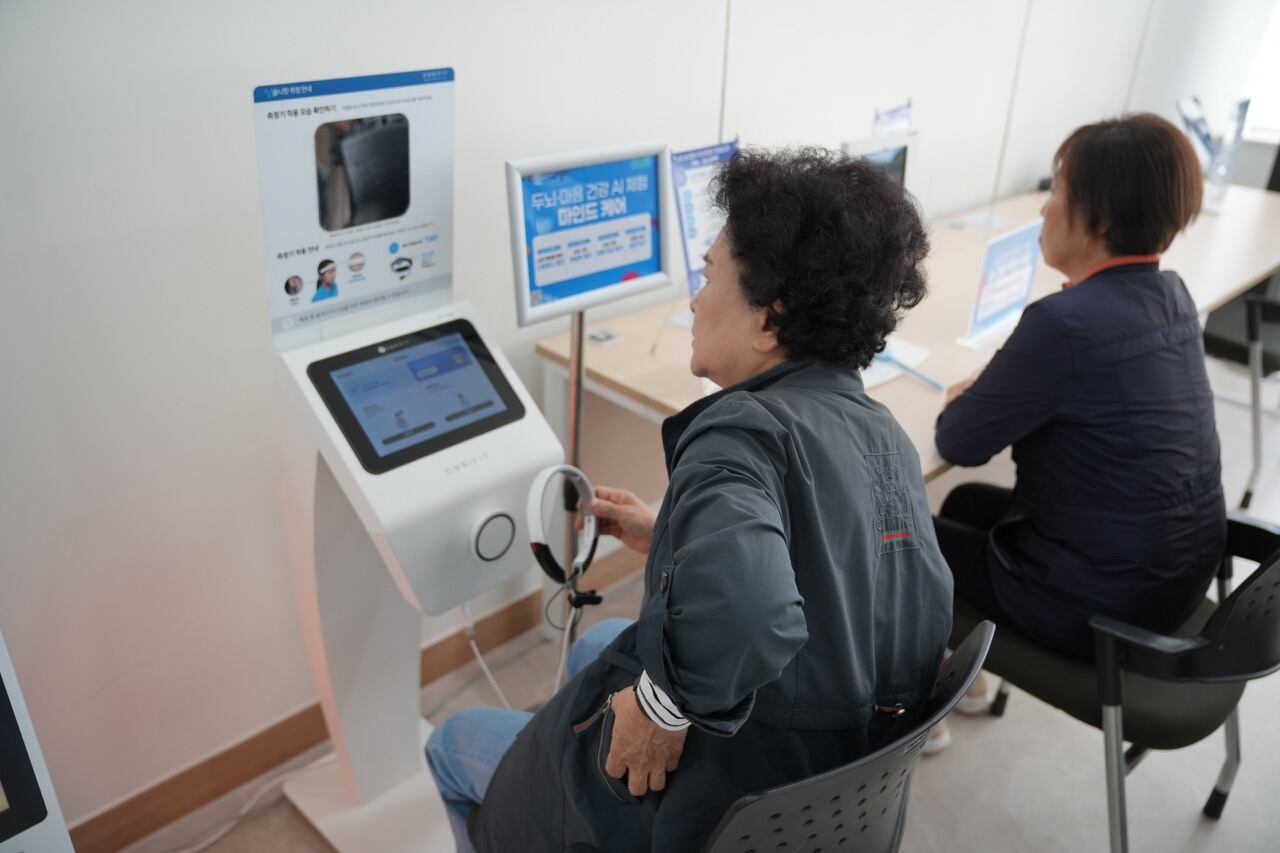
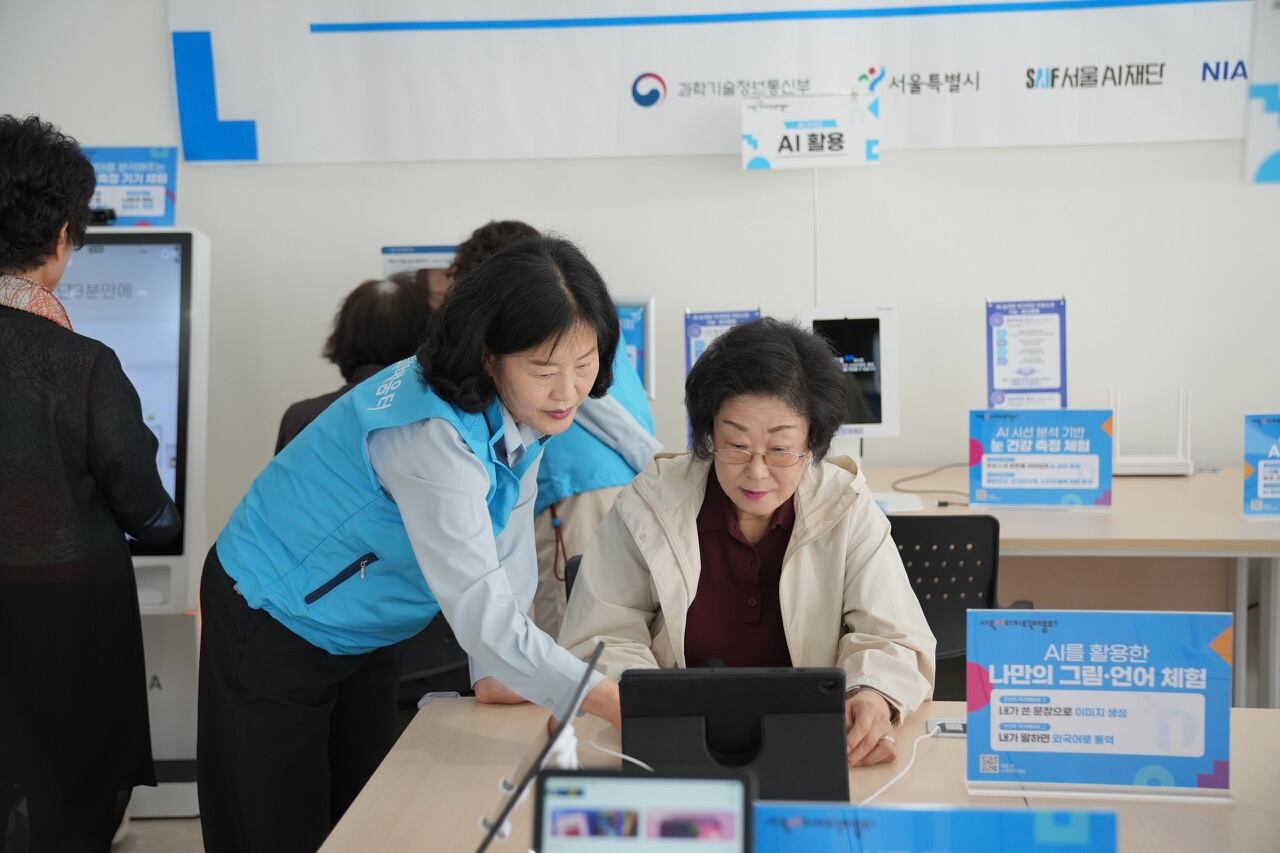
The 4th floor of Geumddalrae Welfare Center, which relocated last month from the 3rd floor Digital Learning Center, has been renovated into the ‘AI Digital Learning Center.’ Its most notable feature is the ‘AI Consultation Zone’ at the entrance. When seniors enter, they first receive counseling on what they want to learn and what kind of help they need, then are guided to a program suited to them. The center offers AI healthcare using smart bikes and health-check devices, education on identifying voice phishing and deepfakes, synthetic photo experiences, and even kiosk practice—all in one location.
Expansion of AI Digital Learning Centers
The Ministry of Science and ICT announced on the 7th that it will expand the operation of ‘AI Digital Learning Center’ hubs from the existing 37 locations to 69 this year. The 32 new locations will be established in public access points such as libraries, post offices, and Community Service Centers. For digitally vulnerable groups who find it difficult to visit hubs, the ‘outreach education’ program will increase from 4,200 locations last year to over 6,000 this year. Educational regions, previously organized by city, county, and district, will be refined down to township and neighborhood units. The curriculum will also change: AI-related programs, which made up 10% of total education last year, will increase to up to 50% this year. In urban areas, the focus will be on data analysis and work automation training for youth and office workers, while underprivileged areas will emphasize basic AI competency education. New hub centers will also be equipped with advanced devices, including AI robots and AI-based creative solutions from domestic companies that have won innovation awards at the global Consumer Electronics Show (CES).
Senior Centers Becoming ‘Digital Welfare Hubs’
At 2 p.m. the same day at Gwanak Dream Senior Center in Gwanak-gu, Seoul, about 30 seniors gathered to follow along with an on-screen instructor’s movements for exercise. The screen displayed not only the instructor but also seniors from other senior centers. This center, recognized as a model case since starting its smart senior center project in 2022, uses video conferencing infrastructure to offer diverse programs such as exercise, health lectures, and leisure activities. Hong Joon-ui, 82, the center’s president, is so passionate that he obtained an ‘AI Consultant’ certification to teach other seniors how to use the technology. Hong said, “More people are participating in online classes,” adding, “Trying out kiosks in person is the most popular. It motivates everyone to work hard.”
The smart senior center project was initiated in 2021 by the Ministry of Science and ICT following the suspension of senior center operations due to COVID-19. By installing video conferencing infrastructure and healthcare devices at senior centers—key venues for elderly leisure and welfare—the project connects multiple senior centers and welfare facilities bidirectionally to jointly provide education, leisure, and health management programs. This year, the Ministry plans to expand the number of smart senior centers by adding 1,020 locations, bringing the total nationwide to 6,397. To assist seniors with mobility issues who find hospital visits difficult, the Ministry will collaborate with local health centers to offer medical consultations and prescription services within senior centers. Lee Do-gyu, Director of the Ministry’s Information and Communications Policy Office, stated, “AI should not be the exclusive domain of experts but a tool that benefits everyone, including marginalized groups like the elderly, in their daily lives,” adding, “We will spare no support to leap forward as a leading nation in warm digital inclusion.”
월 5900원 멤버십, 신문 독자에게는 2900원, 조선멤버십
55000원 상당의 신문-잡지 8종 마음껏 보기, 조선멤버십
현금처럼 쓸 7000포인트 받아 알뜰한 쇼핑, 조선멤버십
