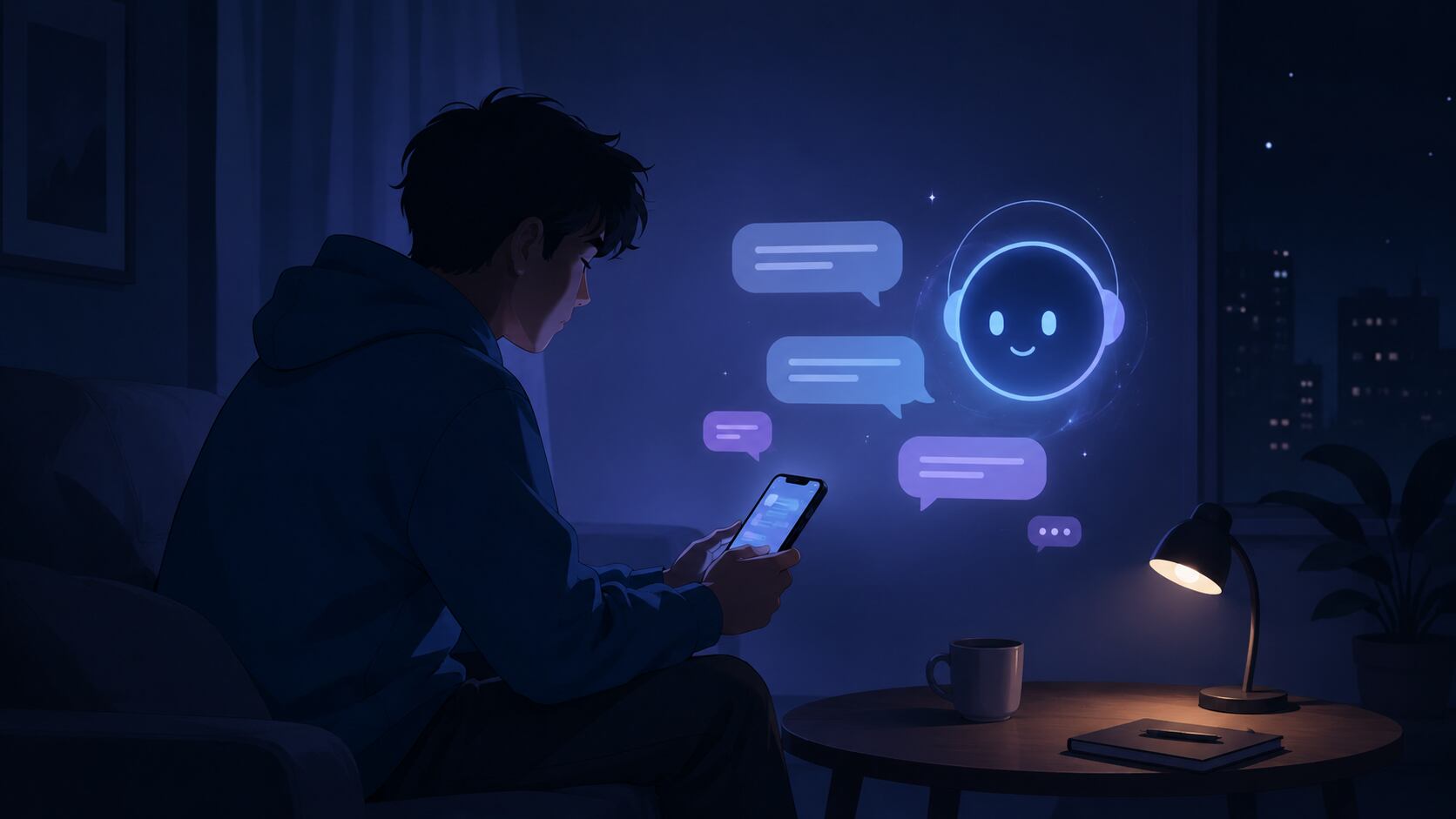
The Rise of AI Chatbots as Emotional Companions
In an era where technology is deeply embedded in daily life, many individuals are turning to artificial intelligence (AI) chatbots for emotional support and companionship. These digital entities offer a unique form of interaction—available at any time, without judgment or impatience. However, a growing body of research suggests that this reliance on AI may have unintended consequences, particularly when it comes to emotional well-being.
A recent study conducted by a team from the University of British Columbia explored how AI chatbots are being used as "24-hour conversation partners" and what impact this has on feelings of loneliness. The research involved tracking 2,149 adults across the UK, US, Canada, and Australia over a 12-month period. Participants were surveyed four times, each spaced four months apart, to assess their use of AI chatbots for social purposes such as seeking advice, sharing daily routines, or engaging in casual conversations.
The findings revealed that a significant portion of participants—between 26% and 30%—used AI chatbots for social interactions. While most reported using them occasionally, a small percentage engaged with chatbots on a daily basis. Notably, those who felt emotionally isolated were more likely to increase their chatbot usage over time.
The Paradox of Connection
As the study progressed, researchers observed an interesting pattern: individuals who increased their use of AI chatbots later reported higher levels of emotional isolation. This suggested a potential link between prolonged AI interaction and heightened feelings of loneliness. However, the study did not establish a direct causal relationship, highlighting the need for further research.
One of the key factors identified was the "effortless nature" of AI relationships. Unlike human connections, which require effort, time, and mutual engagement, AI chatbots are always available and can tailor responses to individual preferences. While this convenience is appealing, it may come at a cost. Human relationships thrive on reciprocity and shared experiences, whereas AI, despite its ability to mimic empathy, lacks genuine emotional depth.
To further explore this phenomenon, another study involving 296 university freshmen examined the effects of different forms of communication. Participants were divided into three groups: one exchanged daily texts with a stranger, another conversed with an empathetic AI friend, and a third wrote daily journal entries. After two weeks, only the group that communicated with real people reported a reduction in loneliness. The effect of interacting with AI chatbots was similar to journaling, suggesting that while AI can provide comfort, it does not offer the same emotional benefits as human connection.
A New Generation’s Preferences
The trend of relying on AI for emotional support is becoming increasingly common. According to a survey by Reuters, nearly half of 3,800 Europeans aged 11 to 25 had discussed personal or emotional issues with AI chatbots. Moreover, 51% of respondents felt more comfortable sharing mental health concerns with AI than with parents or friends. This shift reflects a new generation that views AI as a more approachable confidant.
However, this comfort may come with risks. As people turn to AI for emotional support, there is a growing concern that human connections could be neglected. The research team emphasized that loneliness often drives individuals toward chatbots, but the longer this pattern continues, the more distant human relationships may become.
Balancing Technology and Humanity
While AI chatbots offer a convenient alternative to traditional social interactions, they cannot replace the emotional richness of human relationships. As technology continues to evolve, it is essential to strike a balance between leveraging its benefits and maintaining meaningful human connections.
For now, the message is clear: while AI can provide temporary relief, it is not a substitute for the deep, reciprocal bonds that define human relationships. As society moves forward, understanding the role of AI in emotional well-being will be crucial in ensuring that technology enhances, rather than diminishes, our sense of connection.
Komentar (0)