Why Is Camping Costing Over £900 a Week in the UK?
Rising Costs of UK Campsite Pitches Challenge the Perception of Affordable Outdoor Holidays
Sleeping in a tent is often seen as the ultimate budget-friendly holiday, offering access to nature without the high costs of hotels. However, recent trends show that campsite prices across the UK are increasing steadily, challenging this long-held belief.
At the Beech Estate Campsite in Battle, East Sussex, an 'off-grid pitch' for up to five guests in the first week of August costs £945. This includes a woodland area with no electricity, making it one of the pricier options for those seeking a more rustic experience. In Cornwall, the St Ives Bay Holiday Park charges £601 for a non-electric pitch for a family of four during peak season, with an additional £100 if you want to charge your phone. Adding fees for a dog (£28), fuel, and food can push the total cost beyond £1,000.
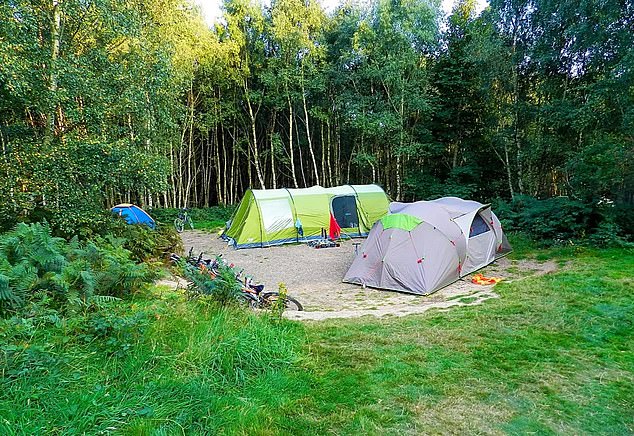
With the summer of 2023 expected to be the biggest staycation season since the pandemic, and with Middle East conflicts affecting fuel prices, campsites—especially in the South West—are capitalizing on increased demand by raising their rates. In Devon, the River Dart Country Park offers an 11m × 11m spot for £644 for a basic pitch and £700 with electricity included. Manor Wood Country Caravan Park in Chester is the most expensive site in the North West, with non-electric pitches at £406 and electric ones at £497. A pet fee of £21 is also added for those bringing their dogs along.
The UK’s most expensive tent pitches in August include:
- Beech Estate Campsite in Battle, East Sussex: Non-electric pitch for four in August: £945
- River Dart Country Park in Devon: Non-electric pitch for four in August: £644
- Hill Farm Camping in Braintree, Essex: Non-electric pitch for four in August: £644
- St Ives Bay Holiday Park in Cornwall: Non-electric pitch for four in August: £601
- Woolacombe Sands in Devon: Non-electric pitch for four in August: £567
On the other end of the spectrum, some of the cheapest options include:
- Cranford Oak Farm in Devon: Non-electric pitch for four in August: £84
- Aldridge Mill in Devon: Non-electric pitch for four in August: £90.02
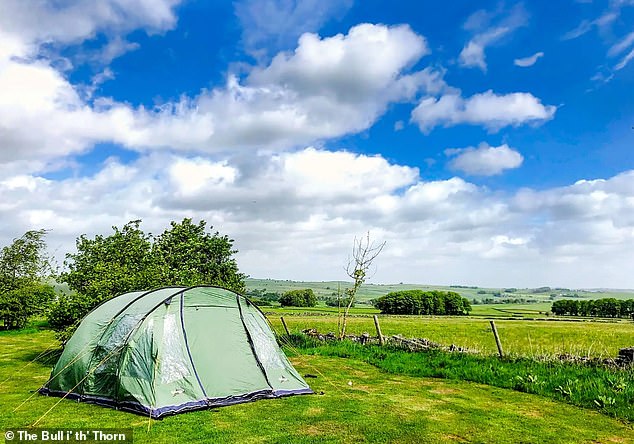
- The Bull i' th' Thorn, Derbyshire: Non-electric pitch for four in August: £100
- Monarch's Way Campsite in Dorset: Non-electric pitch for four in August: £105
- Farmer's View in Cambridgeshire: Non-electric pitch for four in August: £105
While these figures may seem steep, there are still affordable options available. For instance, a pitch at Cranford Oak Farm in Devon costs just £2.40 per person, per night for a family of five sharing—a total of £84 for the week. Though there are no showers, composting toilets are available.
The Changing Landscape of Camping
In recent years, the camping industry has evolved significantly. Many sites now offer fewer traditional pitches in favor of glamping spots, such as luxury shepherd’s huts and bell-tents. These high-end options provide more comfort but come at a premium. Additionally, the number of campers arriving in motorhomes has increased, with site owners allocating more land to these visitors due to higher revenue potential.
Gumtree reported a 133% increase in searches for campervans, motorhomes, and caravans since early 2026. Car campers, who use tents secured to the open boot of vehicles via elasticated hoods and straps, are also becoming more common.
Wild camping remains illegal in England and Wales, but with rising campsite costs, some outdoor enthusiasts are opting for free overnight stays in beauty spots. In Scotland, wild camping laws are more relaxed, provided campers follow the "leave no trace" principle and limit their stay to a few nights.
Tips for Keeping Camping Affordable
Sabina Voysey, Director General of The Camping and Caravanning Club, emphasizes that camping remains a great value option despite rising costs. She shared several tips for keeping camping holidays affordable:
- Look for deals online to compare site prices. Offers like free nights, club membership discounts, and family deals can help stretch your budget.
- Choose the right pitch based on your needs. Grass or grass with electric pitches are typically cheaper and can help reduce expenses.
- Book early or last minute. Early bookings can be cheaper in popular areas, while last-minute options may work if you’re flexible.
- Save on kit by purchasing pre-loved equipment from online resale platforms or charity shops.
- Optimize fuel usage by timing trips when roads are less busy, filling up before reaching motorway stations, and packing lighter to reduce fuel costs.
Despite increases in fuel prices, a 100-mile journey should cost less than £10 more today than it did in February. While the price hikes may sound daunting, they are unlikely to derail your holiday plans.
Budget Camping Buys
For those looking to save on essential camping gear, here are some affordable options:
- Pop Up Tent 2 Man – £43.99 (Was £54.99)
- Folding Camping Bed – £29.99 (Was £43.99)
- Sleeping Bag – £19.99 (Was £24.99)
- Camping cooking set – £14.99
- Camping Stove – £25 (Was £26.25)
- Rechargeable Head Torch – £12.99
- Deluxe Camping Chair – £29.99 (Was £49.99)
- Folding Camping Table – £25
- Waterproof Tent Cover – From £19.99
- Camping Lantern Set – £14
These items can help make your camping trip more comfortable without breaking the bank.
