Xiaomi SU7 2026 Review: Driving 'China's Tesla'
Introduction
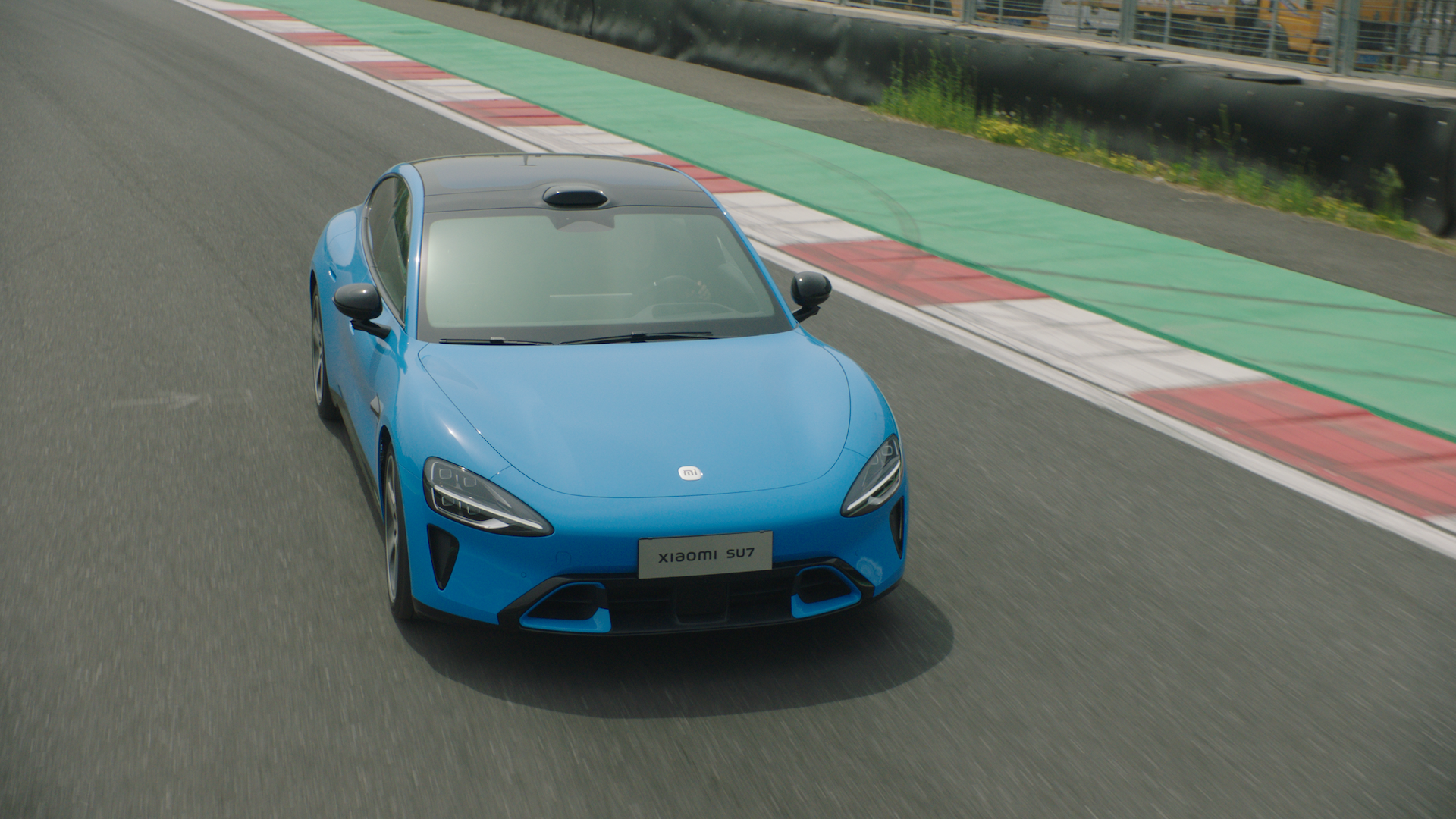
The Xiaomi SU7 has been making waves in the electric vehicle (EV) market, particularly in China. With a facelift and new trims, it's clear that this car is more than just a novelty. The SU7 comes in three main versions: the standard, the long-range Pro model, and the range-topping Max. There's also the Ultra, a production version of the one Xiaomi showcased on the Nürburgring. We had the opportunity to drive both the facelifted SU7 Max and the SU7 Ultra in China, and we're excited to share our initial impressions.
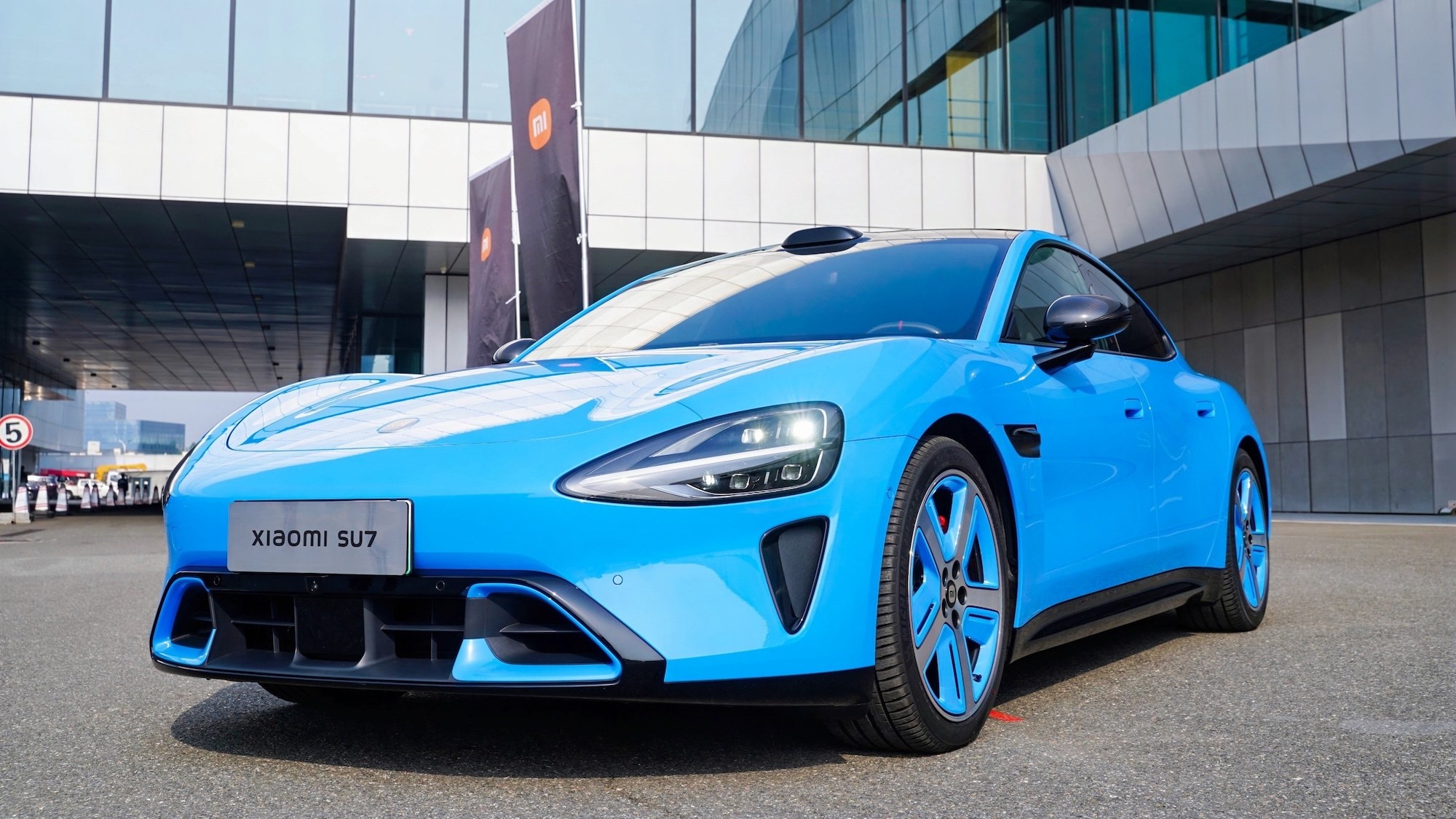
Should I Buy a Xiaomi SU7?
Currently, the SU7 isn't available in the UK, but there are plans for it to come to Europe. If it were available here, it would definitely be worth considering. Here are some key points to consider:
- Pros: Handsome styling, Chinese price, cutting-edge technology
- Cons: Invasive traction control, a bit too similar to the Taycan
What’s New?
The SU7 is the first EV from Xiaomi, and it's undergone its first proper facelift since its release in 2024. The result is an ever-so-slightly tweaked design, improved handling, and more technology as standard. The aim is to add a more premium feel and a greater emphasis on individualisation and craftsmanship.
The headlights and taillights remain the same as before, but you get more colour and wheel options. The biggest physical change is a new grille along with wider brake cooling ducts and neater radar integration.
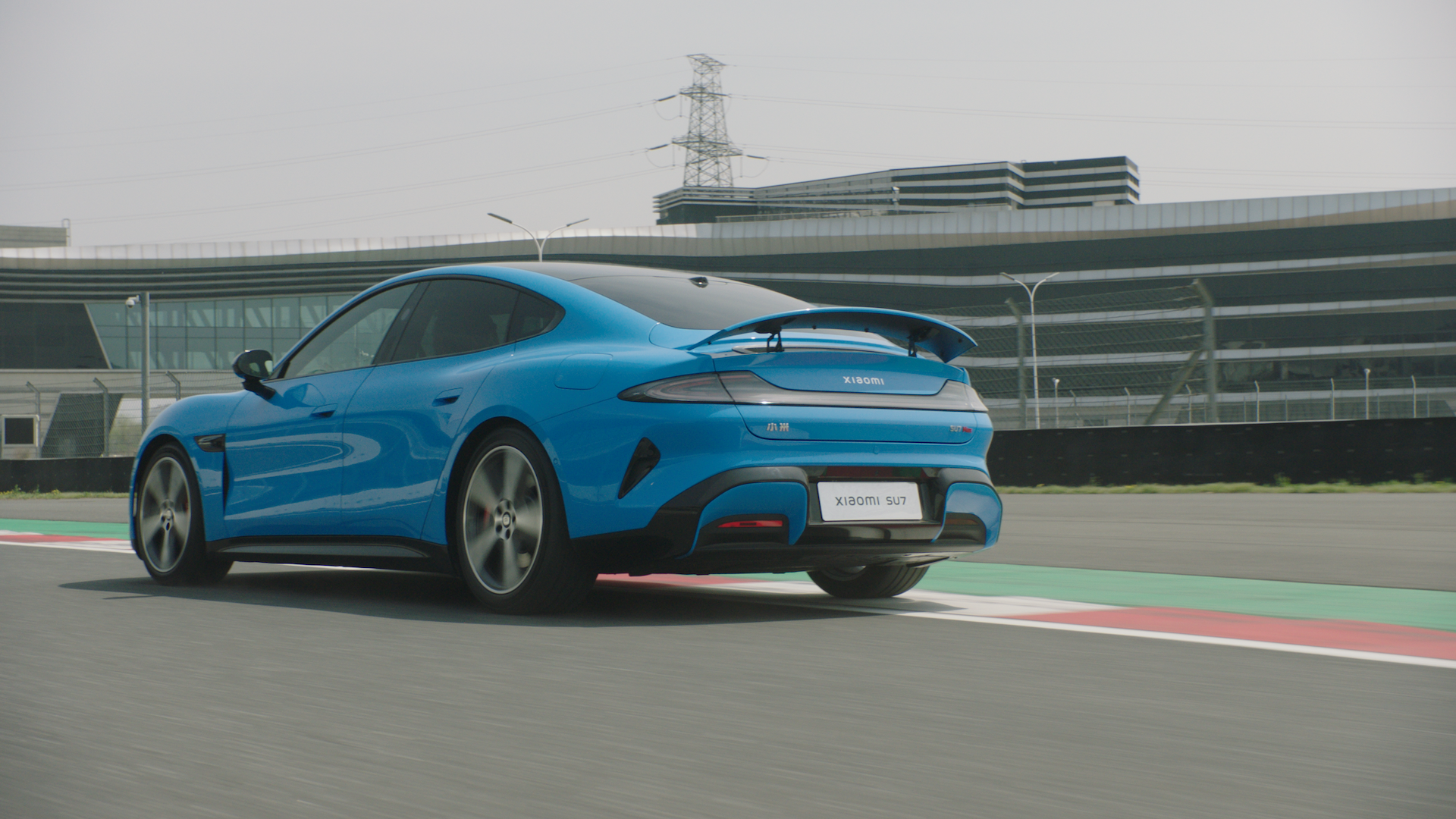
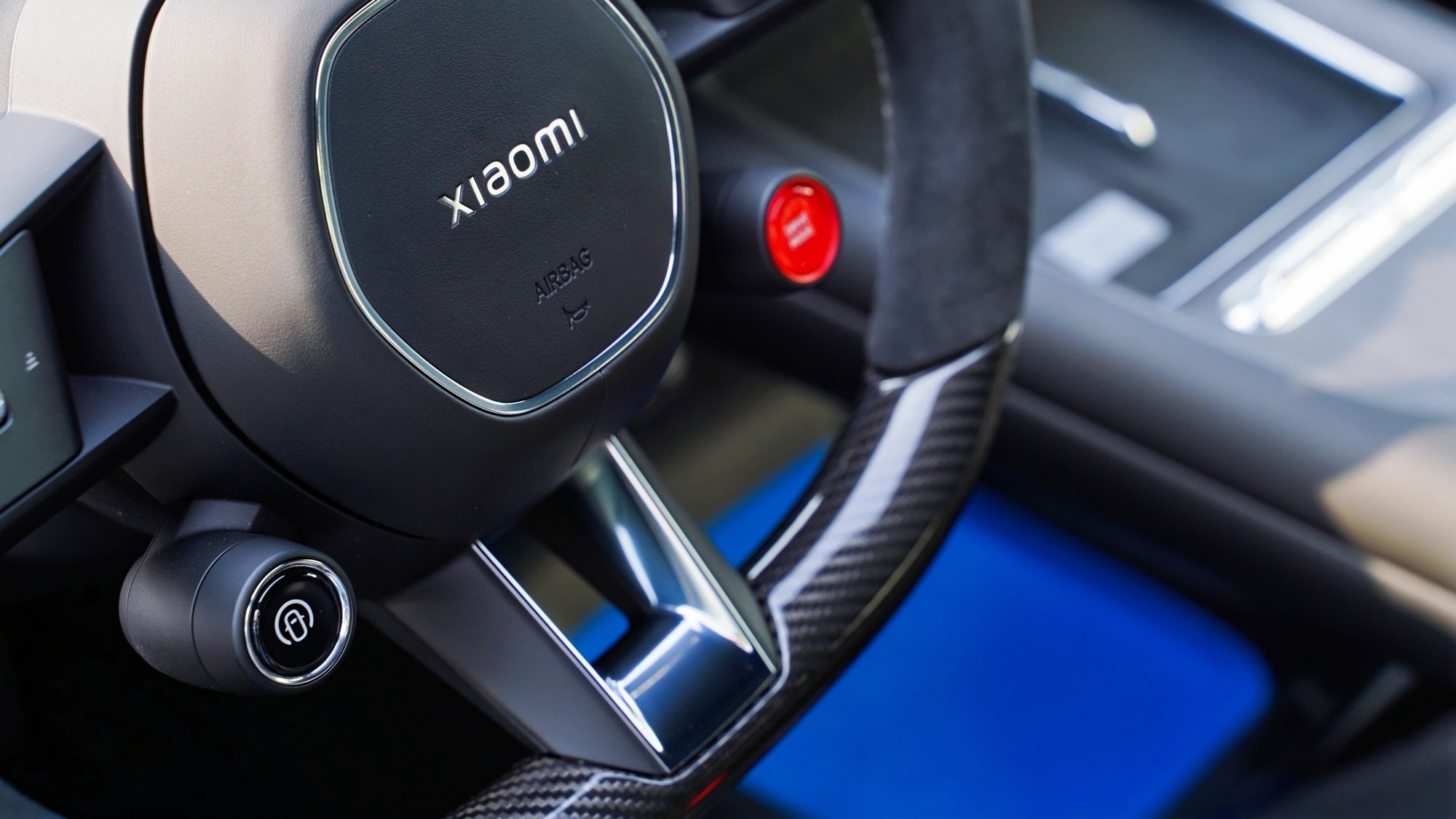
The interior gets more technology than before along with more premium materials. The powertrain now uses Xiaomi’s uprated HyperEngine V6s Plus motors along with better energy flow management, while the ESC, chassis and brakes have been upgraded to cope with the increased power. We drove Chinese-tuned models, and we expect the European models to feel slightly different.
What Are the Specs?
The updated SU7 comes with three trims, and although much of the technology is now standard across the range, there are still differences.
- Base Model and Pro: Both make do with rear motors only, for a total power of 320PS and 320Nm of torque. This translates to a 0-62mph sprint of 5.7 seconds in the Pro and 5.28 in the base model.
- Max: The highest level trim (Ultra supercar aside), which gets a front and rear motor (asynchronous at the front and PMSM at the rear) along with the largest battery in the line-up. The result is a 681bhp of power along with 631ft lbs of torque, and a 0-62mph sprint of 3.08 seconds.
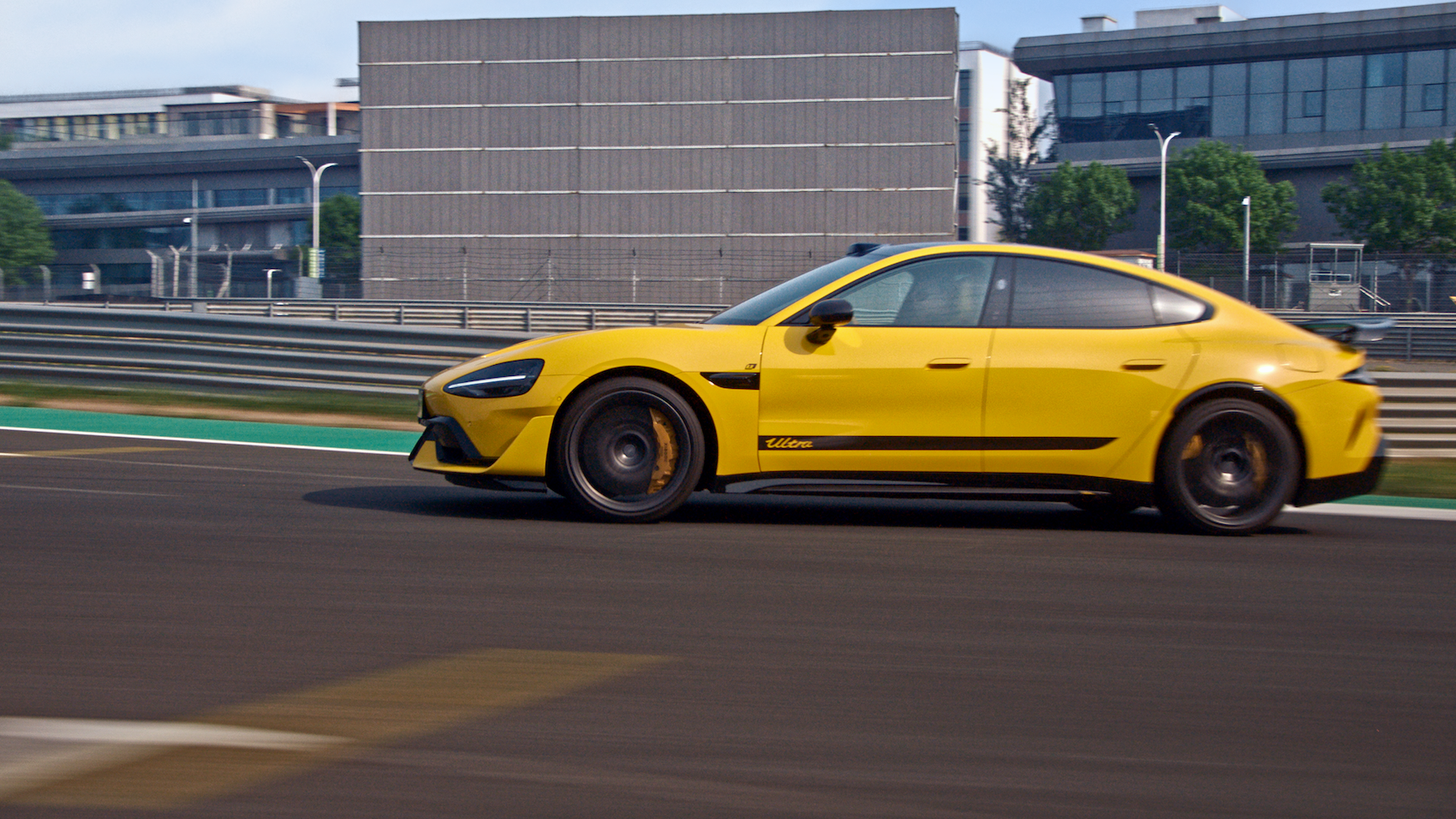
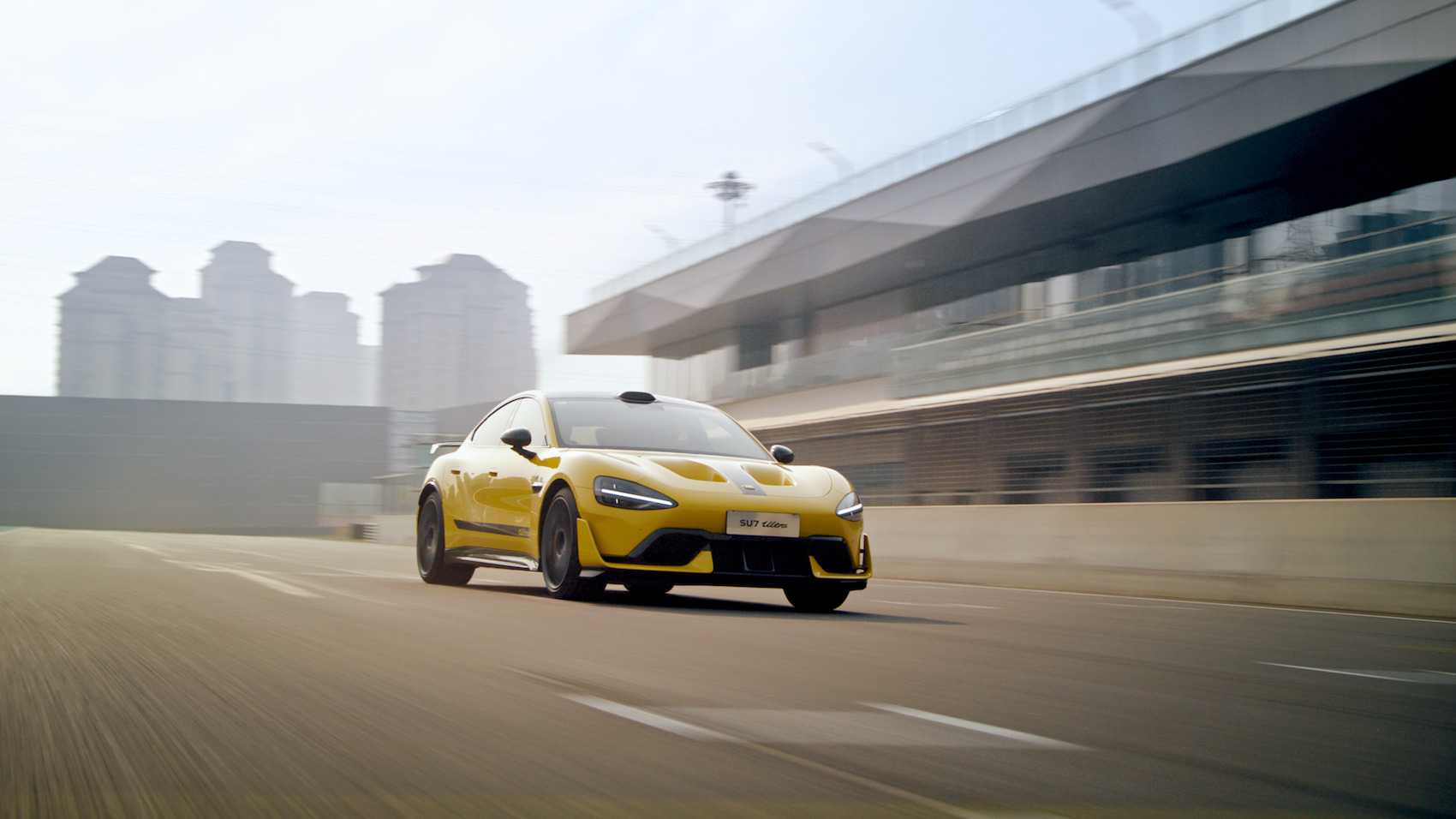
Only the SU7 Ultra (pictured in yellow) is faster, and that uses three motors (two at the rear and one at the front) for a total of 1527bhp, and a 0-62mph time of 1.98 seconds.
Like a few more recent EVs such as the Volvo EX60, the Xiaomi benefits from Cell-to-body technology. This effectively means the battery drops straight into the chassis rather than going into a separate cassette first. This reduces the car's weight and boosts rigidity, too.
Range and Efficiency
The base model’s battery will give you 720km or 447 miles (CLTC) of driving, while the Pro is the longest-range model of them all with 902-kilometres or 560 miles. The Max is capable of 835 km or 519 miles CLTC before needing a charge thanks to a 101.7kWh ternary lithium battery, but two motors. We’ll update this article when we have WLTP range figures that tend to be a bit more conservative.
Charging speeds are fast too, thanks to an 800-volt architecture across the line up: 15 mins of fast charging gets you 450km or 280 miles in the base model, 490km or 340 miles in the Pro and 670km or 416 miles in the Max. Again, we’ll update this article with European specs when they’re released.
How Does It Drive?
We’ve driven both the SU7 Max and the Ultra, though our testing was conducted in China and in closed environments. We took the Max around a gymkhana course and drifting track, while we did a few laps on track with the SU7 Ultra later in the day. Nevertheless, we were able to get an idea of just how the SU7 responds and handles.
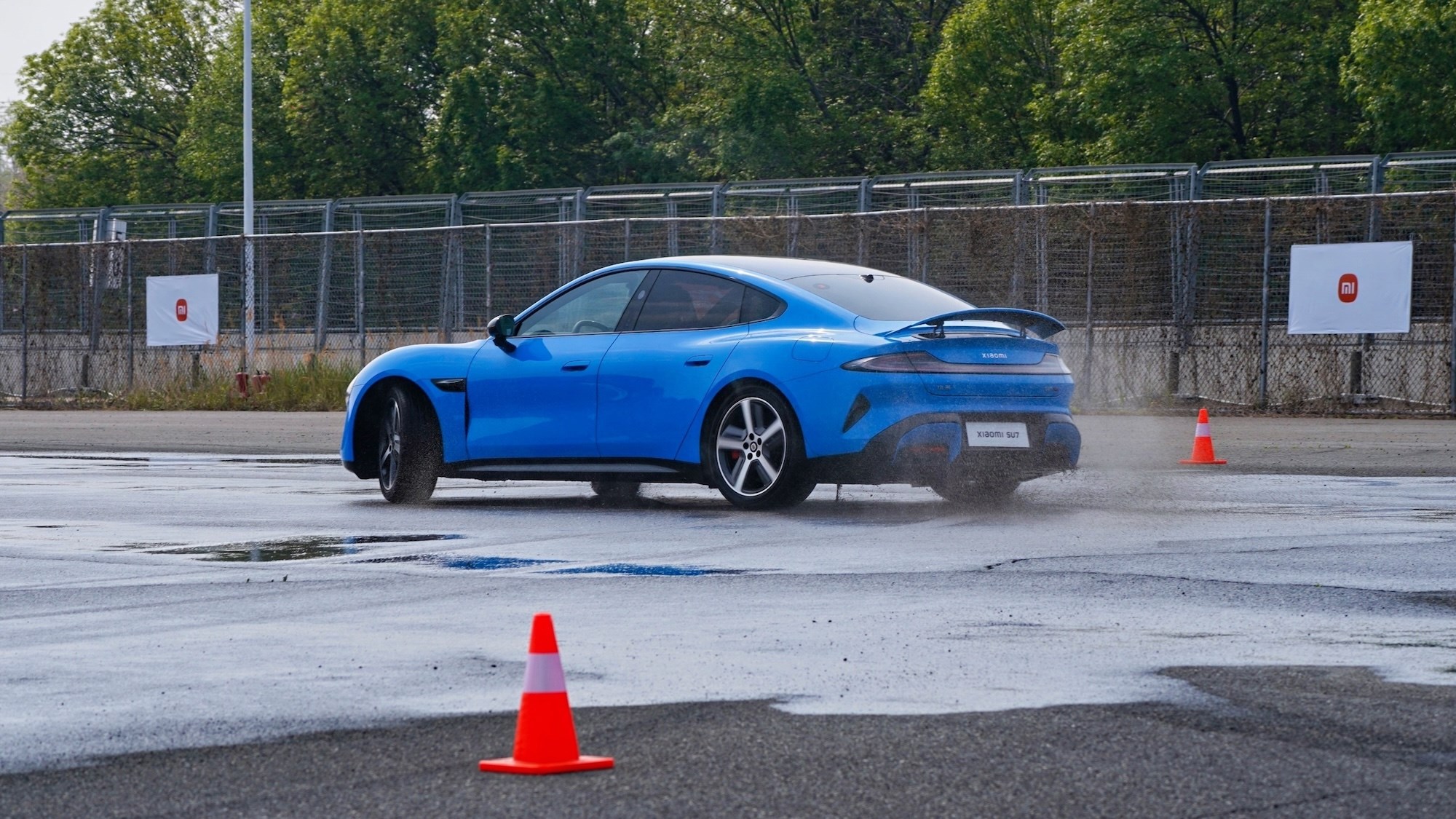
Our first few attempts at the Gymkhana course revealed a surprisingly composed chassis in the Max. Launch off the line, and the bonnet stays down with very little weight transfer from front to rear. Weirdly the Max’s straight-line speed feels slower and more refined than you’d expect and lacks the neck-snapping feel you get with early EVs.
The steering is light but by the second run I’m happy to lean on it even more. It’s also relatively quick – presumably for urban driving – but its consistency means it doesn’t feel too nervous. The feel wide, but the steering is predictable enough to get close to cones. When doing some drifting work, the steering was equally predictable, although it took a while to understand the response of the throttle.
The Max’s four-piston Bremo brakes require little application around the course, but the moments that I do use them they’re relatively powerful – but more importantly predictable. The transition between the physical friction brakes and the regen was also imperceptive, which is also a good thing.
One other thing: when doing some of the sharper turns, the traction control was intrusive, cutting power relatively sharply when the steering angle was too acute. This was a time when the car behaved in a way I wasn’t expecting.
And the SU7 Ultra?
Imagine everything above, but at around 1.5x the speed. The Ultra is faster, flatter and sharper in all aspects. Off the line it added speed in a pleasant rather than alarming rate and the brakes – six-piston bon ceramics here – had solid, consistent stopping power throughout. They were also easy to modulate and trail into corners.
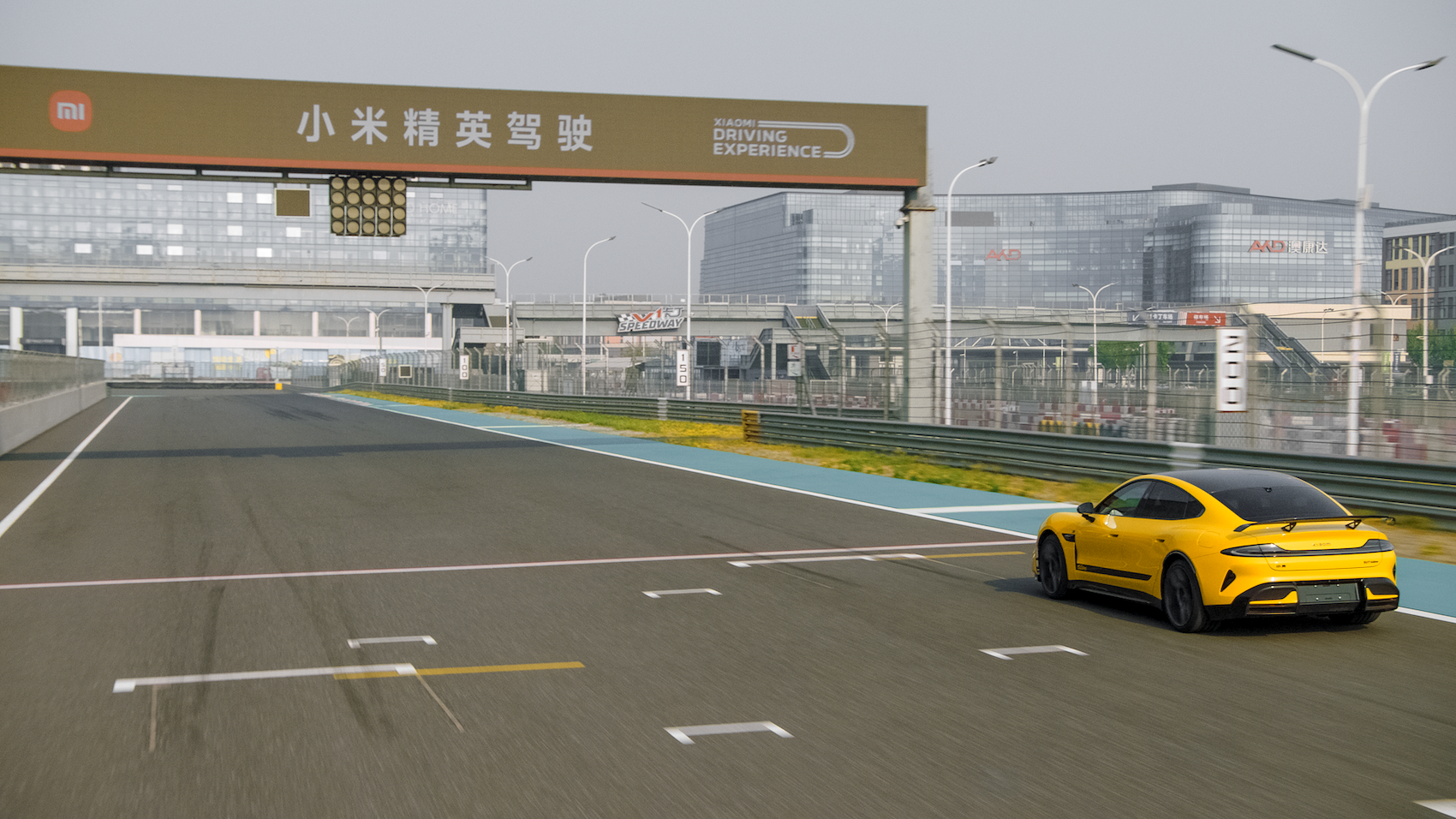
The steering remained predictable – if not sharper – in the Ultra, but the most impressive thing is the way the Ultra changes direction, especially at pace. Simply point it in the direction you want and the brace yourself as it pulls some serious Gs.
In S bends around the lap, the Ultra is super reactive and super stable on both axles. Just a apply a small amount of input and the Ultra darts from one kerb to another with almost zero body roll and understeer. The most unstable thing in the car is the driver and even then, the Ultra’s active seating keeps you in position.
Launching out of the corners should be the most exciting part of the lap, but even in Sport mode (Sport+ wasn’t tried) the Ultra is keen to cut the power. Despite some relatively neat driving, the Ultra’s ESC preferred to bog me down then let the car get remotely out of shape. This was so prevalent the instructor kept reminding me to put my foot down.
Hopefully this is different in Sport+ mode, or at least in the car’s forthcoming European tune.
What About the Interior?
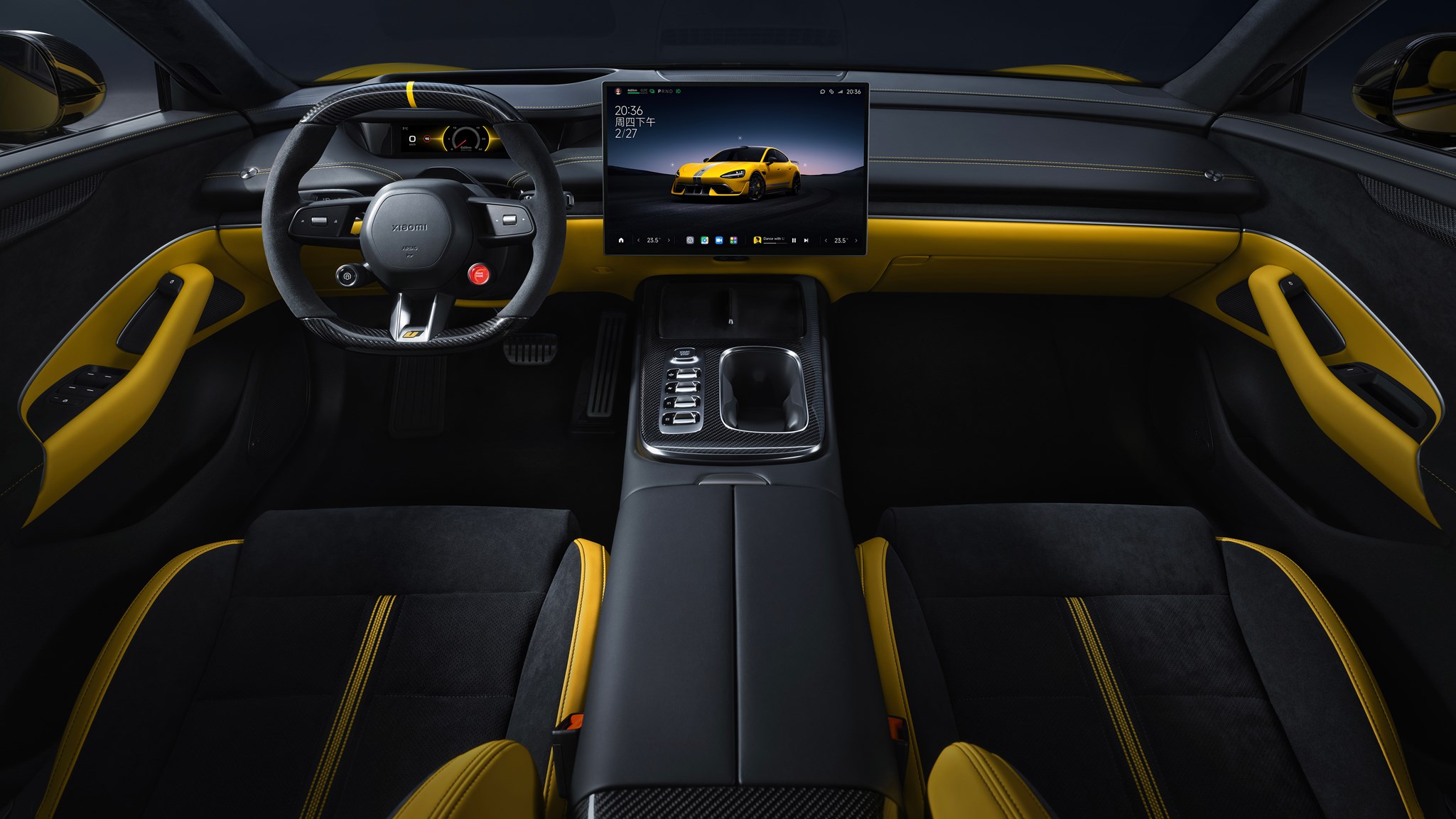
The SU7’s interior is a happy mix of technology and old-fashioned surprise and delight. Use a key fob to get into the interior, turn on the car – and the first thing you notice is a revolving 7.1-inch screen of dials for the driver. It’s unnecessary, but a bit of theatre at a time when interiors are feeling quite serious.
Of course, Xiaomi has also plonked a huge 16.1-inch screen in the middle of things. It’s hugely bright in person and 3K, so it looks as good as any phone or tablet. On that note, it also uses a 16:10 aspect ratio, which makes it much easier for Xiaomi to port its tablet apps to the SU7. The tablet is 16:9, and the extra 0:1 comes from a persistent taskbar for things like the A/C etc. Very clever.
The apps China gets will be widely different to the ones the SU7 will ship with in Europe, but I was able to see it run everything from a Chinese version of Tiktok to a Chinese version of Deliveroo – in which you were even able to browse menus. The car also understands the will also connect to other Xiaomi home products in the future.
But the coolest bit? The SU7 has microphones and speakers both inside and outside. That setup means the Xiaomi can do things like noise-cancel road roar for even better NVH, but it also allows for some other tricks. In between runs, I was shown the car’s ‘transparent mode’ which allows passengers to talk to people outside the car as if the car was never there. It also allows drivers to talk to the car before they get in it, whether it’s to change A/C settings or eventually talk to a Xiaomi appliance at home.
Finally, there’s also a camera mode, which looks to have been ported directly from one of the brand’s smartphones. It even uses the same anti-glare coating as Xiaomi’s handsets.
Safety tech is here too: the SU7 comes with nine airbags and is made with 90.3% high-strength steel, but it comes with a raft of technology which means you should never have to test it. As well a built-in dashcam you get a Nvidia Thor chipset for ADAS, twelve ultrasonic radars and eleven cameras.
Verdict
The Xiaomi SU7 has been one of the most hyped-up cars in the last 5 years, but if this facelift is anything to go by, it’s a very interesting product. Even in Chinese-spec, the handling is impressive, and the technology it packs in is everything you’d expect from an EV made by a smartphone brand. Particularly impressive is the ‘transparent mode’ and the possibilities around vehicle-to-home device integration. And the looks good in person too.
We’ll reserve some judgement before we drive the car on the continent, by which time the handling should be more resolved and ‘Euro-spec,’ but with all the caveats above included, the SU7 is shaping up very well indeed.
