Can a $60 Plastic Cube Fix the Screen-Time Crisis?
A New Approach to Managing Screen Time
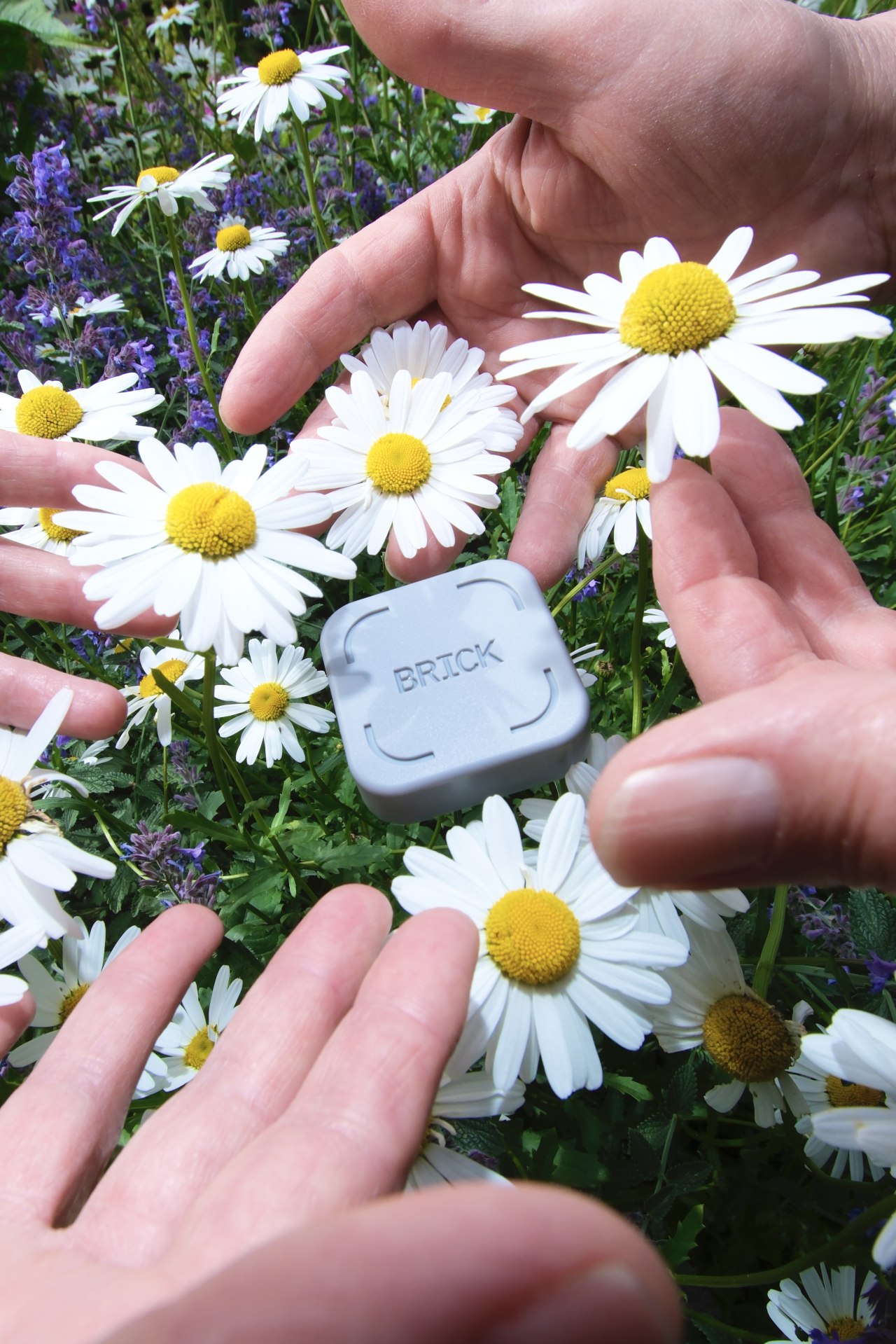
In a world where digital distractions are ever-present, a small gray plastic cube is making waves among those seeking respite from the constant pull of their smartphones. Measuring about 2 inches on each side and lighter than a deck of cards, this device, called Brick, aims to tackle the screen-time crisis head-on. For $60, it connects to an app that blocks distracting applications on a user’s phone.
The concept behind Brick is simple yet effective: users stay “Bricked,” as the company refers to it, until they tap their phone against the cube. Utilizing NFC technology, the physical device links with the app, restoring access to the phone. This innovative tool is part of a growing trend aimed at reducing screen time, especially for those who find it difficult to resist the allure of Instagram or TikTok with sheer willpower alone.
In an era marked by techlash, where many consumers are looking to disconnect from digital life, Brick has also become a status symbol. Users often share screenshots of their Bricked phones on social media, broadcasting a message of unreachability or showcasing their commitment to reducing screen time. Lifestyle influencers like Brett Chody have praised its benefits, while celebrities such as Lorde, Bowen Yang, Mandy Moore, and Conan O’Brien have embraced the product.
On a May episode of his podcast, Conan O’Brien shared his experience with the device. He mentioned that some of his friends get frustrated by his delayed text responses when he's Bricked. “They’re so used to getting an immediate dopamine hit that they forget they’re talking to someone who isn’t walking around looking at their phone all the time,” he said.
The Founders Behind the Idea
Brick's founders, both computer scientists, are far from being Luddites. “We love technology, we love building,” co-founder TJ Driver, 26, explained in an interview. “We’re engineers.” However, before starting the company, they faced a common challenge: the very technology they loved was often hindering them from focusing on what truly matters in their lives.
Driver and his 27-year-old co-founder Zach Nasgowitz have been friends since first grade in Milwaukee. After graduating from the University of Wisconsin-Madison, they tried launching several apps together, none of which gained traction. Throughout their journey, they repeatedly encountered the same issue: constant distraction by their phones and wasting hours on less important tasks.
“We had tried screen-time tools, but they were too easy to override,” Nasgowitz said in an email. In January 2023, they left their jobs as software developers to build Brick out of Nasgowitz’s parents’ basement, handmaking their first “brick” from wood with help from his father. They went through numerous designs and sizes using a 3-D printer before officially launching in September 2023.
Three months later, Driver was at a Green Bay Packers game when Nasgowitz sent him a message: a social-media post about their product had gone viral. Suddenly, they had 1,000 orders—a daunting task for two people still assembling, gluing, and packaging Bricks themselves. At the time, they were producing no more than 10 a day; now, they outsource manufacturing to China.
A Growing Trend in Digital Detox Tools
Brick is part of a broader movement of programs and gadgets designed to help people break free from their devices. Apple offers built-in screen-time limits that users can customize. Bloom, another phone-locking app, requires a tap against a card to restore access. Other apps, including Focus Friend and Forest, gamify the experience of putting down the phone. There are even miniature jails you can lock your phone in.
However, none of these solutions address the root problem. Some Brick users have reported that the device didn’t significantly change their phone habits. This raises the question: why invest in another gadget instead of simply exercising self-control?
Driver doesn’t view it as a matter of willpower. “It’s about designing your environment so that you don’t have to ask those questions,” he explained. The founders have not disclosed sales data or user figures. According to Similarweb, a digital market intelligence company, app downloads began rising from just over 14,000 last October to 33,710 in November. They jumped to 103,632 in January. In May, the number of downloads was about 59,729.
Brett Chody, an influencer and social-media manager, received a Brick in March. “My entire life is on my phone,” she said. “I’m talking like double-digit screen time on average every day. I started getting to a point where I was like, ‘I don’t even want to be scrolling right now,’ but I felt like I was just so addicted.”
Although she occasionally found herself automatically grabbing her locked phone during the first few weeks of using Brick, the impulse became less frequent over time. Her screen time now averages about six hours a day, a significant improvement from the 10 or 12 hours she used to spend on the phone.
