GitHub users voice frustration over frequent outages and reliability problems
Microsoft’s Acquisition of GitHub: A Decade of Concerns and Decline
Microsoft's acquisition of GitHub in 2018 for $7.5 billion in stock was a major move that sparked immediate skepticism from the open-source community. The deal raised questions about whether a corporate giant like Microsoft could maintain the independence and reliability that GitHub had become known for.
GitHub has since remained the largest source code hosting platform globally, serving software companies of all sizes—from hyperscalers to hobbyists. It played a pivotal role in shaping how open-source software is distributed online. However, concerns have grown over the years, especially as the platform has struggled with stability and reliability.
The Rise of Outages and Distrust
In recent years, GitHub has experienced a series of outages that have become almost meme-worthy, but with real consequences for users. One of the most notable contributors to this issue is Mitchell Hashimoto, the developer behind Ghostty, a popular terminal emulator that has been hosted on GitHub for nearly two decades.
Hashimoto began tracking GitHub issues that disrupted his workflow, recording a dismal uptime of 90.21%, far below GitHub’s stated service level agreement (SLA) of 99.9%. His findings highlight a growing trend of instability that has left many users frustrated.
GitHub CCO Kyle Daigle addressed these concerns, but users remain unconvinced. Hashimoto expressed his frustration in a detailed blog post, explaining that GitHub has failed him daily and that he feels an emotional connection to the platform. He described his anger and disappointment, noting that he has been unable to perform basic tasks like PR reviews due to frequent outages.
Departure of Key Contributors
Hashimoto’s decision to leave GitHub marks a significant turning point for the platform. His departure has prompted a groveling apology from GitHub’s leadership, who acknowledged the need for improvement. However, the sentiment among users remains one of distrust.
Other major players have also begun to distance themselves from GitHub. The programming language Zig recently announced its migration to Codeberg, citing GitHub’s "rotted" engineering culture. Developers have criticized the platform for becoming bloated and buggy, with features that were once snappy now sluggish and broken.
The Role of Artificial Intelligence
The decline of GitHub seems to be part of a broader pattern within Microsoft, particularly under the leadership of Satya Nadella. The company has heavily invested in artificial intelligence, shifting focus away from core services. This shift has led to a degradation in quality across several Microsoft products, including Xbox, Windows 11, and even World of Warcraft.
Microsoft’s investment in AI workflows has seen GitHub integrated more closely with its CoreAI division. As a result, the platform has become a testing ground for new AI-driven features, often at the expense of user experience and reliability.
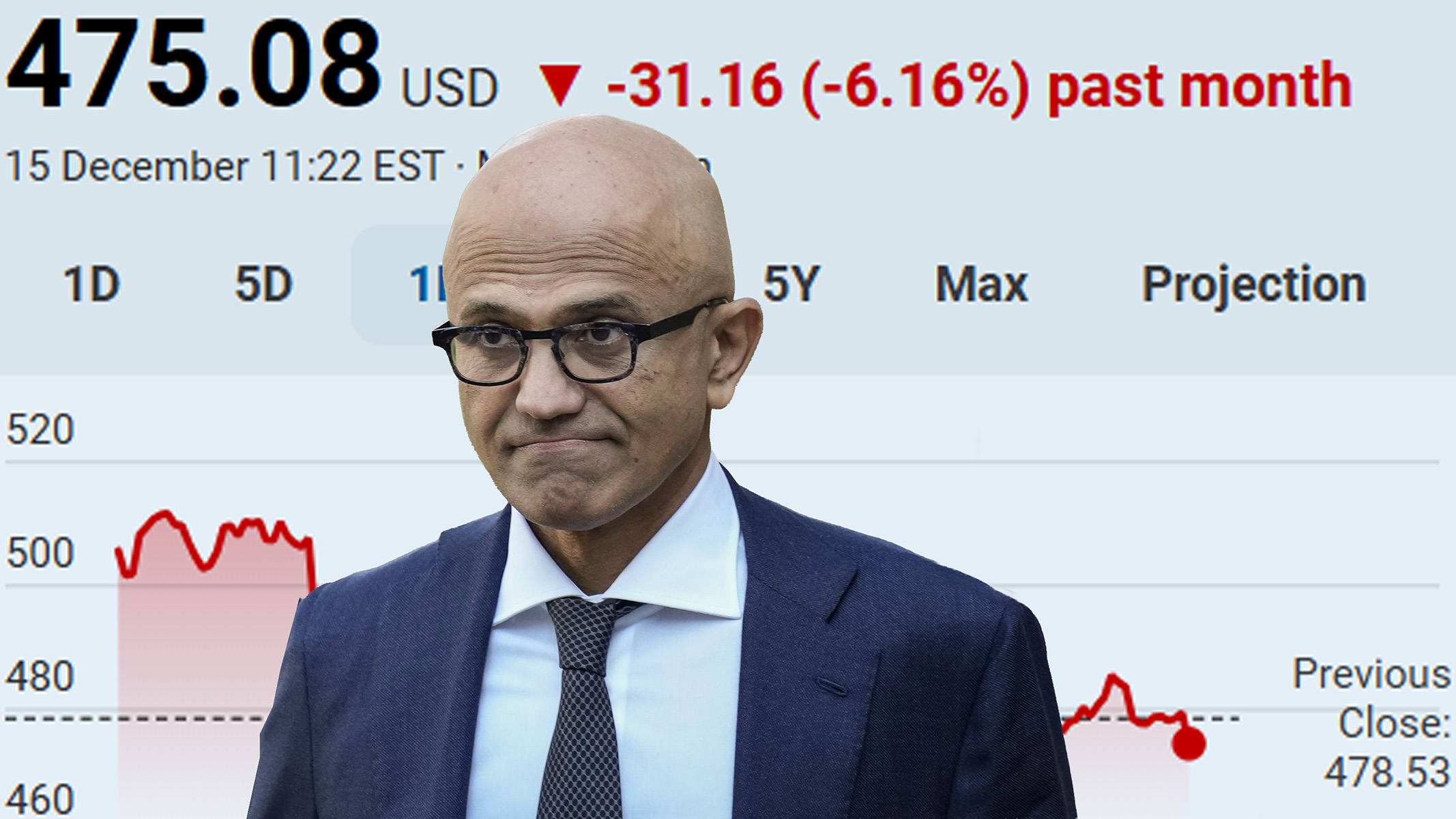
This focus on AI has raised concerns about sustainability, with many questioning whether Microsoft is prioritizing investor hype over customer satisfaction. The result has been a series of problems across Microsoft’s ecosystem, from bugs to server issues, all while the company continues to pour resources into AI initiatives.
A Shift in Priorities
There was a time when Microsoft reinvested profits back into its business, ensuring the continued success of its core services. However, the current strategy appears to be different, with vast amounts of capital being directed toward AI platforms. This shift has led to a noticeable decline in the quality of Microsoft’s offerings, raising concerns about the long-term viability of the company’s approach.
The Future of GitHub
As we approach the 10-year anniversary of Microsoft’s acquisition of GitHub, the concerns raised by users and developers seem increasingly valid. The platform’s stability, reliability, and commitment to open-source principles are under scrutiny, and the departure of key contributors like Hashimoto signals a deeper problem.
While Microsoft continues to push forward with its AI-driven vision, the question remains: will the company find a way to balance innovation with the needs of its users? For now, the signs are not promising, and the future of GitHub hangs in the balance.