Are You Out There? - Kids Send Messages to the Stars
Children from Seaham Send Messages to Distant Planets
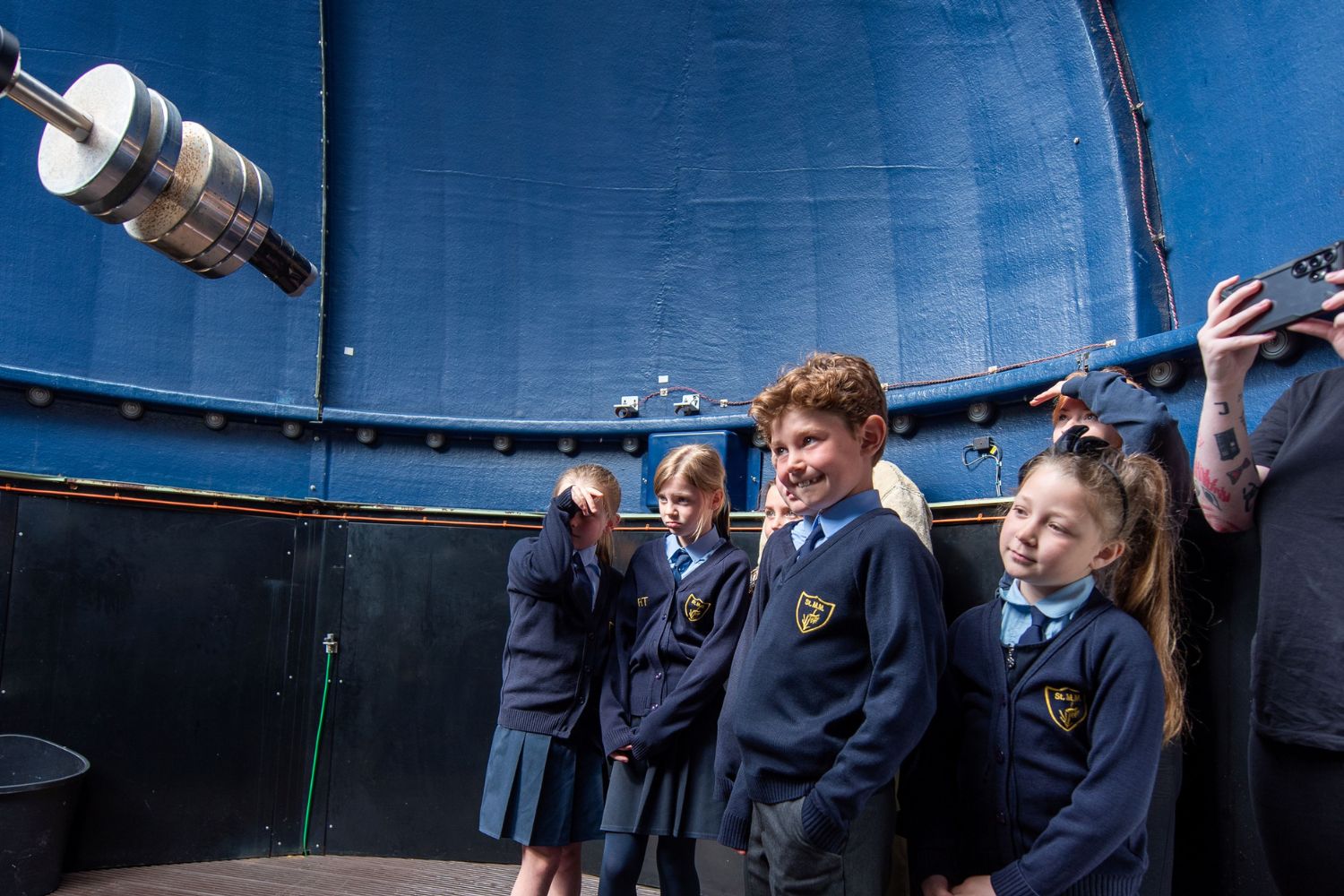
Children from Seaham have been sending messages into space to distant planets and solar systems, thanks to the support of Durham University. The pupils from St Mary Magdalen’s Primary School have been potentially reaching out to distant life forms by using advanced laser communications technology as part of Durham University’s Light Years programme.
The children’s messages were sent hundreds of thousands of miles into space as part of SPARC Summit Late, a one-night public event at Ushaw Historic House. This event brought together scientists, artists, and the public to explore the future of space exploration. It demonstrated how written messages or drawings can be converted into data and transmitted using an innovative laser system known as free space optics. This technology is designed for future space communication and is being developed by organisations such as Durham University’s Space Research Centre, nicknamed SPARC.
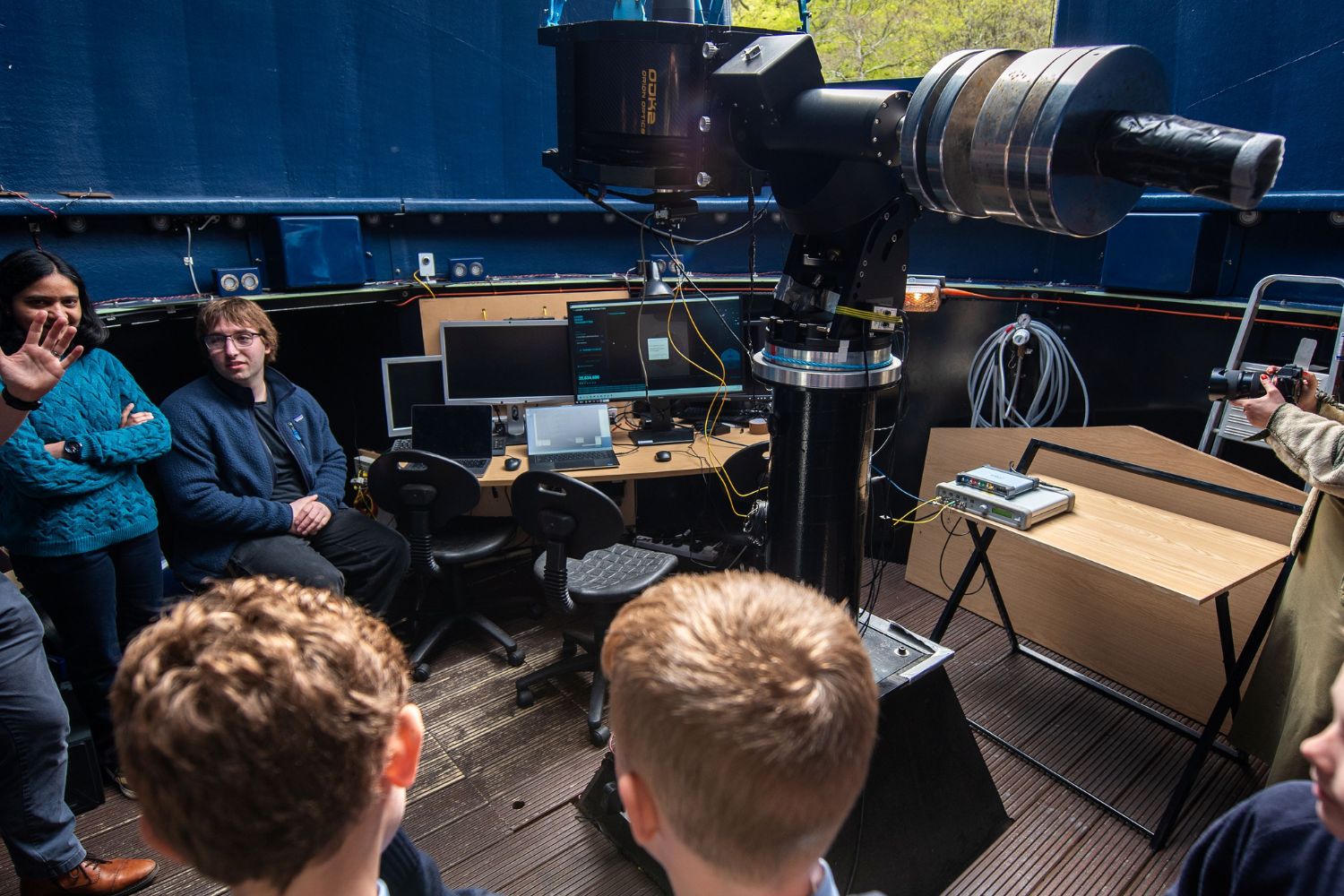
Messages created by pupils and members of the public were digitised and transmitted towards specific points in space, ranging from near-Earth targets like the Moon to deeper space locations including Mars and beyond our solar system.
Amelia, 6, from St Mary Magdalen’s school in Seaham, said: “It’s exciting to think something I wrote could be sent into space. It makes space feel closer to me and makes me think what I would want to say and who might be listening up there.”
Professor James Osborn, Professor of Astrophysics and Director of the Durham SPARC, explained: “Laser communication allows us to send information in a much more targeted and efficient way. Instead of broadcasting signals widely, we can direct data to very specific points in space with far greater precision.
“This is the kind of technology that will underpin future satellite systems, deep space missions and robotic exploration. What’s powerful about this demonstration is that it makes that process visible. Showing how something written here on Earth can be converted into data and transmitted beyond it.
“It’s also a reminder this kind of innovation isn’t happening somewhere else - it’s being developed and tested right here in the North East.”
Ged Matthews, director of Light Years, added: “The recent publicity around the Artemis II space mission has only fuelled interest in the world beyond our planet. This is space technology you don’t just hear about, you take part in. By inviting people to write a message and see it transmitted into space, we’re opening up access to ideas and technologies that can often feel distant or abstract.
“Light Years is about connecting people to the future of space in ways that are creative, tangible and rooted in place. It shows how a region like County Durham can play a role not just in developing new technologies, but in shaping how people understand and engage with them.”
The Light Years programme is part of County Durham’s Into the Light initiative, a “place-based cultural partnership bringing together culture, communities, education and industry”.
Project director Julia Handelman-Smith said: “It was fantastic to see so many artists, creatives, researchers and partners, coming together at the SPARC Summit to share their inspiring work and ideas. The talent on show, and enthusiasm from everyone there, highlighted what Into the Light is all about: creating opportunities for people to connect, collaborate, and see what’s possible when creativity brings different worlds together.”
