Marathon (1994) and Marathon (2026): Worlds Apart, Yet Familiar
The Enigma of the Graffiti in Marathon
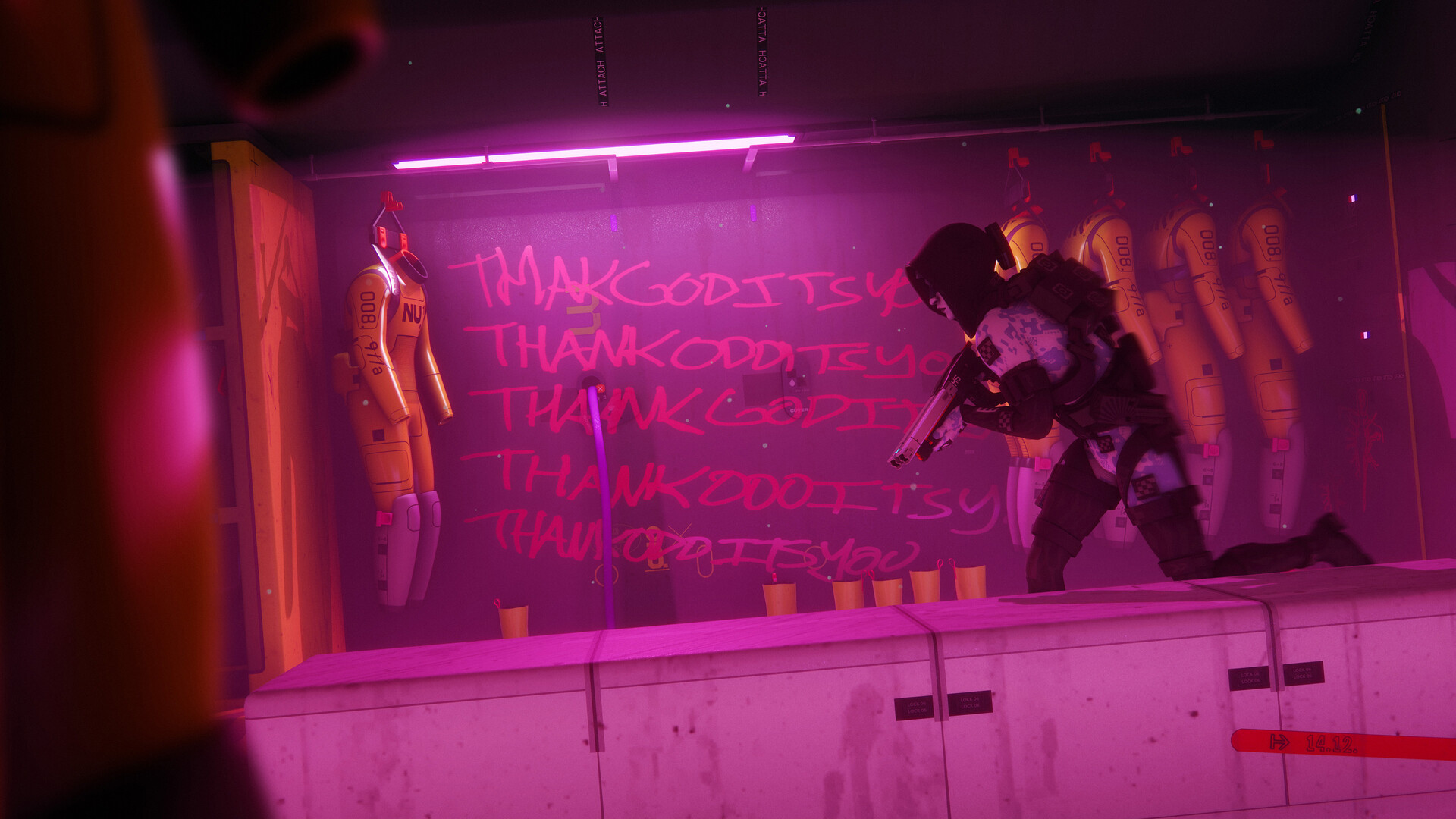
In the hidden corners of a bio-research lab located in Dire Marsh, there exists a peculiar strip of graffiti. It is scrawled behind a rack of hazmat suits and glows with an eerie luminescent pink. The message reads: "THAKGODITSYOU," followed by variations such as "THANKODDITSYOU," "THAANKGODITSYOU," and "THANKOOOITSYOU." At first glance, this could be just another unsettling reminder of Tau Ceti IV's descent into chaos, where colonists faced disease and internal conflict. However, this graffiti has found its way into the promotional art of Marathon, a game that many have encountered on platforms like Steam or PC Gamer. Over the past month, I've come to understand the significance of these cryptic words.
Marathon, released in 1994, was a groundbreaking shooter that helped establish Bungie as a name to reckon with among Mac gamers. Set aboard the UESC Marathon during an alien invasion, players navigate the colony ship, encountering BOBs—civilians born on board during the vessel’s long journey from Earth. The challenge lies in distinguishing between innocent BOBs and those infected, who explode upon approach. This distinction becomes clear through their dialogue: while the former scream "They're everywhere!" the latter express relief with "Thank God it's you!"
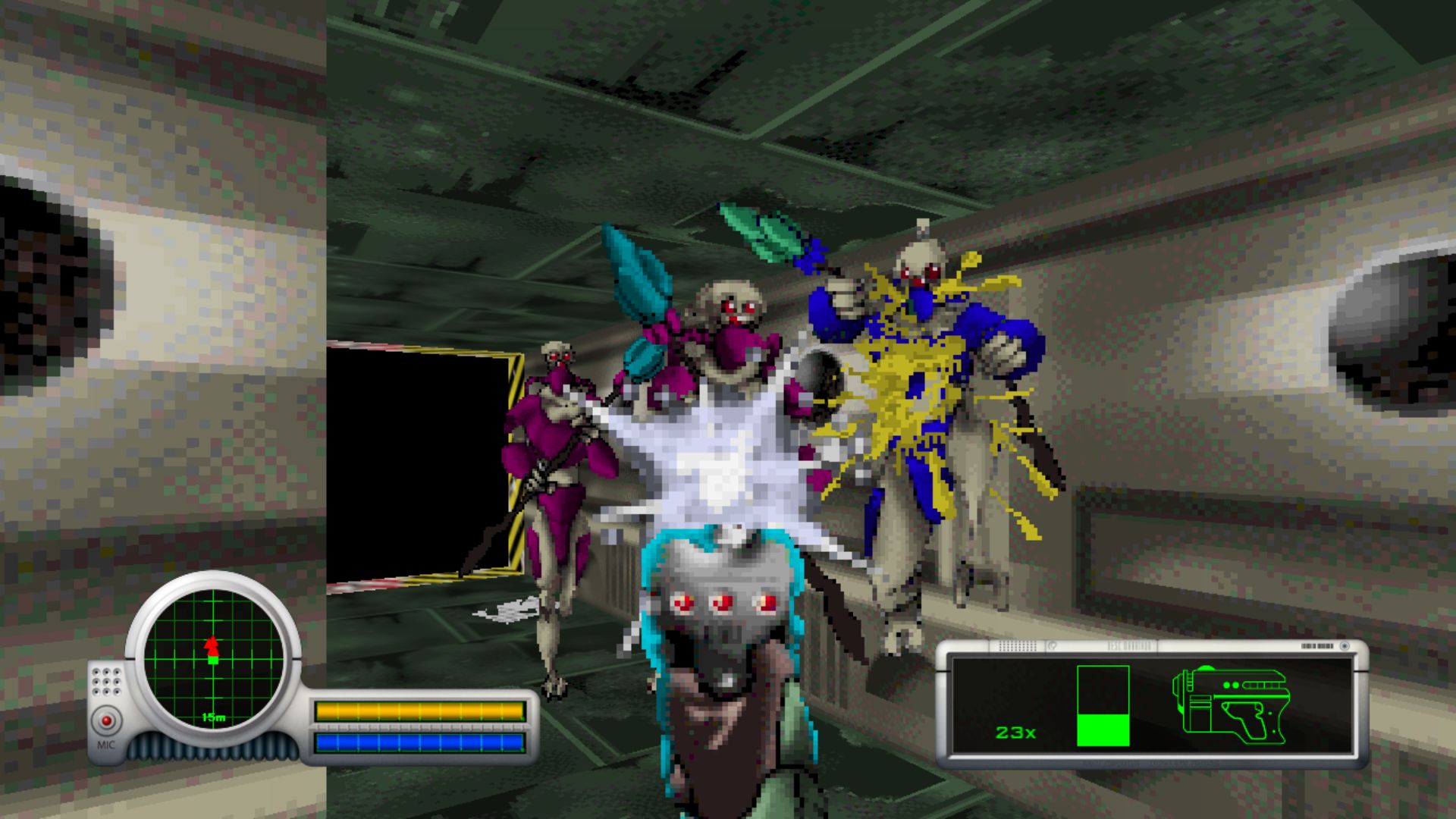
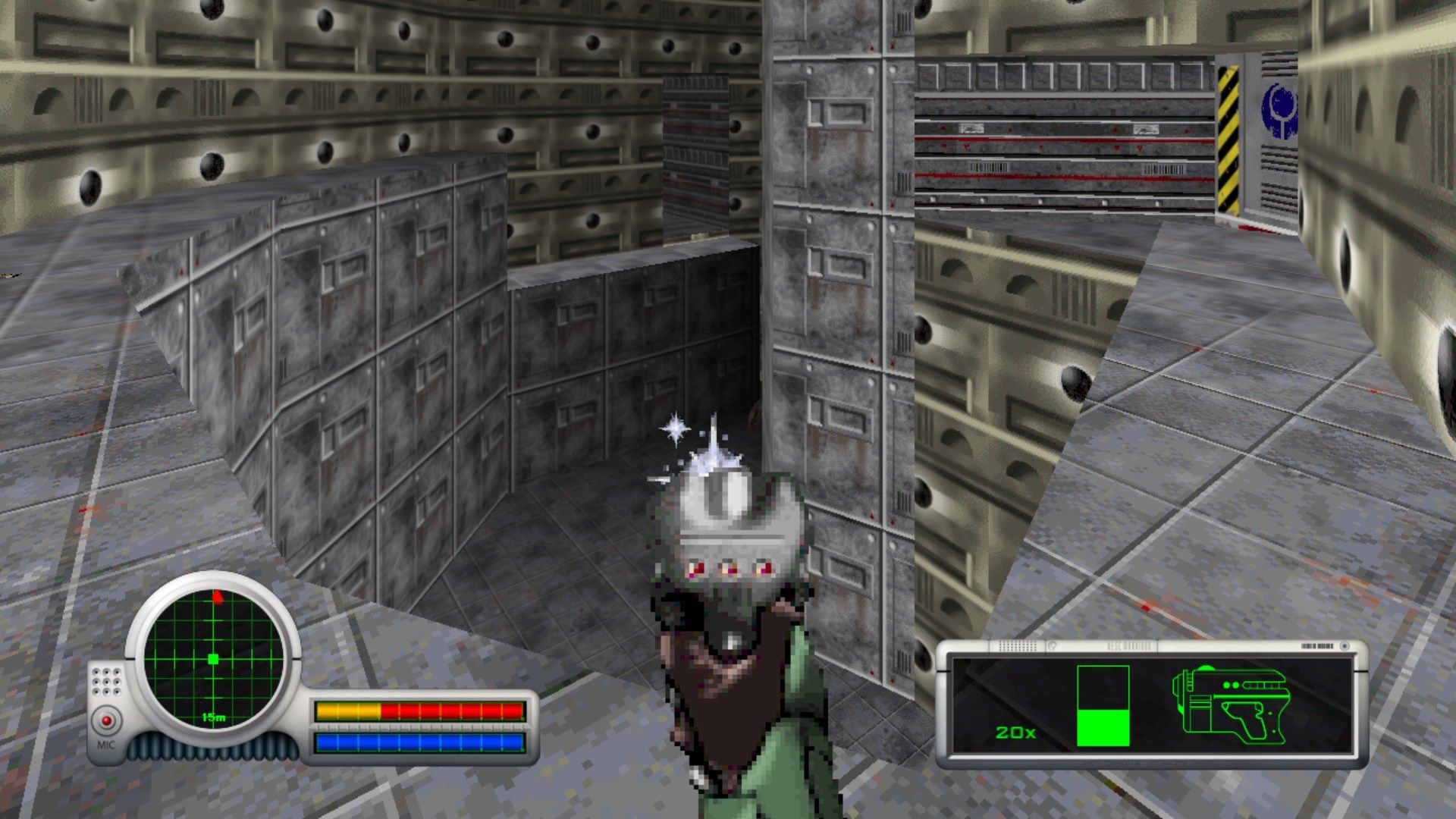
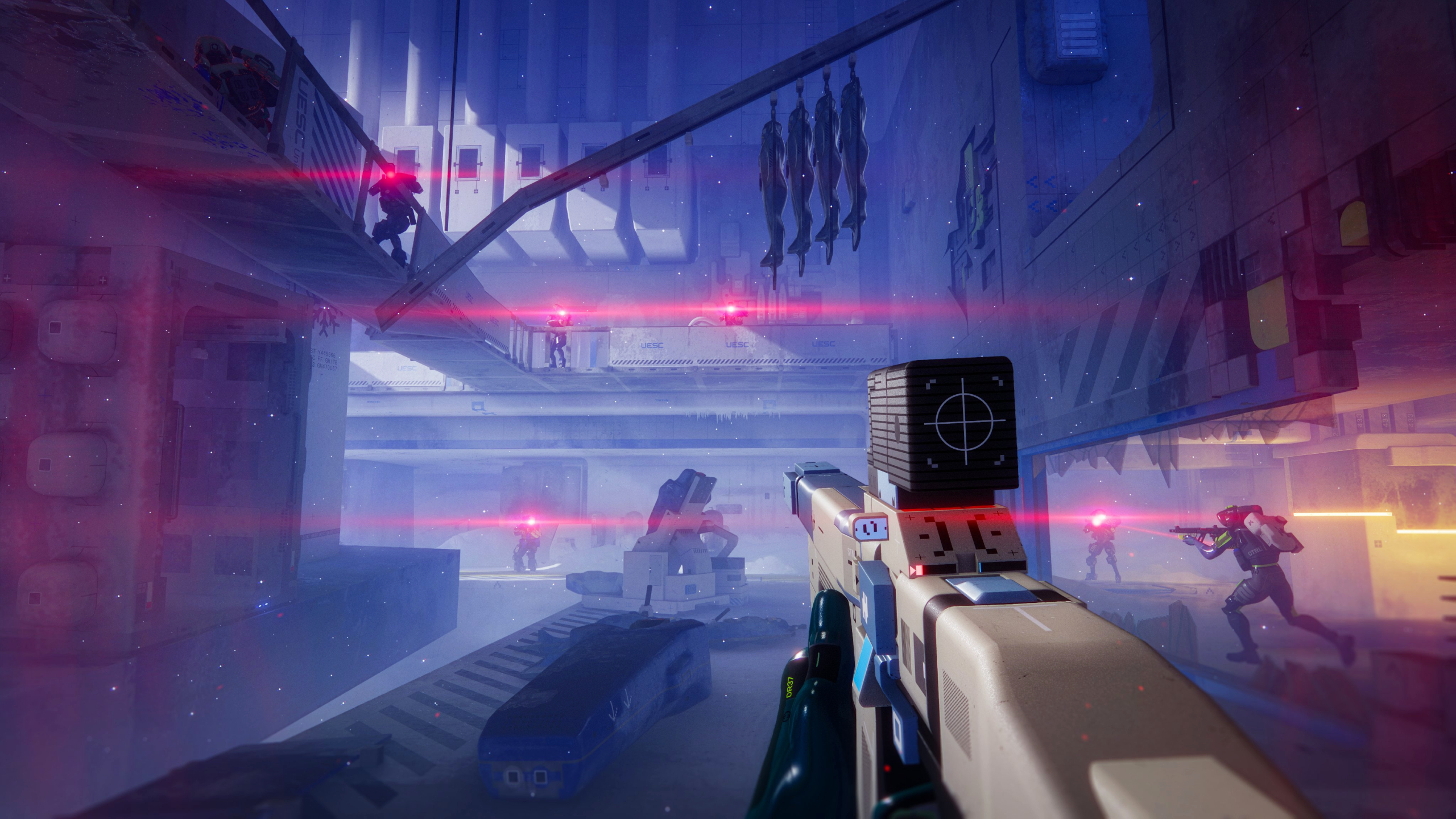
Playing both the 2026 version of Marathon and the original 1994 title offers a fascinating contrast. The newer iteration is an extraction shooter that engages with modern titles like Hunt: Showdown and Valorant, while the original draws inspiration from maze games and dungeon RPGs of the 1980s. The evolution of the genre over three decades is evident, showcasing how far the FPS has come.
Despite the differences, Bungie recognized narrative potential within the original trilogy. Terminals scattered throughout the first Marathon provide insights into the wider war and the thoughts of the onboard AI. As a mute security officer, players are caught between Leela, an AI striving to save lives, and Durandal, an entity focused on his own growing consciousness. His dialogue, filled with references to Darwin and 11th-century poetry, adds a unique layer to the game, making him a memorable character.
The narrative depth of Marathon was remarkable for its time. While Doom prioritized simple premises, and System Shock introduced audiologs, Marathon offered a rare blend of storytelling and gameplay. This legacy has allowed Bungie to maintain its roots, even as it explores new storylines.
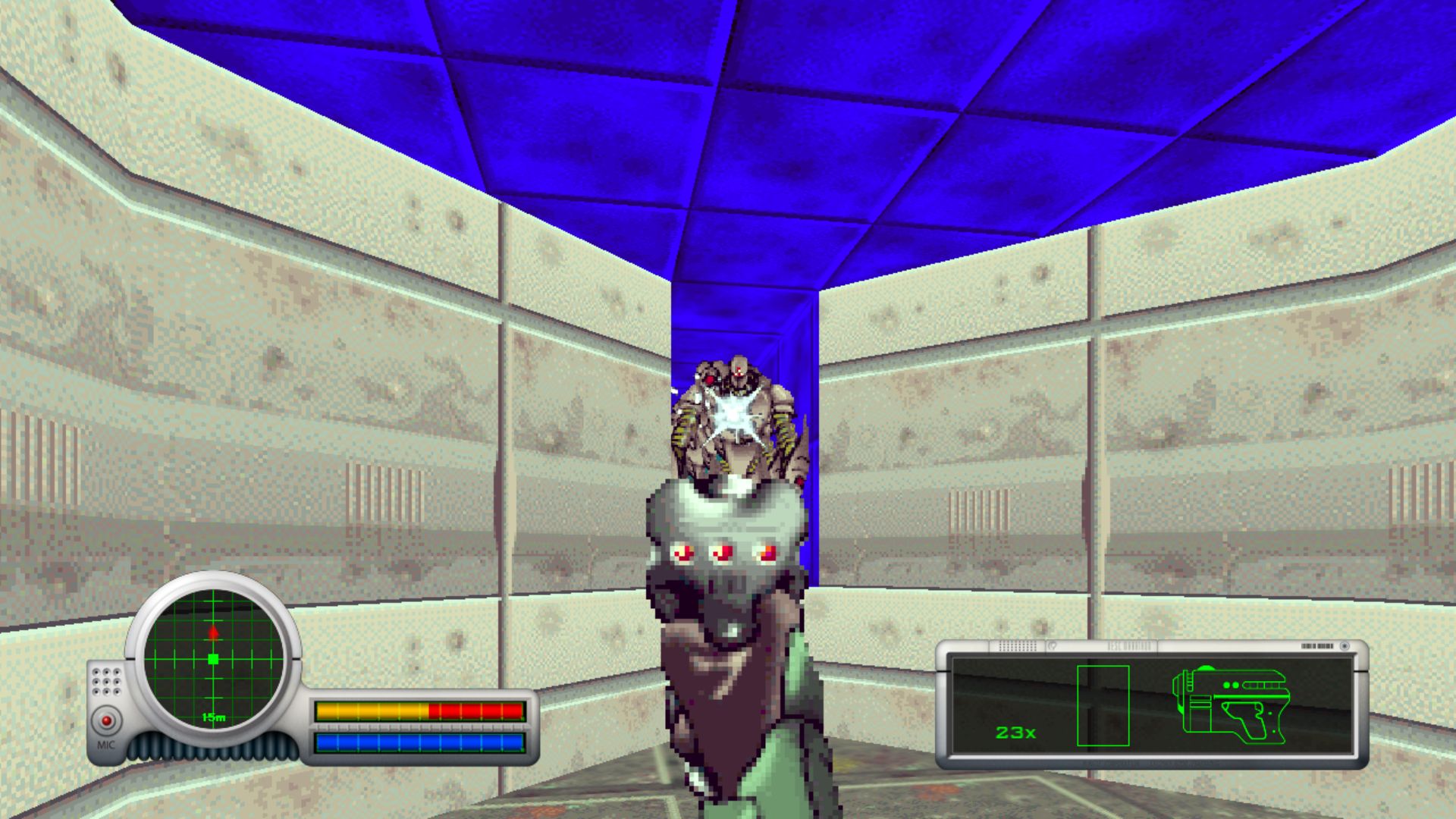
Developers of the 1990s worked tirelessly to create immersive worlds, a commitment that defines shooters of that era. The original Marathon, though lacking features like jumping or grappling hooks, emphasizes climbing, falling, and airborne sprints. The claustrophobic yet freeing navigation mirrors the experience in the modern Marathon's raid map, Cryo Archive.
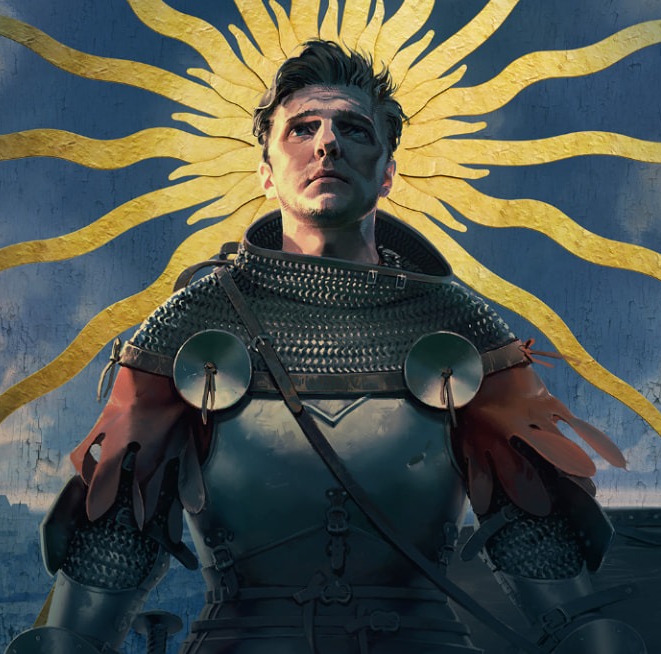
Other parallels between the two games include information gathering and the use of tools like the Alien-style motion tracker. The fusion pistol, with its distinctive sound and secondary fire mode, also echoes across both versions. Players may find themselves adjusting settings to combat motion sickness, but the experience remains rewarding.
Ultimately, the connection between the original Marathon and its modern counterpart highlights Bungie's dedication to its lore. Durandal's speech about freedom and mortality serves as a fitting tagline for the extraction shooter he inspired, encapsulating the essence of creation and escape.
Upcoming Games and Recommendations
- 2026 games: All the upcoming games
- Best PC games: Our all-time favorites
- Free PC games: Freebie fest
- Best FPS games: Finest gunplay
- Best RPGs: Grand adventures
- Best co-op games: Better together
Like this article? For more stories like this, follow us on MSN by clicking the +Follow button at the top of this page.
-and-marathon-(2026):-worlds-apart,.html&media=https://img-s-msn-com.akamaized.net/tenant/amp/entityid/AA22eROf.jpg&description=Marathon (1994) and Marathon (2026): Worlds Apart, Yet Familiar)