Xbox's Future: Two Unpopular Choices Microsoft Can't Ignore
The Struggle of Xbox and the Need for Change
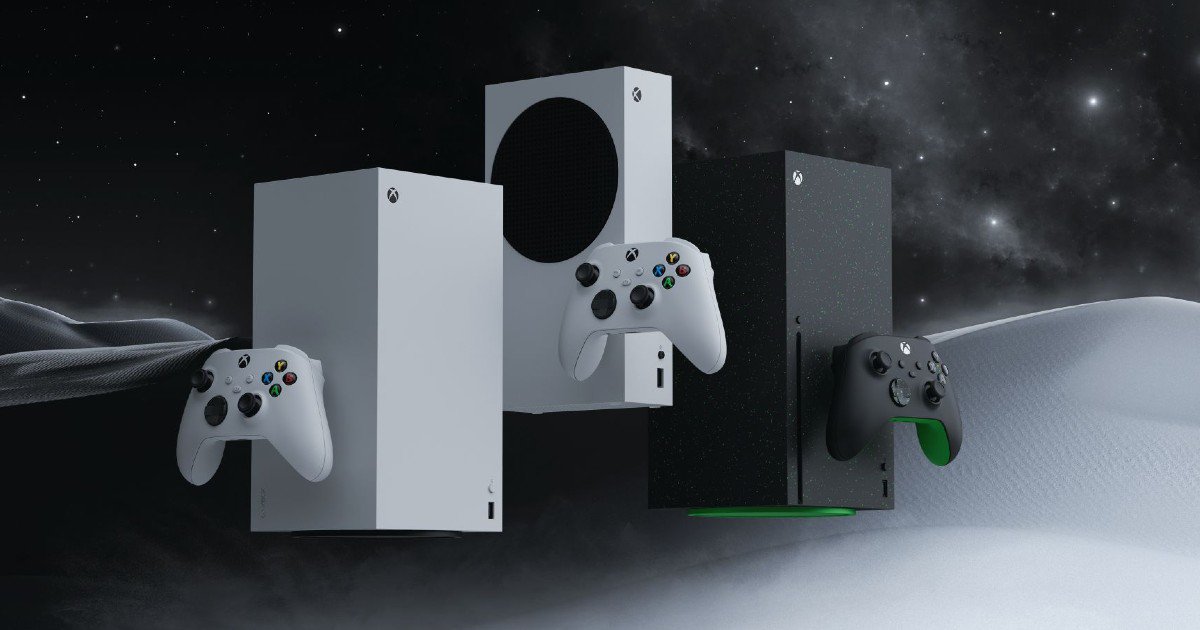
The recent decline in Xbox console sales has sparked a wave of discussion among gamers and industry observers alike. A reader's perspective suggests that Microsoft may need to rethink its entire strategy, without necessarily launching a new console. This sentiment reflects a growing concern that the Xbox brand is struggling to find its place in the competitive gaming market.
Over the past generation, the decline of Xbox has been a slow but steady process. The release of the Xbox Series X/S was met with disappointment, as many anticipated a significant shift in the gaming landscape. However, it became clear that the console was not able to capture the interest of gamers who were already invested in the PlayStation ecosystem. The lack of compelling launch titles further exacerbated this issue, leaving many consumers unimpressed with what was on offer.
The failure of Game Pass, which was expected to be a major draw for Xbox, has also contributed to the current situation. Despite Microsoft's acquisition of Activision Blizzard and other companies, these moves have not significantly improved the console's standing. In fact, the poor performance of Call of Duty, which had its worst year ever, has only added to the challenges faced by the company.
While it's easy to criticize large corporations, it's worth noting that Phil Spencer, the head of Xbox, has always aimed to do the right thing for the platform. Whether he was the right person for the job remains debatable, but the circumstances surrounding the Xbox brand have certainly been challenging. The question now is whether the Xbox experiment can be salvaged or if it's time to consider a different approach.
Two Possible Paths for Microsoft
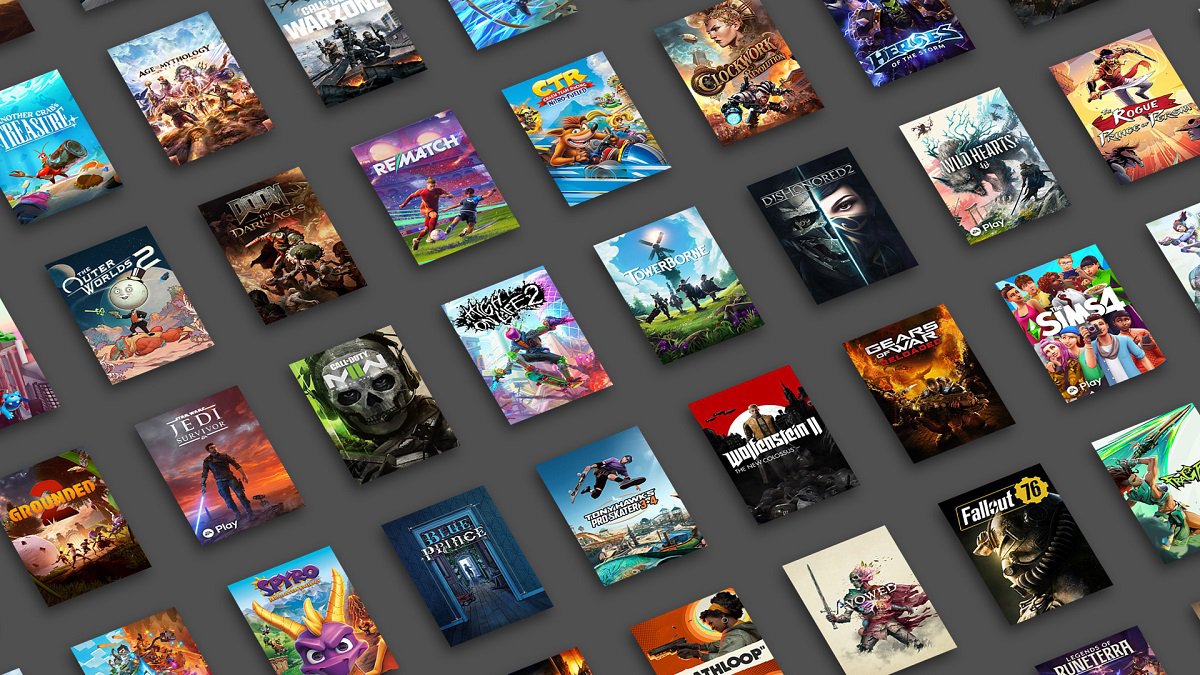
Looking at the current situation, there are two main options for Microsoft moving forward, and neither involves releasing a new console. The first option is to embrace the role of a third-party developer, similar to EA or Take-Two. This would involve creating games that are available on all platforms, rather than focusing solely on Xbox. While Microsoft has made some efforts in this direction, the company still seems to be chasing the idea of returning to the glory days of the Xbox 360.
This approach may not be ideal, but it could help Microsoft regain some relevance in the gaming industry. However, the name "Xbox" alone may not be enough to attract attention. The quality of the games and the overall experience will be key factors in determining success.
Another possibility is for Microsoft to sell off its games business. This could involve divesting assets such as Activision Blizzard and Bethesda, which have become a burden on the company's finances. The decline in revenue from Call of Duty and other titles makes this a difficult decision, but it may be necessary for the long-term health of the company.
Selling these assets could lead to a more focused approach for Microsoft, allowing the company to concentrate on other areas of growth. While this may not be the ideal outcome, it could provide a fresh start for both Microsoft and the gaming industry as a whole.
The Future of Xbox

Microsoft has been involved in the gaming industry for 25 years, but much of that time has been marked by challenges and setbacks. The company has struggled to maintain a strong presence in the market, and it's becoming increasingly clear that the Xbox brand may not be able to recover in the traditional sense.
The future of Xbox may depend on external factors, such as the success of game streaming. If this technology gains traction, it could provide a new avenue for Microsoft to explore. However, even in this scenario, the Xbox name may not be enough to attract a significant audience.
Ultimately, the decision to continue with the Xbox brand or to pivot towards a different strategy will be crucial for Microsoft's future. The company must evaluate its options carefully and make decisions that align with its long-term goals.
By considering these possibilities, Microsoft can take steps towards a more sustainable and successful future in the gaming industry. The path ahead may be uncertain, but with the right strategies in place, there is potential for growth and innovation.
