Top British Fighter Planes in History
The Legacy of British Fighter Aircraft
Great Britain has produced some of the most powerful and beautiful fighter aircraft in aviation history. These aircraft have played a significant role in shaping the course of global conflicts, particularly during the 20th century.
One of the most pivotal moments in the story of British fighter aircraft was the Battle of Britain in 1940. During this time, the Royal Air Force (RAF) successfully defended the United Kingdom against the Luftwaffe, the air force of Nazi Germany. This battle showcased the importance of British fighter planes in maintaining national security.
Selecting the top ten British fighter aircraft was no easy task. There are many other notable aircraft that could have been included, such as the Gloster Gladiator and the Fairey Fulmar. However, for the purposes of this list, we focus on ten exceptional fighters that have left a lasting legacy.
10: Hawker Hunter
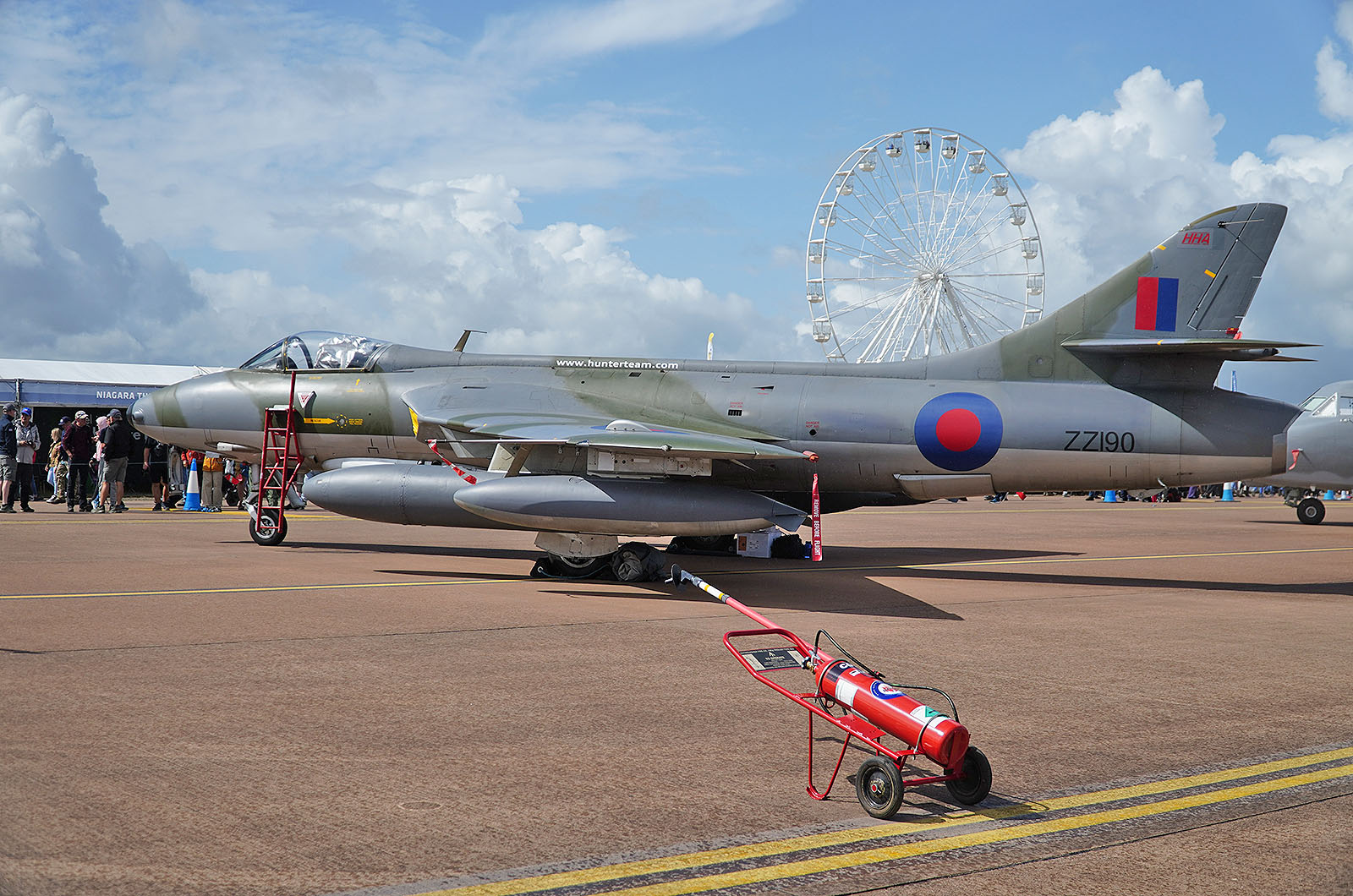
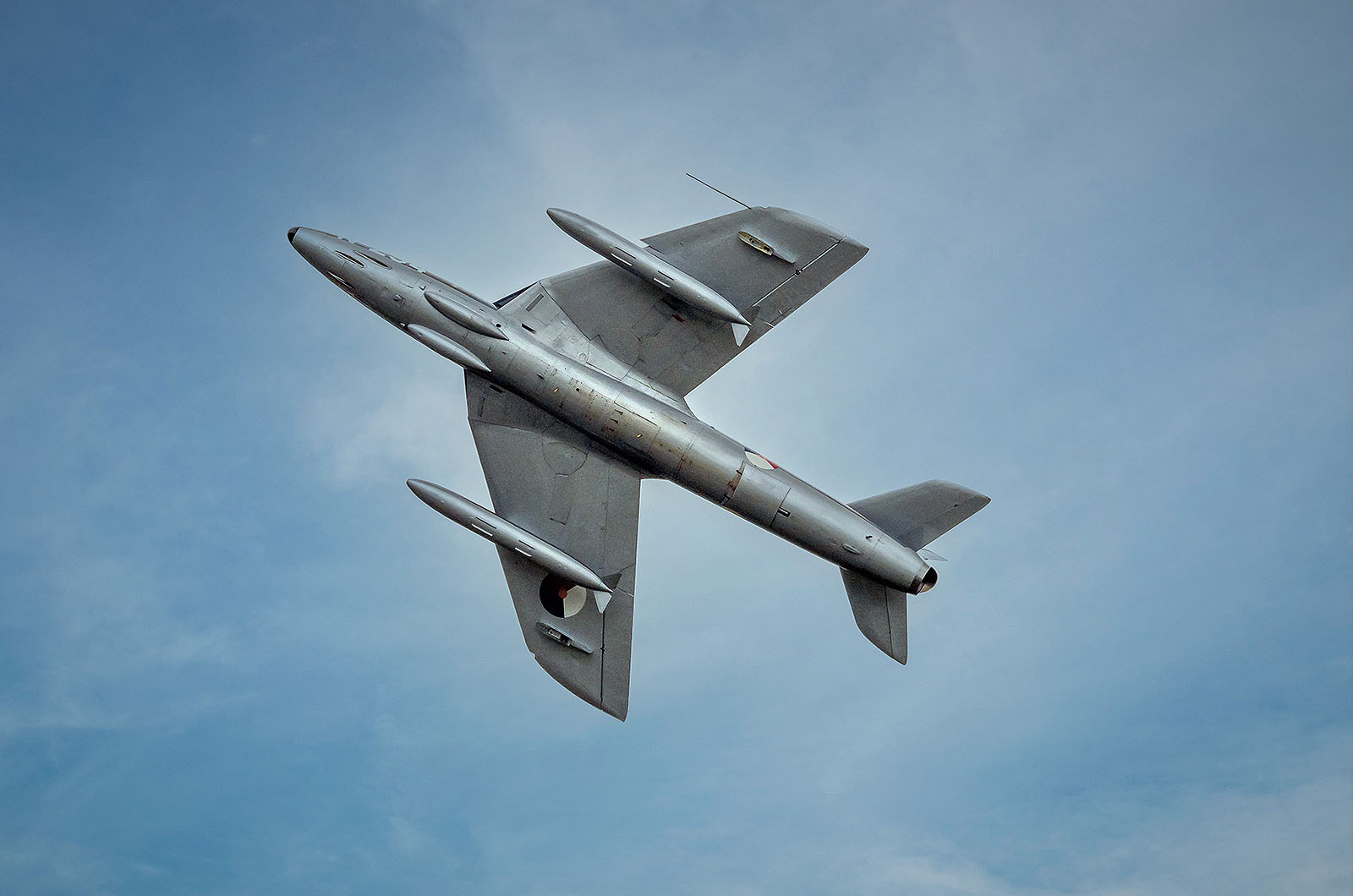
The Hawker Hunter is known for its elegance and ease of handling. Designed by Sydney Camm, the same designer behind the Hawker Hurricane, the Hunter was a transonic fighter-bomber that entered service in 1954. Before its official introduction, it made headlines when it set a new world speed record in 1953.
The Hunter was also a successful export model, with orders from 21 countries around the world. It saw combat in several conflicts, including the Indo-Pakistan Wars. A total of 1972 Hunters were built, and the last one was retired in 2014 after over six decades of service.
9: English Electric Lightning
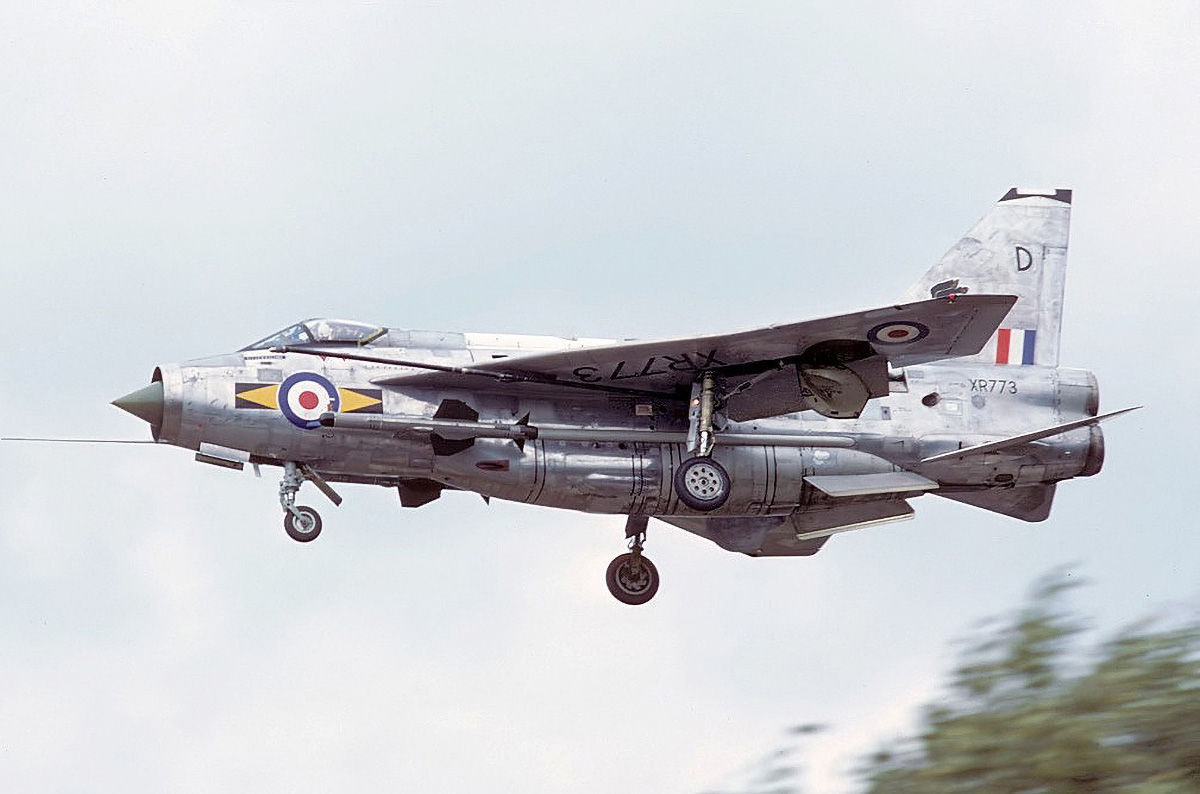
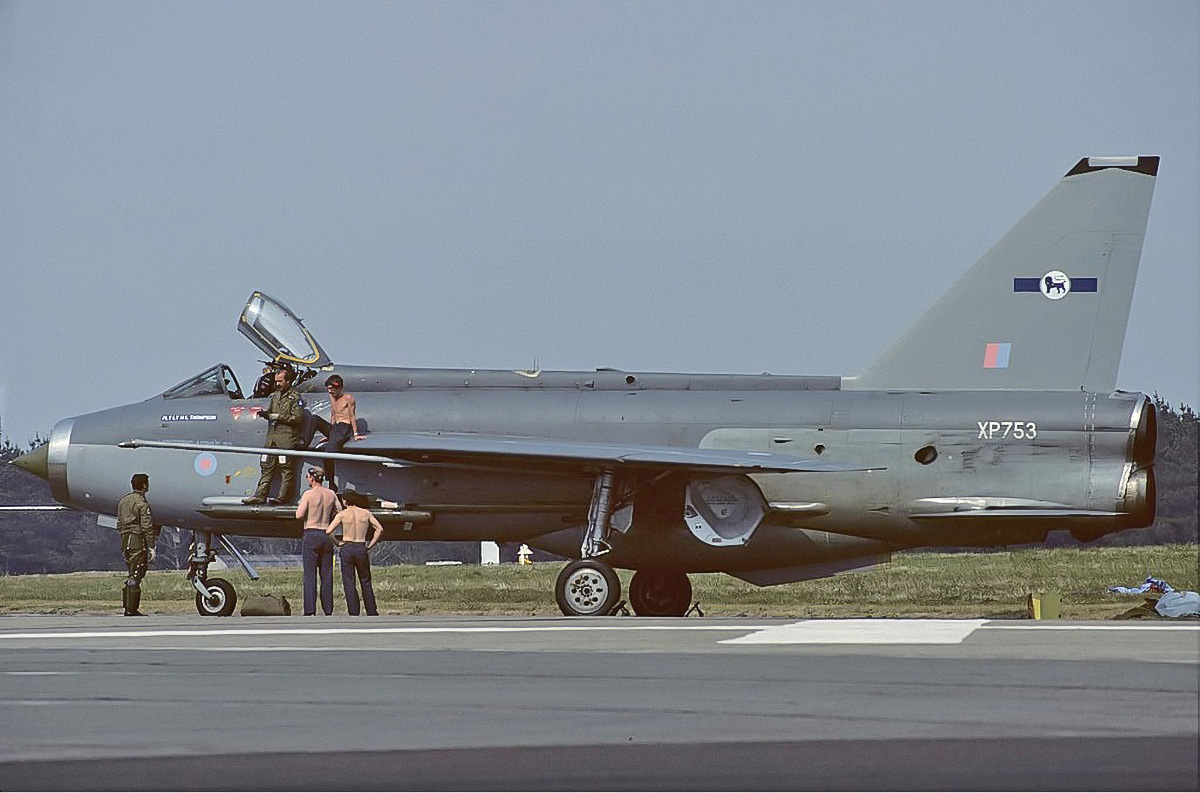
The English Electric Lightning was an ultra-high-performance interceptor fighter, known for its impressive climb rate, high speed, and maneuverability. It was the only operational aircraft to use stacked engines, a design that set it apart from other fighters of its time.
The Lightning had a unique design, featuring sharply swept-back wings with ailerons on the wingtips. Despite its high performance, the Lightning had limited endurance unless refueled in mid-air. It served as a critical deterrent during the Cold War and was retired from RAF service in 1988.
8: British Aerospace Sea Harrier
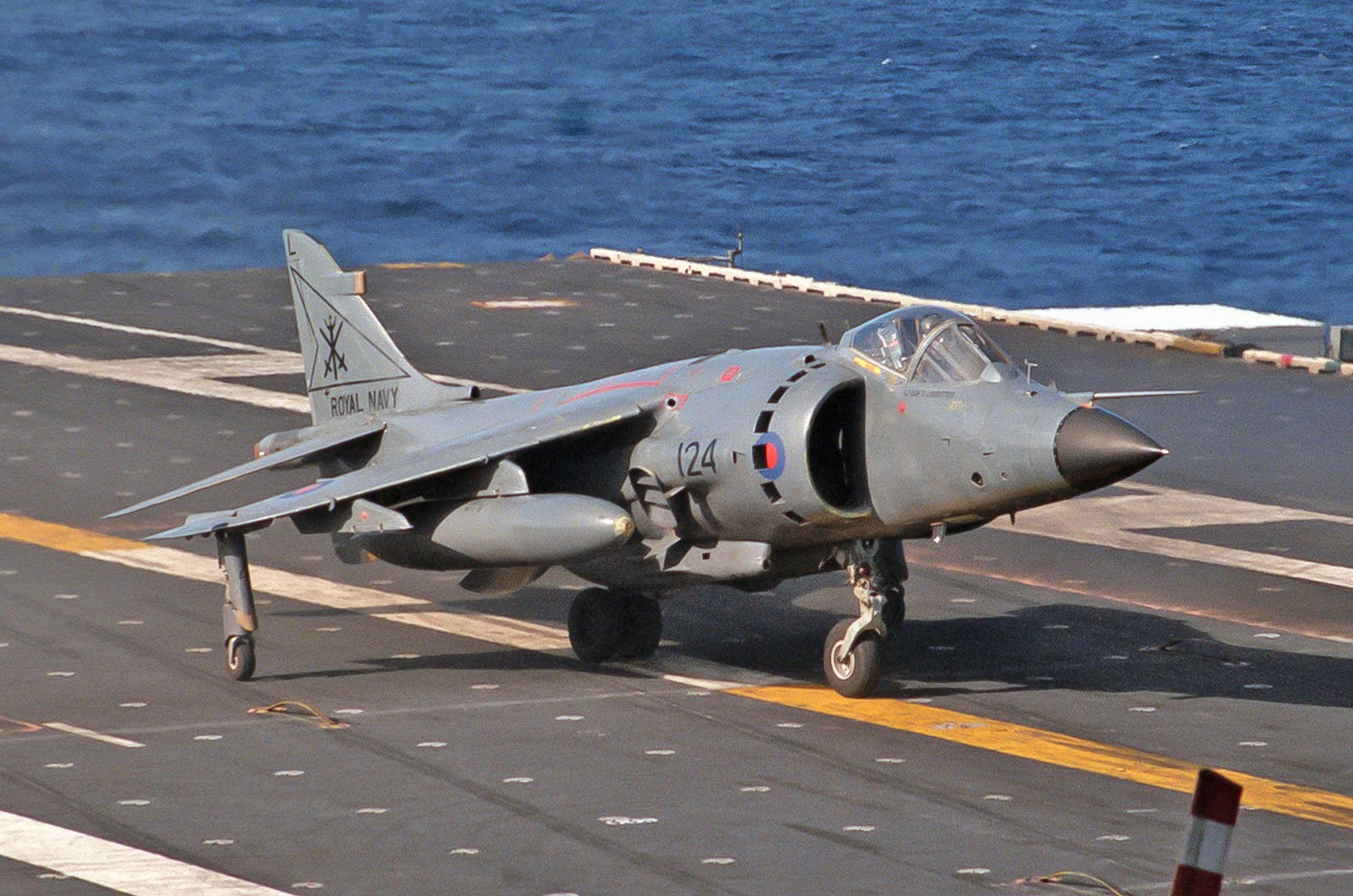
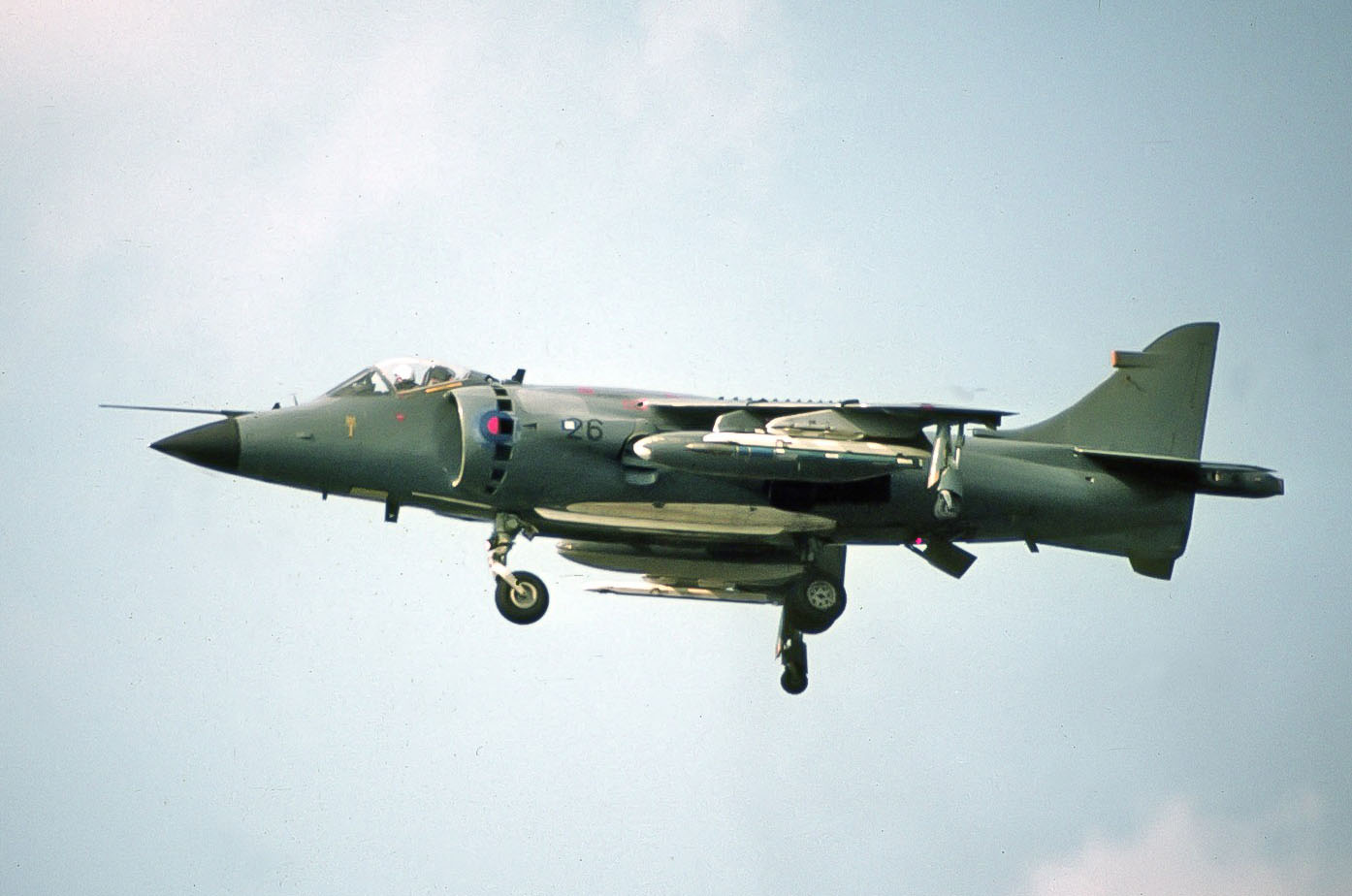
The Sea Harrier was Britain’s first operational vertical take-off and landing (VTOL) fighter-bomber. It was designed to operate from smaller aircraft carriers, offering flexibility in naval operations. The Sea Harrier proved its worth during the Falklands War in 1982, where it achieved 20 air-to-air victories without any losses.
After the war, the Sea Harriers were upgraded with advanced radar systems and missiles, ensuring their continued relevance. They remained in service until the early 2000s.
7: Sopwith Camel
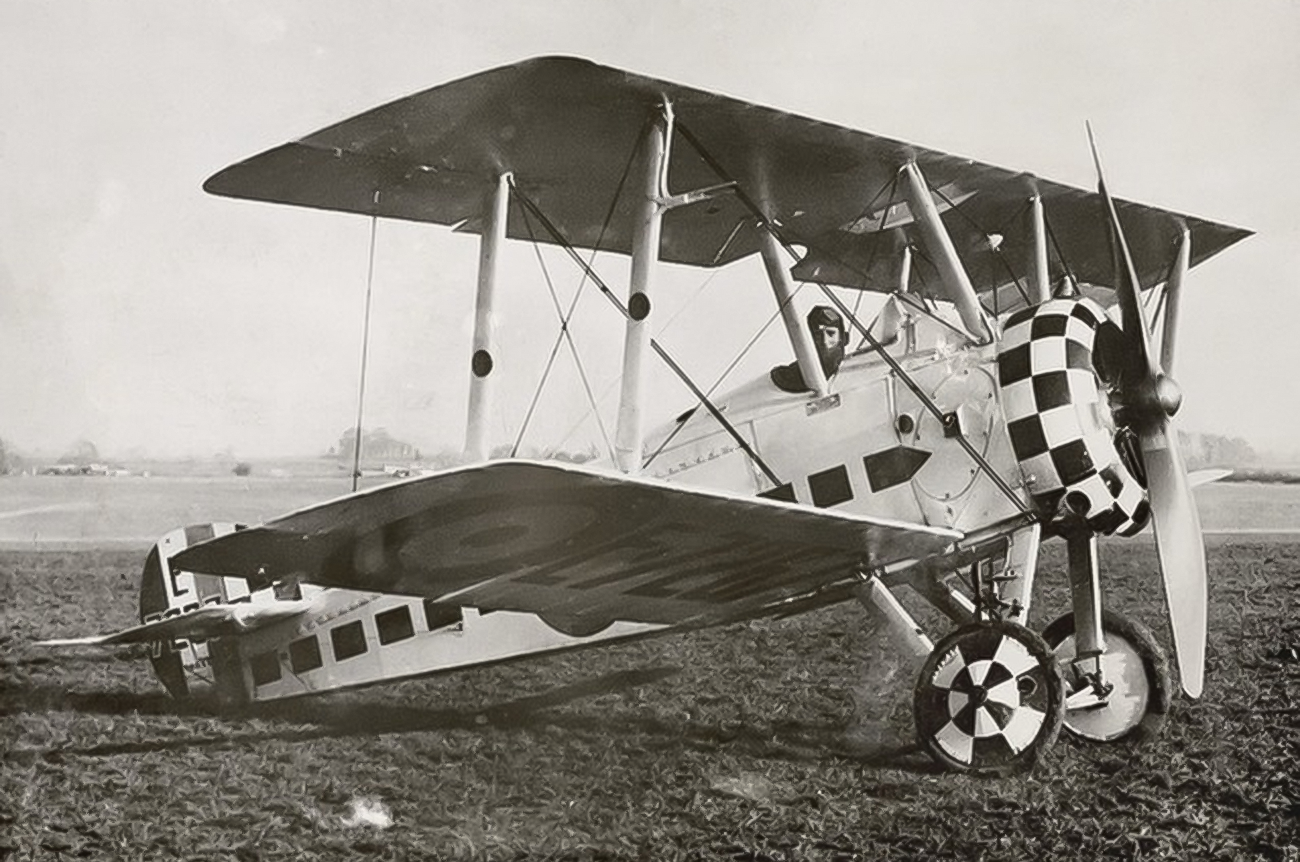
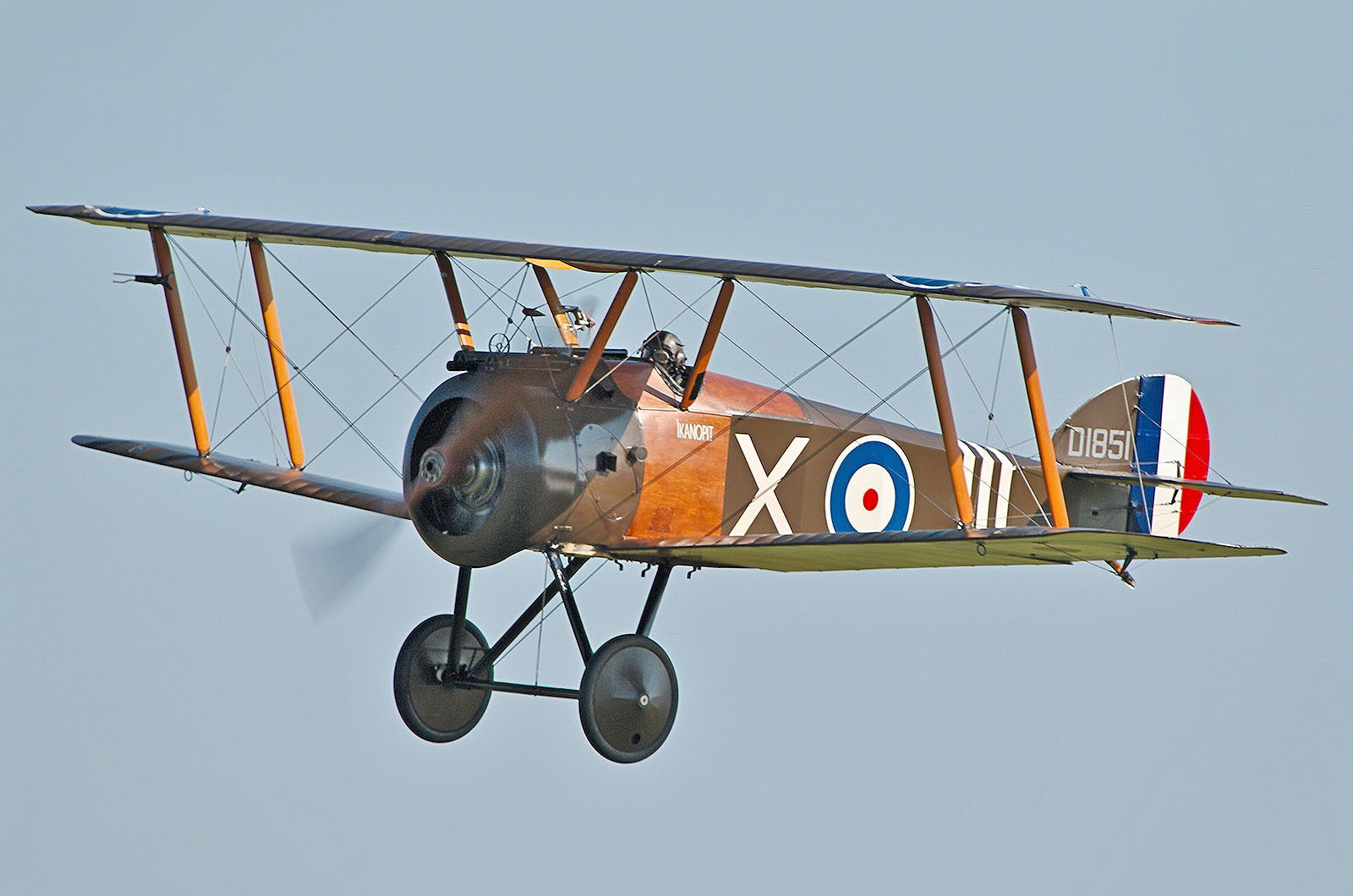
The Sopwith Camel was the most effective fighter of World War I, responsible for downing over 1,294 enemy aircraft. It was known for its exceptional maneuverability, although it was notoriously difficult to fly. Pilots often joked about the choice of a "wooden cross, the Red Cross or a Victoria Cross" when flying the Camel.
Despite its challenges, the Camel became a symbol of bravery and skill among pilots. Its impact on the outcome of the war cannot be overstated.
6: Hawker Sea Fury
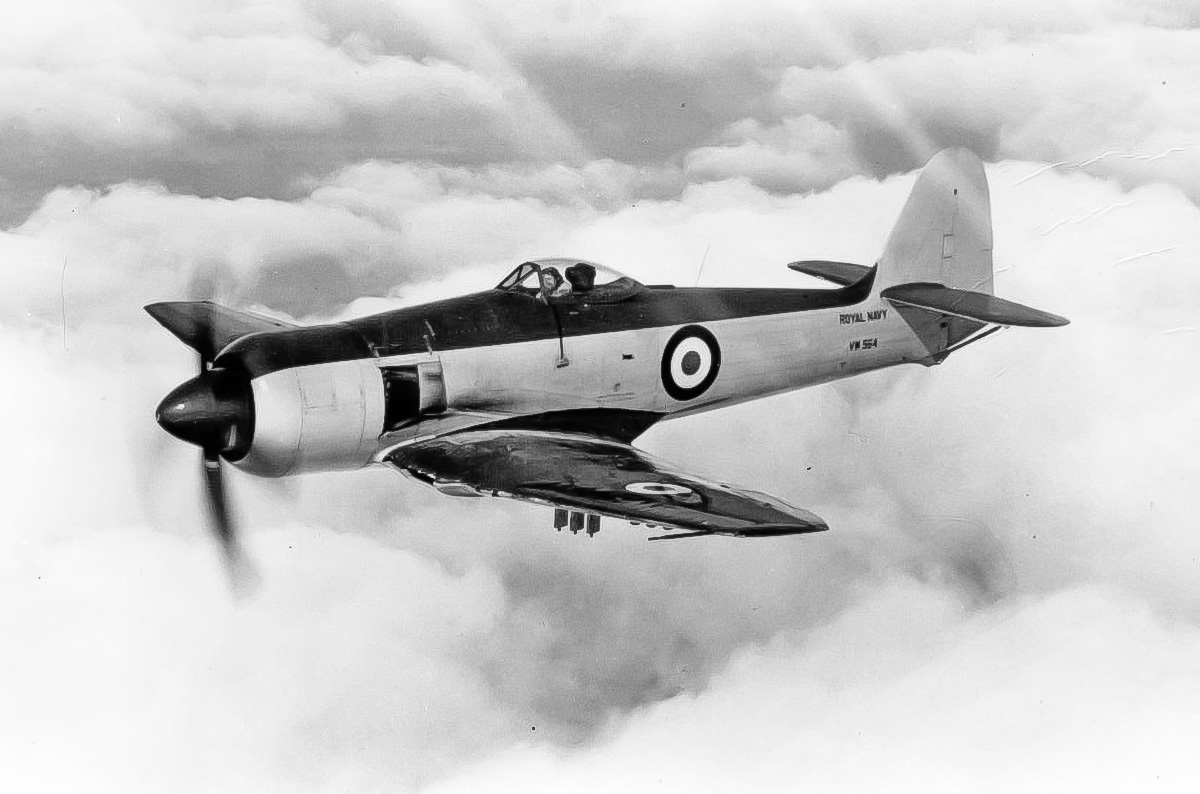
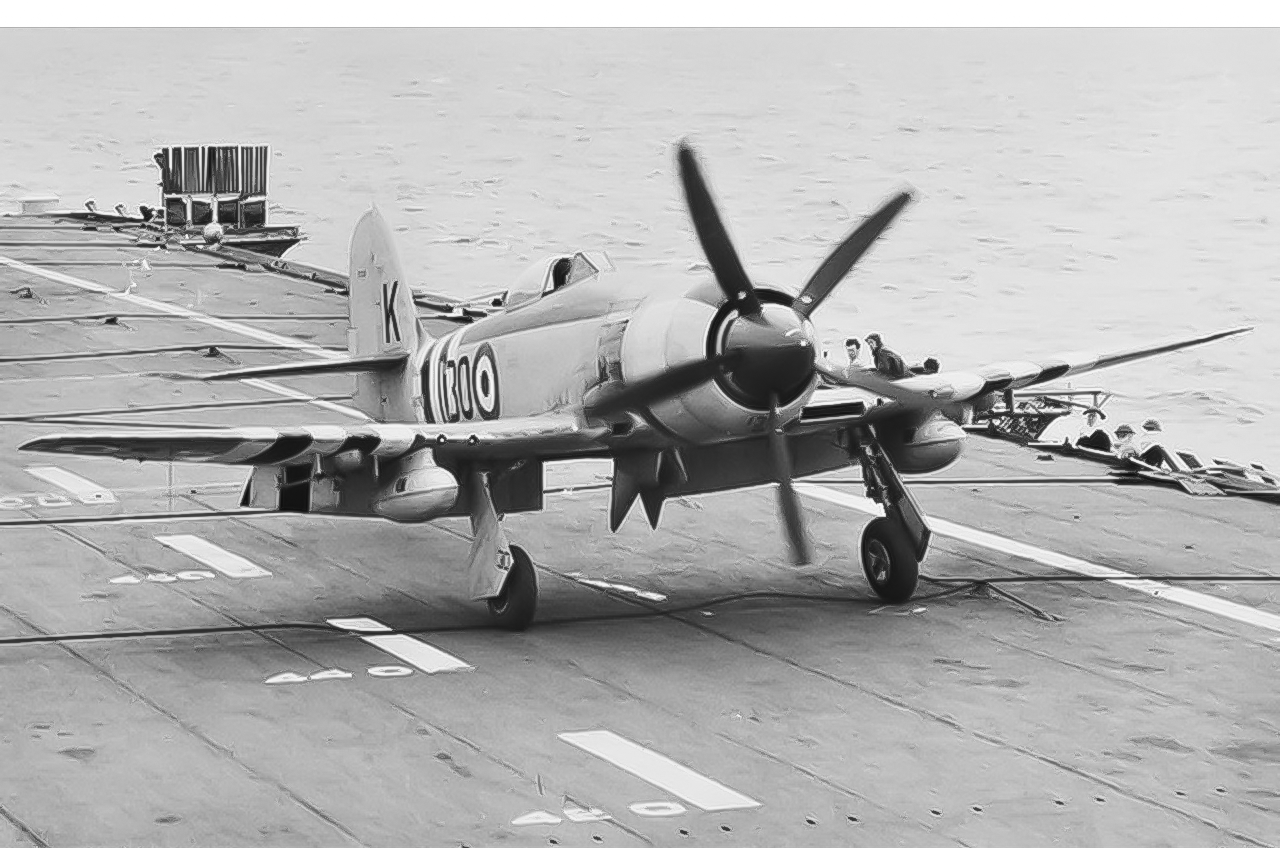
The Hawker Sea Fury was the pinnacle of piston-engined fighters. It was fast, powerful, and offered excellent handling. The Sea Fury was used in various conflicts, including the Korean War and the Bay of Pigs Invasion. It was also used by several international air forces.
With a total of 864 units produced, the Sea Fury was a versatile and effective fighter. It managed to shoot down at least one MiG-15 jet fighter during the Korean War, showcasing its capabilities against modern aircraft.
5: Gloster Meteor
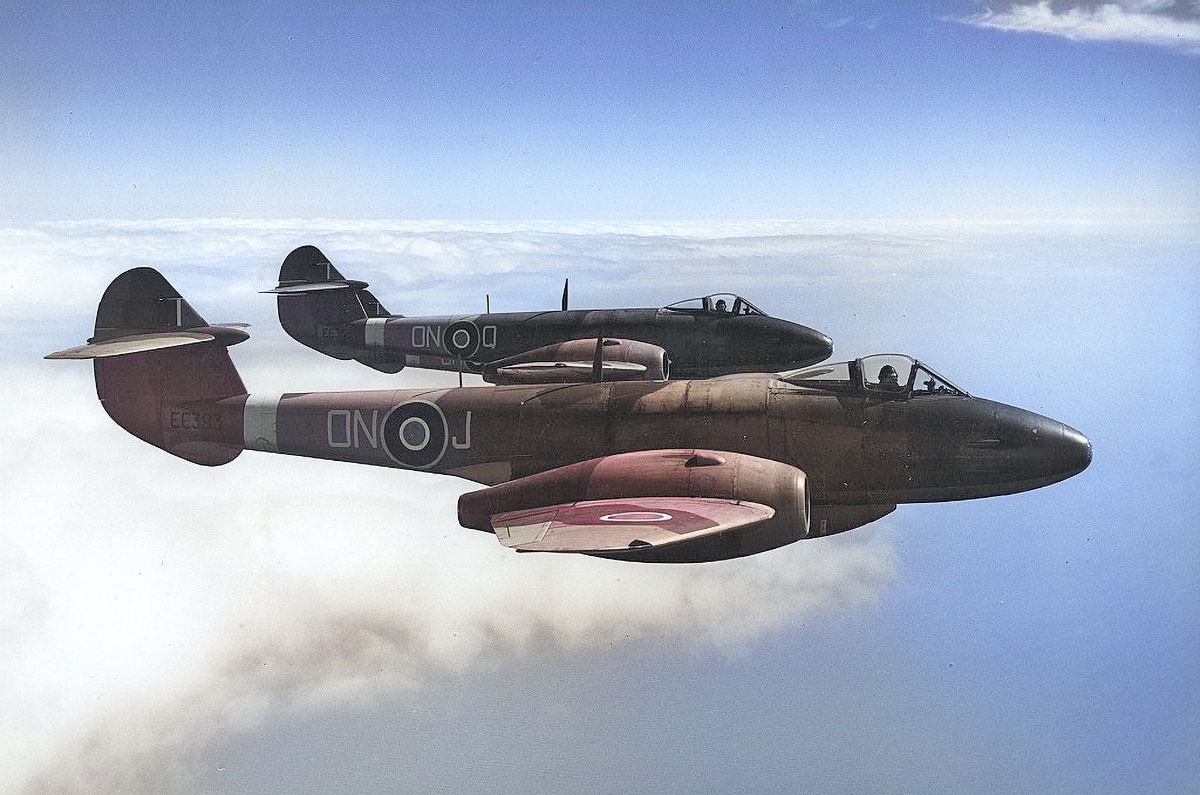
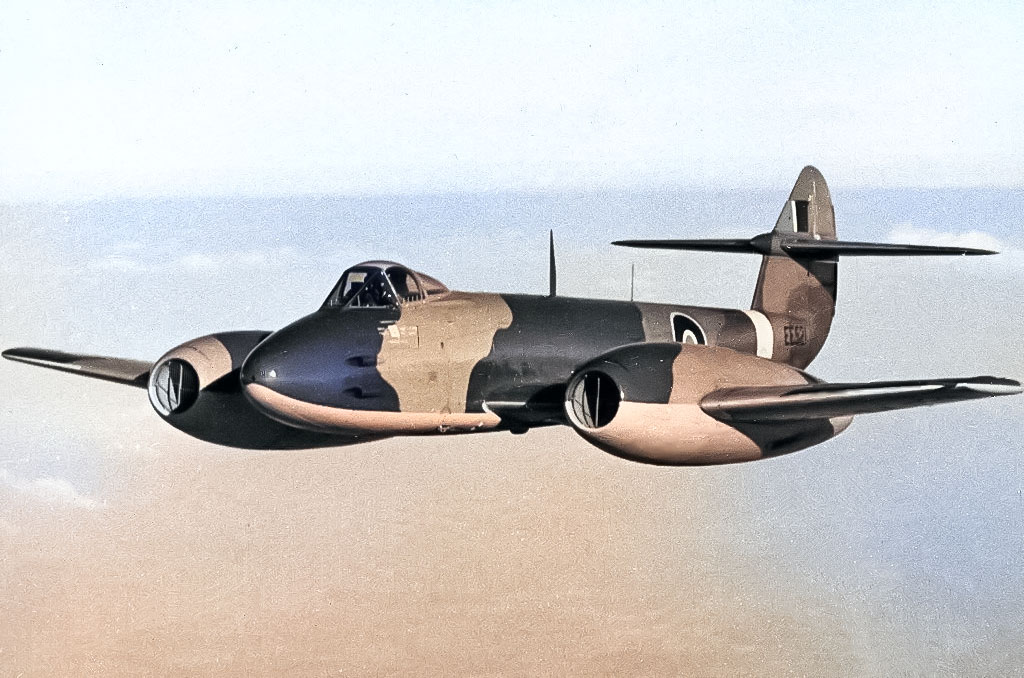
The Gloster Meteor was the first British jet fighter and the second jet fighter in the world. It first flew in 1943, just months after the German Me 262. The Meteor was used to intercept V-1 cruise missiles during World War II and played a key role in Britain’s air defense during the Cold War.
Although it was eventually outclassed by more advanced designs, the Meteor was a crucial step in the evolution of jet-powered aircraft.
4: Bristol Beaufighter
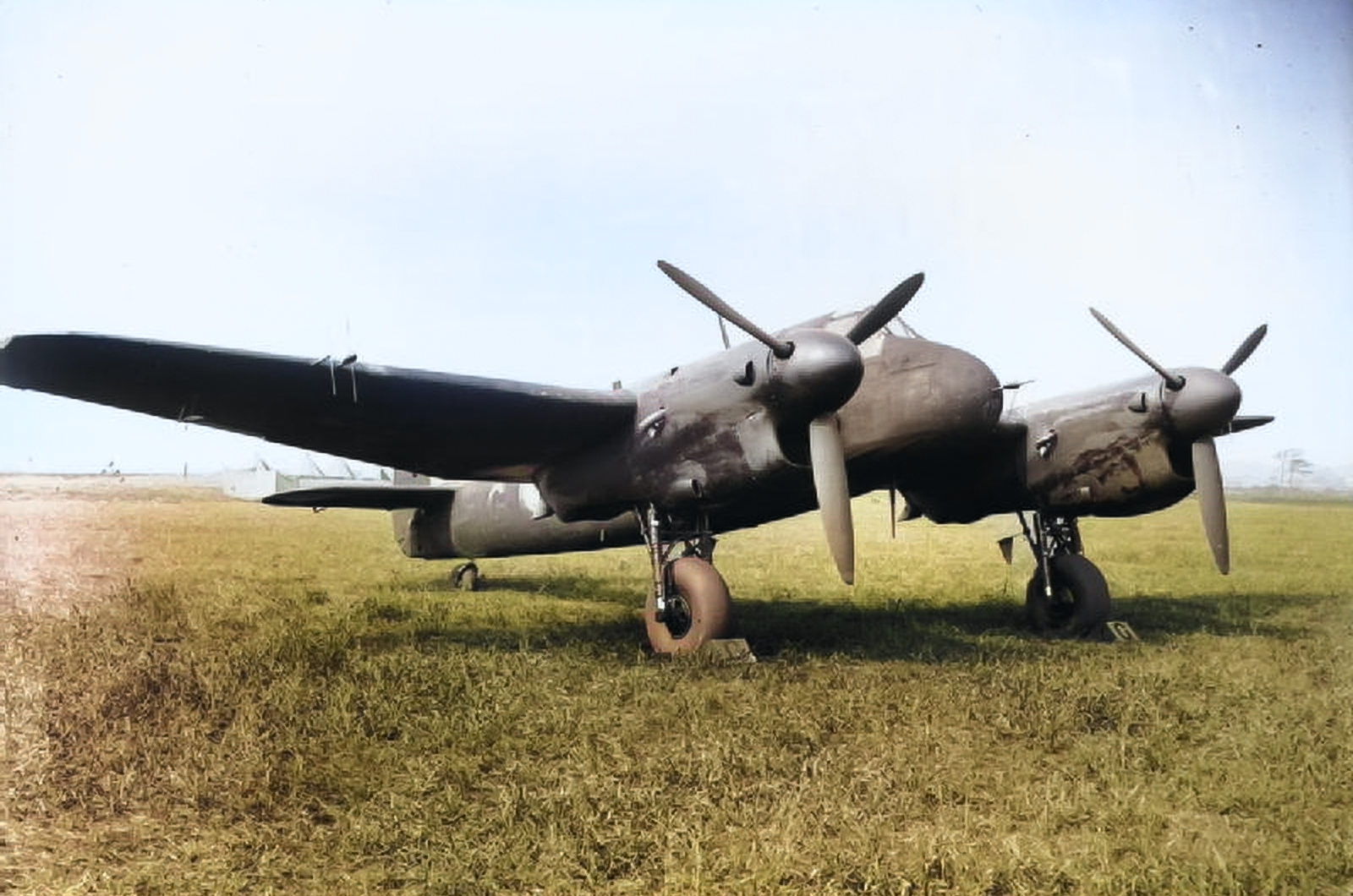
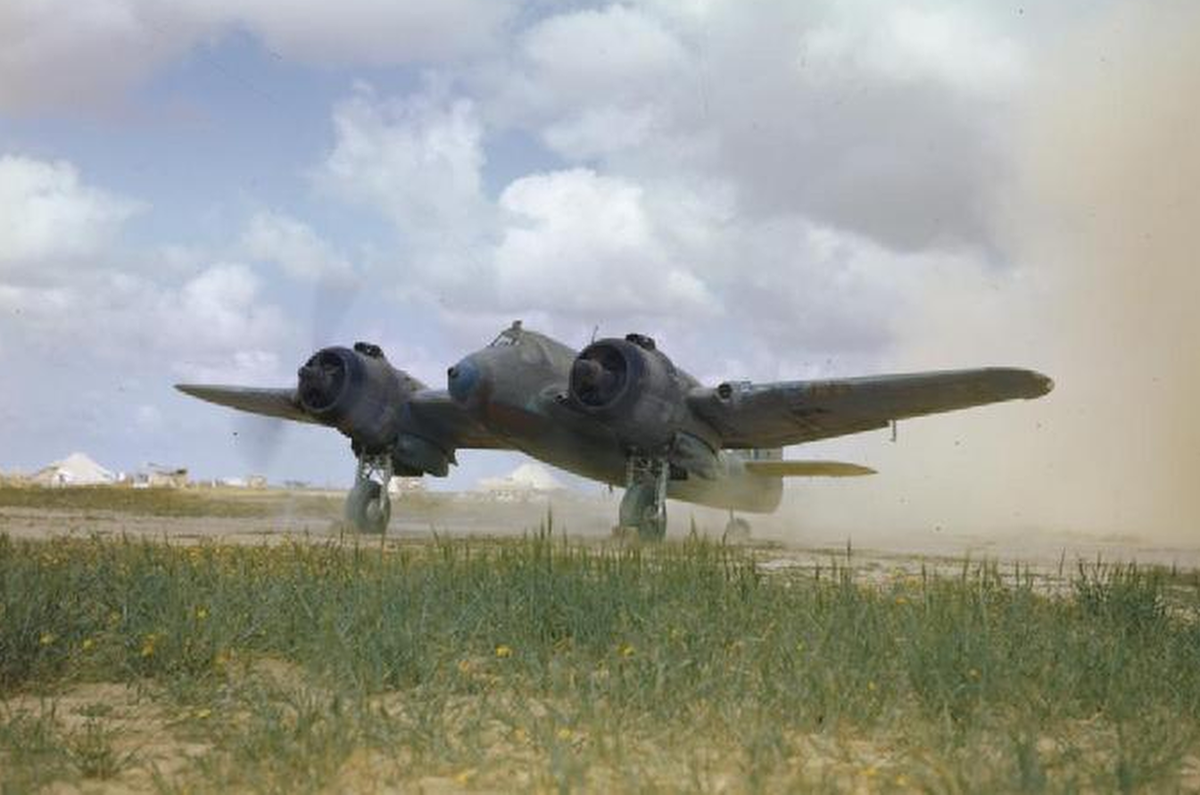
The Bristol Beaufighter was a rare example of a successful fighter developed from a bomber. It was equipped with heavy firepower and featured advanced technology such as Air Interception radar. The Beaufighter was an effective night fighter and also excelled in anti-shipping roles.
Its ability to carry large amounts of ammunition and its robust design made it a valuable asset during the war. It is estimated that the Beaufighter scored over 965 aerial victories.
3: de Havilland Mosquito
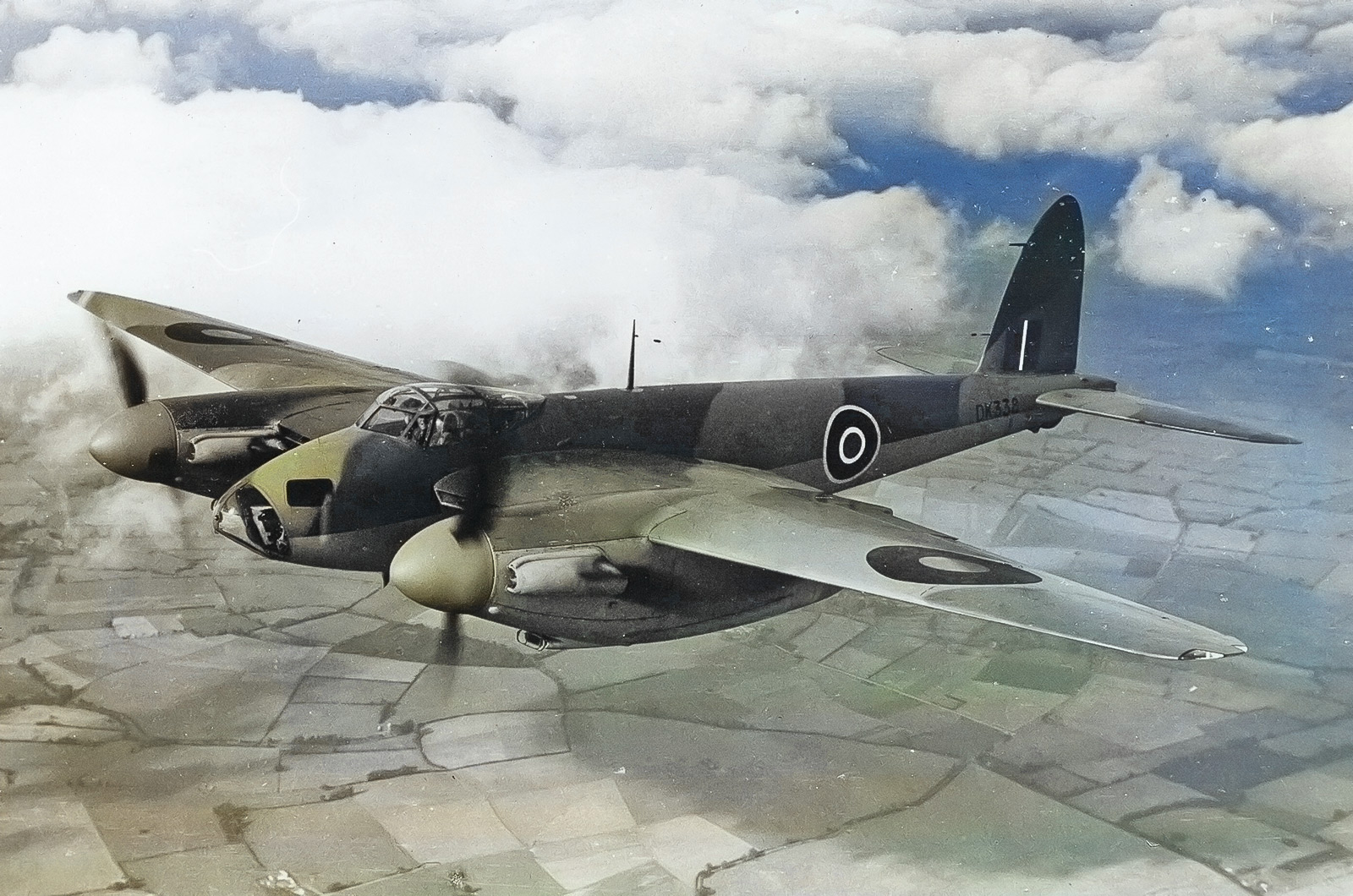
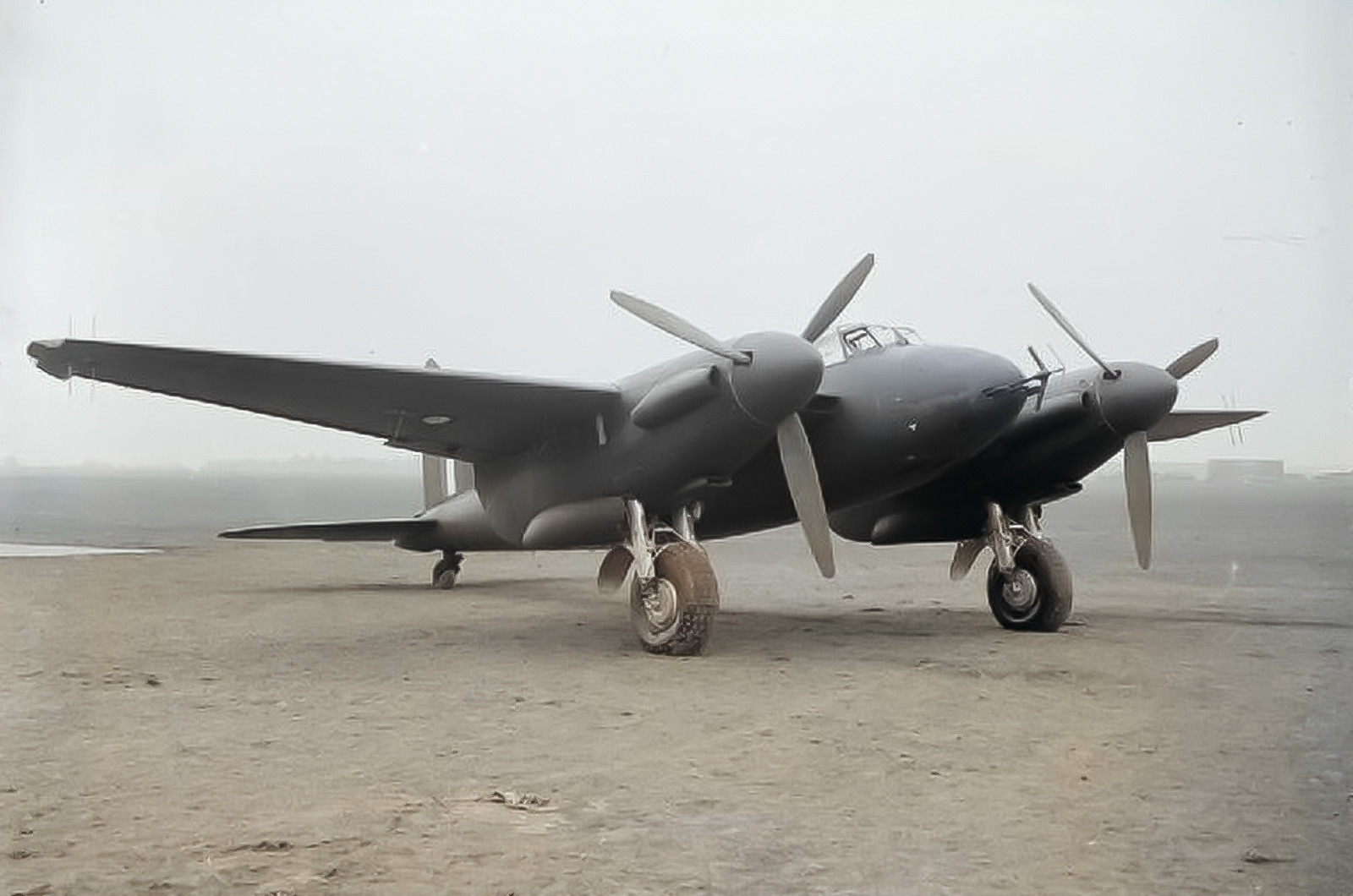
The de Havilland Mosquito was a highly versatile aircraft that combined speed, agility, and firepower. It was constructed using lightweight materials, allowing it to outrun many enemy fighters. The Mosquito was used in multiple roles, including as a night fighter and a ground attack aircraft.
Its success in combat led to claims that it may have achieved more aerial victories than the Beaufighter. The Mosquito remains one of the most iconic aircraft of the Second World War.
2: Hawker Hurricane
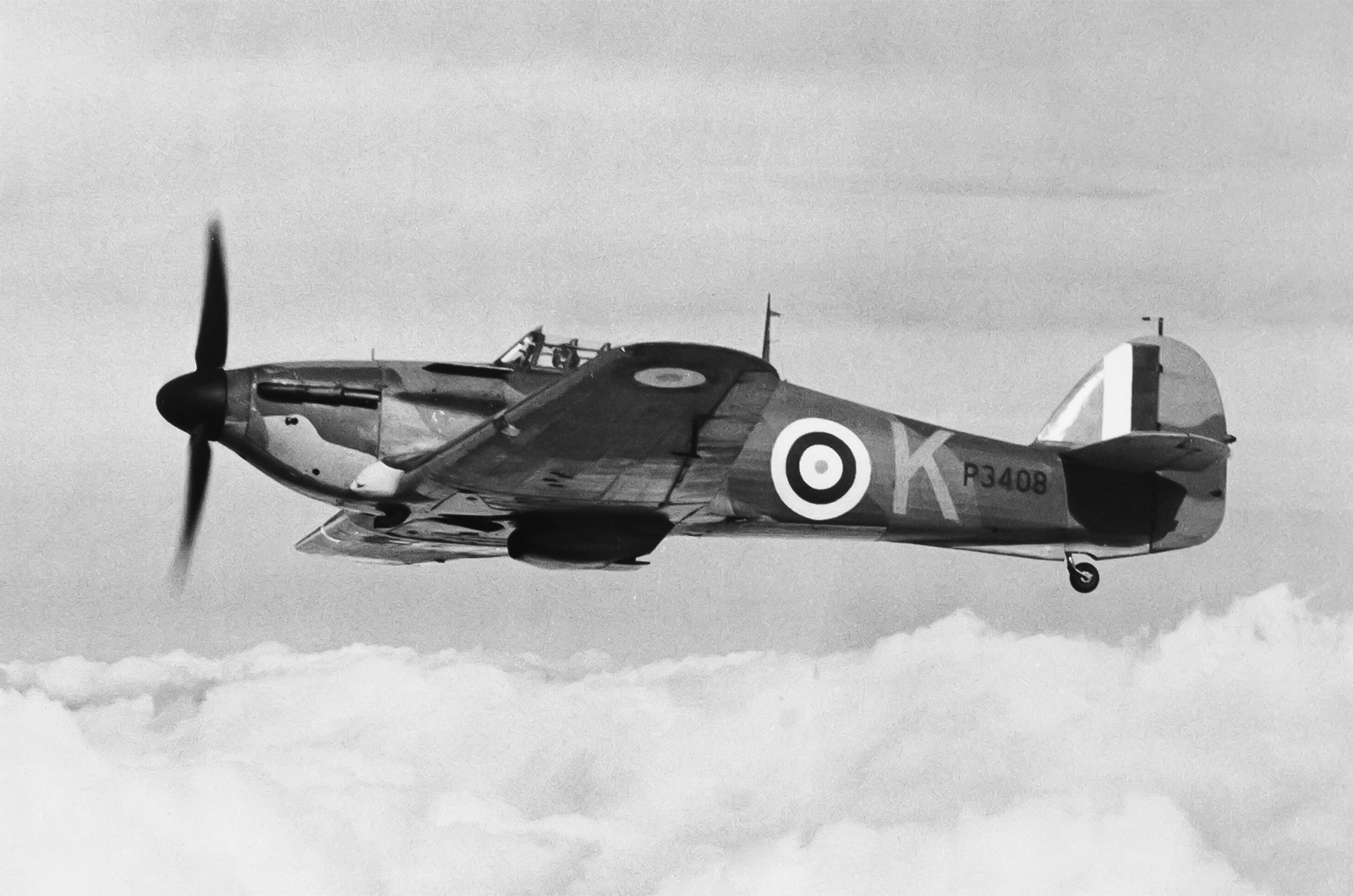
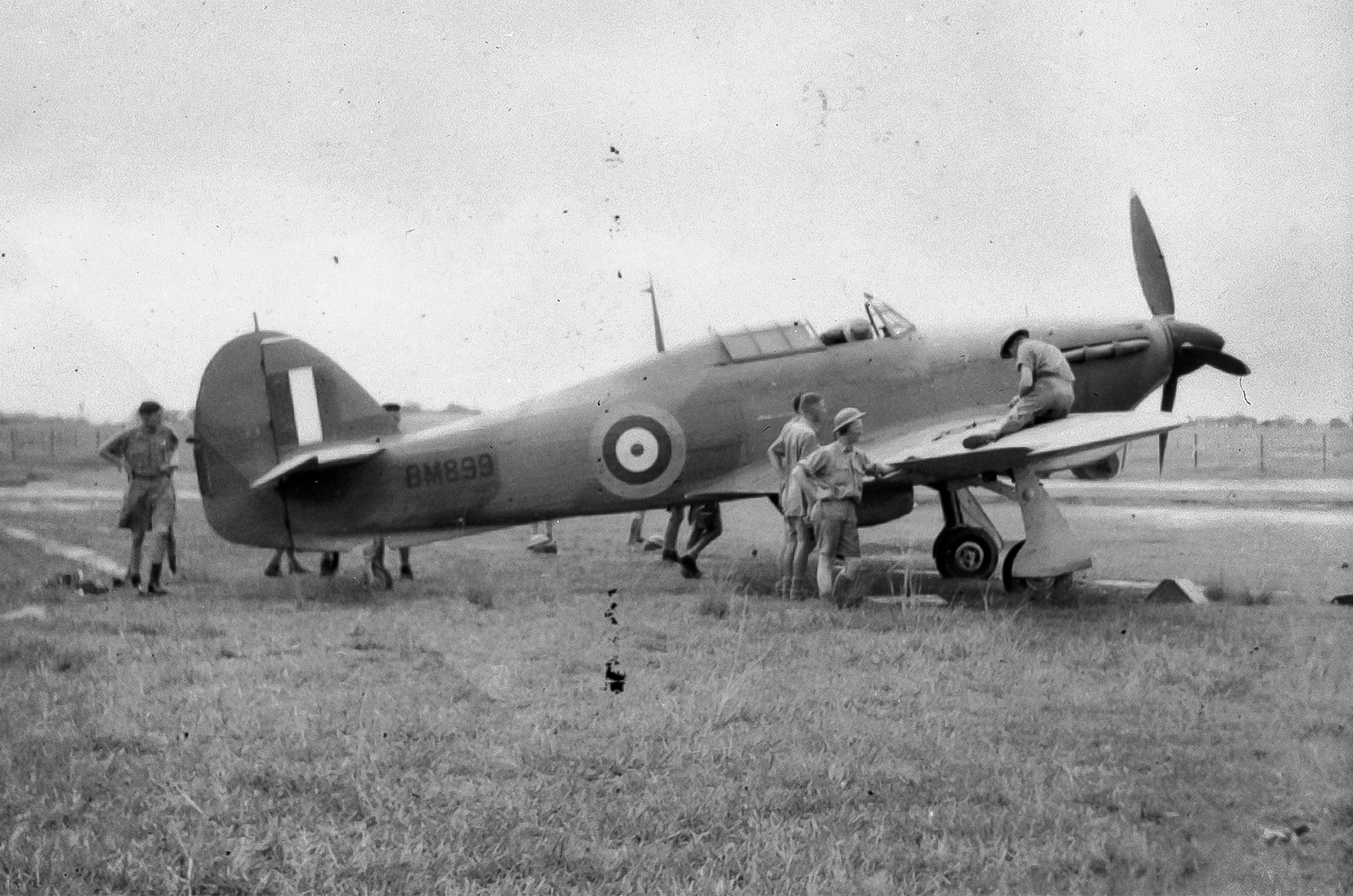
The Hawker Hurricane was the first monoplane fighter operated by the RAF and was capable of speeds over 300 mph. It played a crucial role in the Battle of Britain, where it accounted for more air-to-air kills than the Spitfire.
The Hurricane was easier to build and repair than the Spitfire and was preferred by some air forces, such as the Soviet Union. It was used in various roles, including ground attack and tank-busting.
1: Supermarine Spitfire
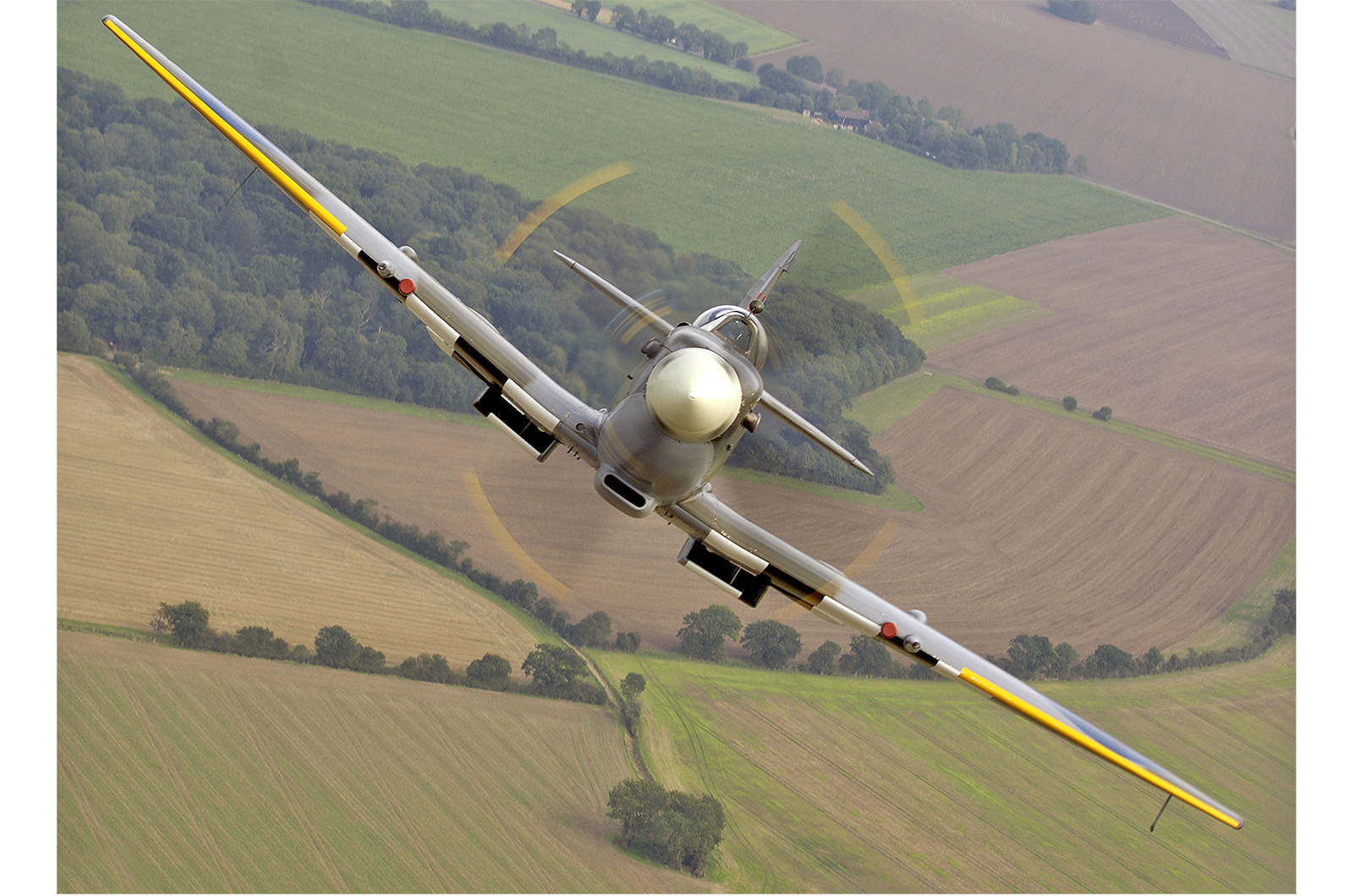
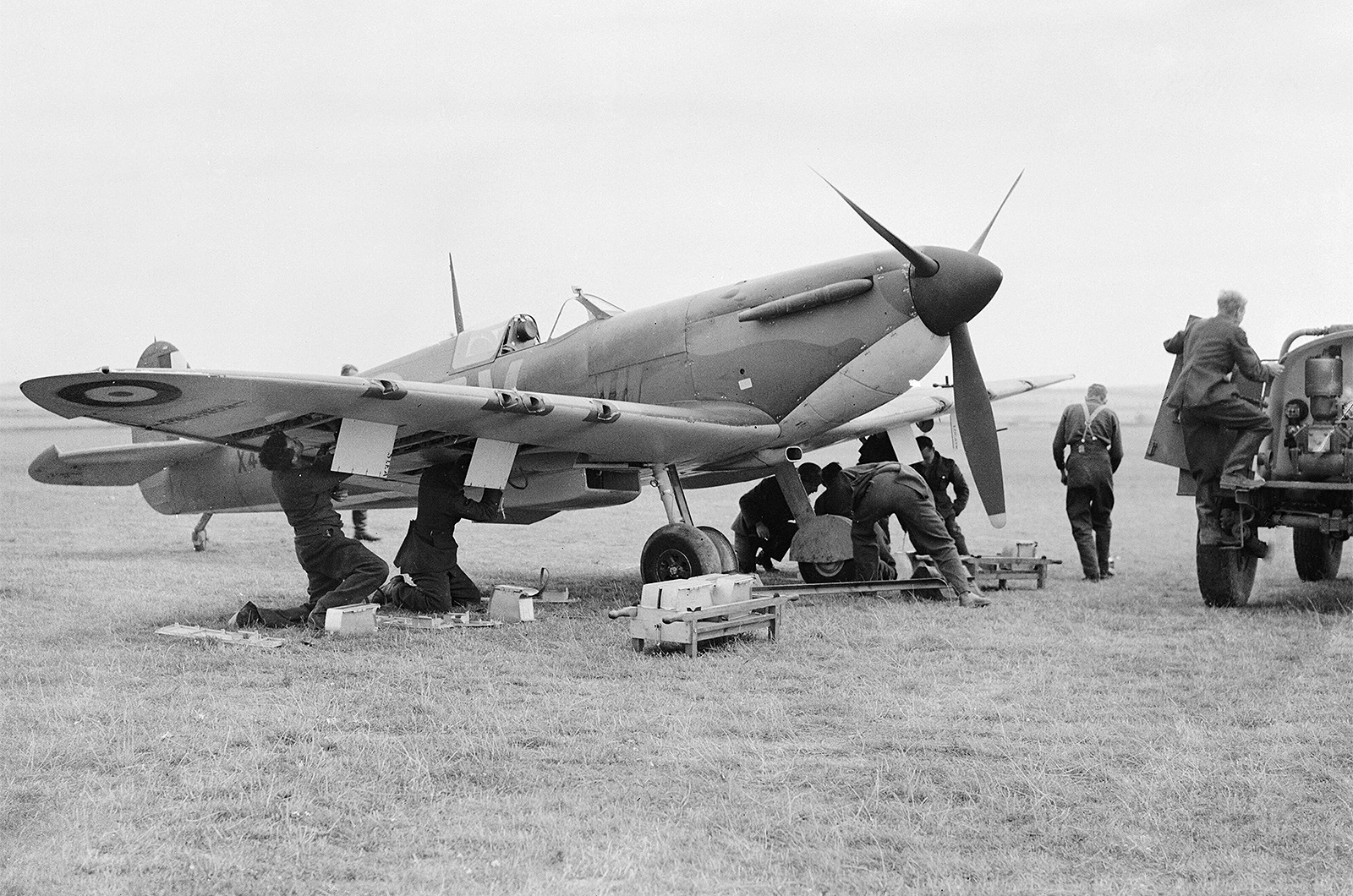
The Supermarine Spitfire is undoubtedly the most iconic fighter aircraft in British history. Known for its beauty, speed, and agility, the Spitfire played a vital role in the defeat of Nazi Germany.
It was the most produced British aircraft, with 22,685 units built. The Spitfire was responsible for more air-to-air victories than any other Allied aircraft, making it a symbol of resilience and excellence.