Nancy Guthrie Case: Authorities Investigate Pacemaker Tech in Search for Missing Mom

The Search for Nancy Guthrie and the Role of Technology
As the search for Nancy Guthrie continues, law enforcement and medical experts are turning to advanced technologies in an effort to locate her. Dr. Laurence Epstein, System Director of Electrophysiology at Northwell Health, has shared insights into how modern medical devices might play a role in the investigation.

Dr. Epstein explained that investigators are using “signal sniffers” to detect the Bluetooth signal from Guthrie’s pacemaker. While this technology could be useful, he emphasized that “a pacemaker is not a GPS chip.” The range of the signal is limited, which means it can only be detected within a short distance. However, he noted that some pacemakers are capable of transmitting health data to smartphones, which could offer additional clues in this case.
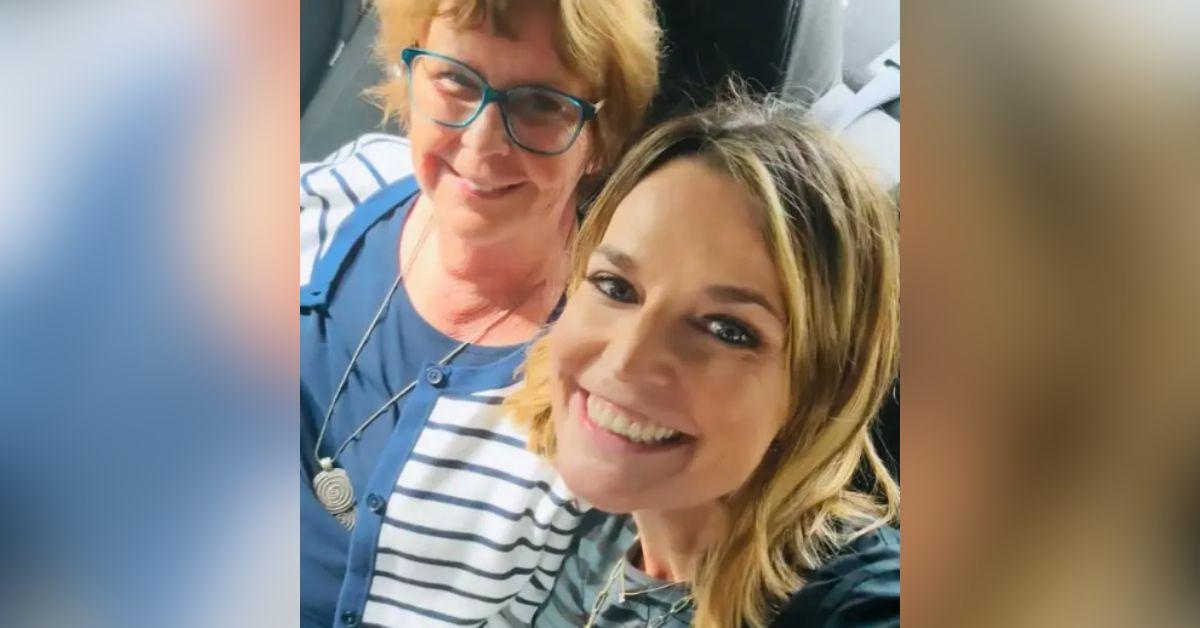
In Guthrie’s situation, her pacemaker was connected to her smartphone, but the connection was lost on February 1. According to Dr. Epstein, if the device is not in proximity to the smartphone for more than 24 hours, it becomes untraceable. Despite this, he clarified that the pacemaker itself continues to function normally. “It doesn’t need that connection to function,” he stated.
A Disappearance That Has Captured National Attention
Nancy Guthrie, an 84-year-old woman and mother of Today host Savannah Guthrie, has been missing since February 1. She was last seen after being dropped off at her home in Arizona the previous evening. Her disappearance has led to a significant response from local and federal authorities.
Law enforcement released surveillance footage showing a masked individual on Guthrie’s front porch. The suspect has not yet been identified, and authorities describe him as approximately 5 feet, 9 inches tall. In a recent post on X, the FBI confirmed that new details have emerged from forensic analysis of doorbell camera footage. The suspect is described as a male with an average build, wearing a black backpack.
Advancements in Pacemaker Technology
Dr. Epstein also highlighted the advancements in pacemaker technology, emphasizing how remote monitoring has transformed patient care. In the past, patients needed regular check-ups every three months. Now, with remote monitoring, healthcare providers can receive data about a patient's condition within 24 hours. This development allows for quicker intervention and improved safety for patients.
The ability to monitor a pacemaker remotely has become a critical tool in modern medicine. It enables doctors to detect potential issues before they become serious, reducing the need for frequent in-person visits. This technology has proven especially valuable in cases where a patient may be unable to travel or is in a vulnerable situation.
The Broader Implications of Medical Technology
While the use of pacemaker technology in this case is still in its early stages, it raises important questions about the role of medical devices in personal safety. As these devices become more integrated with everyday technology, their potential applications extend beyond traditional healthcare settings.
For example, the ability to track a pacemaker’s signal could one day be used to locate individuals in emergency situations. However, as Dr. Epstein pointed out, there are limitations to what these devices can do. They are not designed for location tracking, and their signals are not as strong or reliable as GPS systems.
Despite these limitations, the continued evolution of medical technology offers promising possibilities. As researchers and engineers work to improve these devices, the line between healthcare and personal safety may become increasingly blurred.
Conclusion
The search for Nancy Guthrie remains ongoing, and authorities are exploring all available tools to find her. The use of pacemaker technology in this case highlights both the potential and the limitations of modern medical devices. While these innovations have revolutionized patient care, they are not a substitute for traditional investigative methods.
As the investigation continues, the public will be watching closely to see how new technologies can contribute to solving this case. For now, the focus remains on finding Nancy Guthrie and bringing her safely home.
