A 78-Year-Old Retiree's AI Journey: Tech Skills Beyond the Workforce
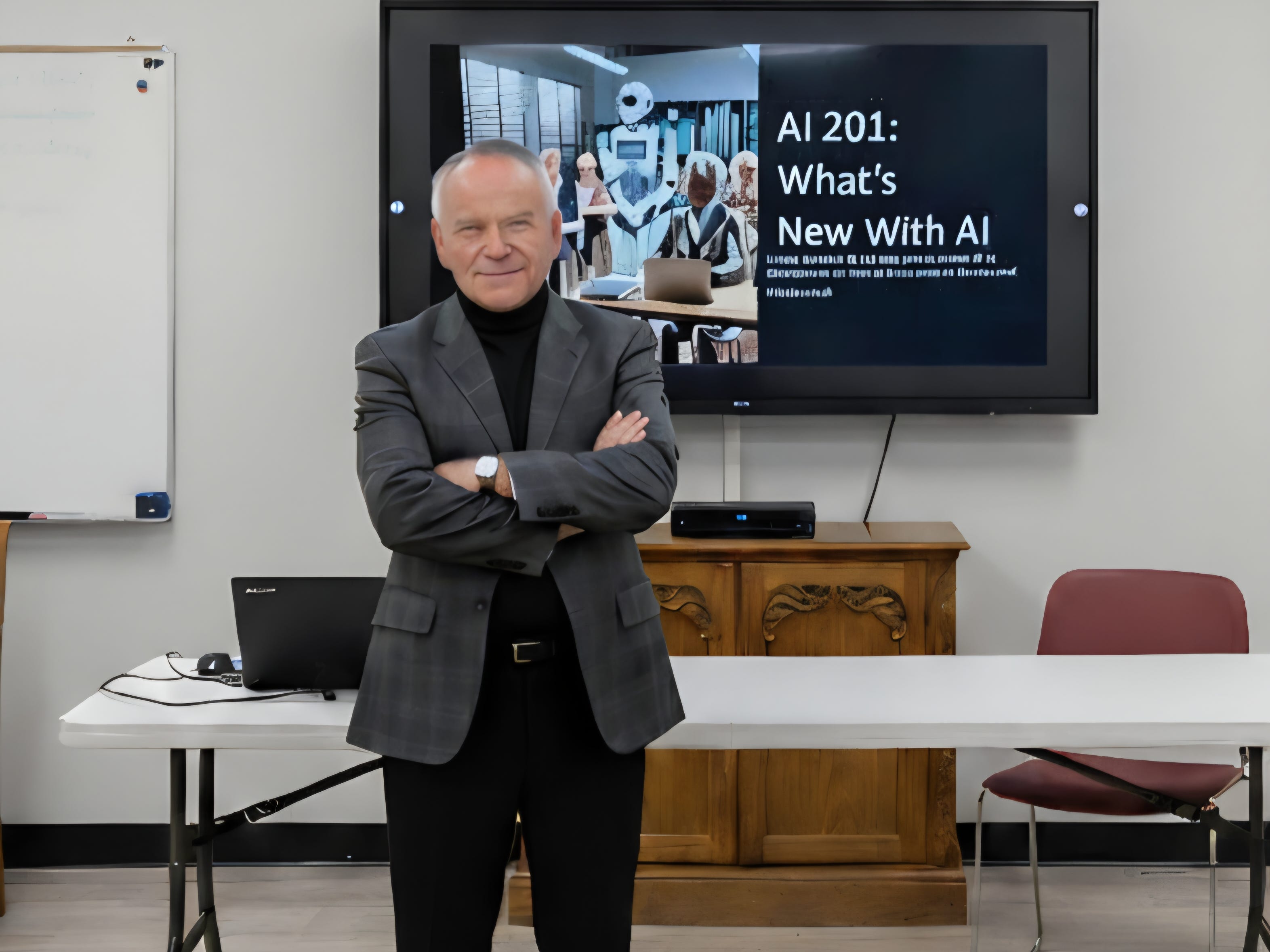
A 78-Year-Old Tech Enthusiast Embraces AI and Vibe Coding
At 78, Lewis Dickson is not just keeping up with the latest advancements in technology — he's actively shaping them. His passion for tech has never waned, and he continues to explore new tools like vibe coding and artificial intelligence (AI). For Dickson, technology isn't just a career or a hobby; it's a source of purpose and joy.
Dickson has spent decades in the technology industry, working for IBM in the late 1970s and later providing consulting services to a Fortune 500 company in Atlanta from 2015 to 2024. Over the years, he has trained engineers and customers, sharing his expertise and knowledge. Now, in semi-retirement, he finds that technology remains a fun and engaging pursuit.
When ChatGPT was released, Dickson quickly jumped on board. He became particularly interested in vibe coding when it gained popularity about six to eight months ago. After researching, he discovered Emergent, a platform that offered a full stack solution without requiring external developers. This allowed him to start coding immediately and build several apps.
So far, Dickson has created around a dozen vibe-coded applications. One of his more recent projects involved an AED company that needed a way to access data from their existing camera provider's website. Using vibe coding, he developed an app that could extract the necessary information. He also built an AI voice app for the same company, which allows users to check the status of AED devices by asking a simple question through a web app.
When he first demonstrated the app to the CEO, the reaction was enthusiastic. The CEO was impressed and thought it was one of the coolest things he had ever seen.
Older People Can Move Just as Fast
Many people assume that someone in their 70s would be using a flip phone or have limited technological skills. However, Dickson's experience shows otherwise. He started as a ham radio operator at age 13, using Morse code on tubes, transmitters, and receivers. From there, he witnessed the evolution of technology, from early phones to modern smartphones, and now to AI.
While many young people today focus on software, Dickson emphasizes the importance of understanding hardware. His broad background gives him a unique perspective that helps him navigate the tech landscape effectively.
There is often a misconception that older individuals are out of touch with modern technology. While this perception exists, Dickson believes it's not always accurate. Many seniors have adapted just as quickly as younger professionals, bringing valuable experience and strategic thinking to the table.
For Dickson, retirement has never meant losing purpose. He has always found fulfillment in technical pursuits, constantly learning and exploring new tools. Staying updated requires him to watch a lot of YouTube and social media, following the latest trends and developments in AI.
Teaching Seniors About AI
In addition to his personal exploration of AI, Dickson is now teaching it to seniors in assisted living centers. In a class held in November, he discussed topics such as data centers and the underlying infrastructure of AI. One of his students, a 100-year-old woman named Sue, asked a thoughtful question about semiconductors.
Dickson, who has a strong hardware background, explained the concept in a way that was accessible. Sue listened intently and took notes, showing her eagerness to learn. Inspired by her curiosity, Dickson created a video that traced the evolution of technology, starting from tubes in the 1920s and 1930s, through radios and TVs, and into the era of transistors in the 1940s and 1950s.
The seniors Dickson teaches have since taken their newfound knowledge and applied it in practical ways. They now manage their internal resident newsletter using AI, helping to write articles and generate images. They also use AI for everyday tasks like shopping, searching for bargains, and researching products.
Additionally, Dickson has shown them how to identify plants and birds using AI tools. Seniors can take pictures of flora and fauna in their gardens and ask platforms like ChatGPT or Gemini for assistance.
The Future of AI and Aging
Dickson's story highlights the potential for older adults to embrace and benefit from AI. His journey demonstrates that age does not limit one's ability to learn and adapt. By combining experience with a willingness to explore new technologies, seniors can continue to contribute meaningfully to society.
As AI continues to evolve, its impact will extend beyond the workplace and into everyday life. With educators like Dickson leading the way, more seniors may find themselves empowered to use these tools for personal and community growth.
