Engineering Students Link Road Collapse to Traffic Vibrations
Structural Failure at Construction Site in Nairobi: Preliminary Findings Released
A recent structural failure at a construction site along Kirinyaga Road in Nairobi's Central Business District has drawn attention from engineering and architecture students. The Association of Engineering, Construction and Architecture Students (AECAS) at the Technical University of Kenya released a technical statement outlining preliminary findings regarding the incident.
The collapse occurred on Wednesday and involved a stone masonry wall. Following a site visit, AECAS identified several potential causes for the structural failure. According to the statement, the primary factor was the 'removal of soil at the wall's toe without the provision of temporary shoring or lateral support.' This action likely compromised the stability of the wall, leading to its eventual collapse.
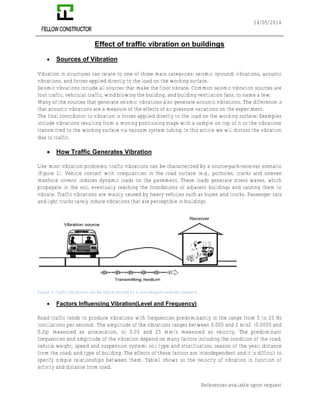
In addition to the soil removal, the association noted the impact of traffic surcharge from the busy Kirinyaga Road. Constant stress and vibrations from vehicles may have contributed to shear failure in the already weakened structure. The road's high volume of traffic, combined with the lack of adequate support systems, created a dangerous scenario that ultimately led to the incident.
AECAS also emphasized the importance of proper geo-technical oversight, particularly in managing complex boundary conditions within a high-traffic urban environment. The organization pointed out that inadequate planning and monitoring could have played a role in the failure. This highlights the need for more rigorous assessments and continuous supervision during construction projects in densely populated areas.
Role of AECAS in Promoting Ethical Excellence
The Association of Engineering, Construction and Architecture Students (AECAS) is a prominent organization based at the Technical University of Kenya. It serves as a platform for fostering ethical excellence and interdisciplinary collaboration among students pursuing careers in the built environment. Through various initiatives, AECAS aims to equip future professionals with the knowledge and skills necessary to address complex challenges in the field.
By conducting site visits and issuing technical statements, AECAS plays an essential role in raising awareness about structural safety and best practices. Their work not only contributes to academic discourse but also provides valuable insights that can inform industry standards and policy decisions.
Key Takeaways from the Incident
- Soil Removal Without Support: The removal of soil at the base of the wall without providing temporary shoring or lateral support was a critical factor in the collapse.
- Traffic Impact: The constant vibration and stress from vehicles on Kirinyaga Road may have accelerated the failure of the weakened structure.
- Geo-Technical Oversight: Inadequate management of boundary conditions in a high-traffic area was highlighted as a contributing factor.
- Need for Vigilance: The incident underscores the importance of continuous monitoring and adherence to safety protocols during construction projects.
Recommendations for Future Projects
To prevent similar incidents, AECAS recommends the following measures:
- Conduct thorough geo-technical assessments before initiating any construction project, especially in urban areas with complex environmental conditions.
- Implement strict guidelines for soil removal and ensure that temporary support systems are in place when necessary.
- Monitor traffic patterns and their potential impact on nearby structures, particularly during the early stages of construction.
- Encourage interdisciplinary collaboration between engineers, architects, and urban planners to develop comprehensive solutions for infrastructure challenges.
Conclusion
The structural failure at the construction site along Kirinyaga Road serves as a reminder of the critical importance of proper planning, execution, and oversight in the construction industry. As AECAS continues to advocate for ethical and professional standards, their findings provide valuable lessons for both students and professionals in the field.
