Inside the Robot-Built California Neighborhood — First Homes for Sale
Introduction to 3D-Printed Housing
A California-based startup has made a significant breakthrough by completing its first fully 3D-printed home, signaling a new era in construction technology. This innovative project represents a major step forward in the potential for faster and more cost-effective housing solutions in the state.
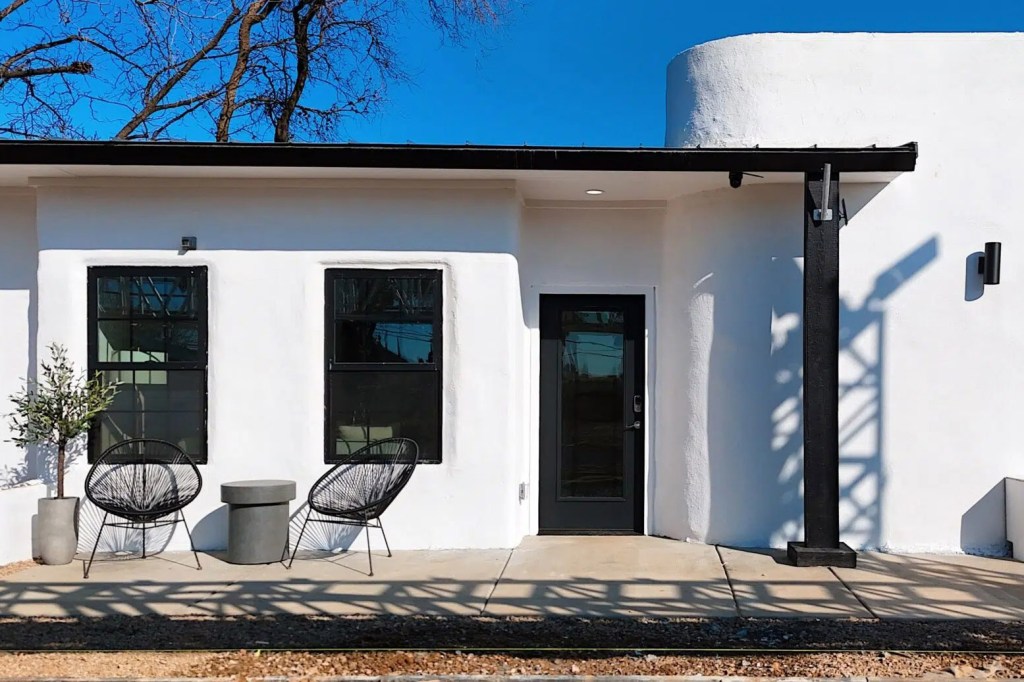
The company, 4DIFY, announced this milestone in February, highlighting that their project demonstrates how robotic construction technology can transition from theoretical concepts to real-world applications under actual regulatory conditions.
The Construction Process
Unlike traditional methods that rely on wood framing and manual labor, the home was constructed using industrial-scale 3D printers. These machines layer concrete inch by inch, creating walls with precise automation.
This method is part of an experimental neighborhood in Yuba County, north of Sacramento. Developers are building a cluster of five homes using this advanced technology.
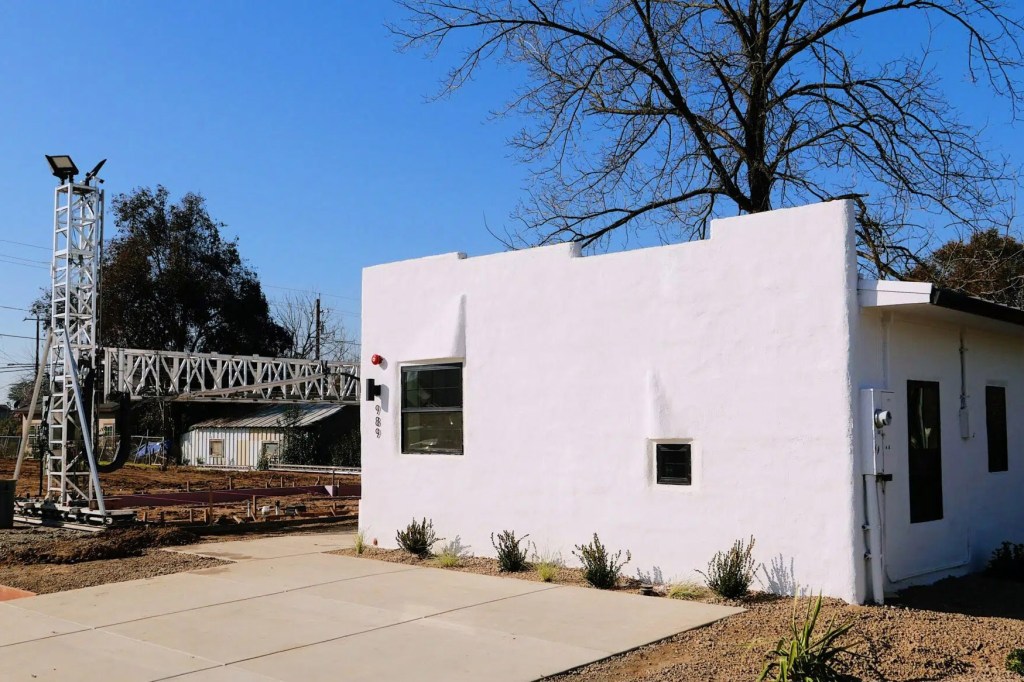
The approximately 1,000-square-foot home was completed in just 24 days, according to Nan Lin, founder of 4Dify, who shared this information with CBS News. This is significantly quicker than the months or years it typically takes to build a conventional house in California.
Benefits of 3D-Printed Homes
Developers emphasize that automation can drastically reduce construction timelines, lower labor costs, and minimize material waste. These advantages could help make housing more affordable in a state facing severe housing shortages.
The technology used by 4DIFY is provided by SQ4D, whose robotic "ARCS" printer is designed to create full-size concrete structures with minimal human intervention.
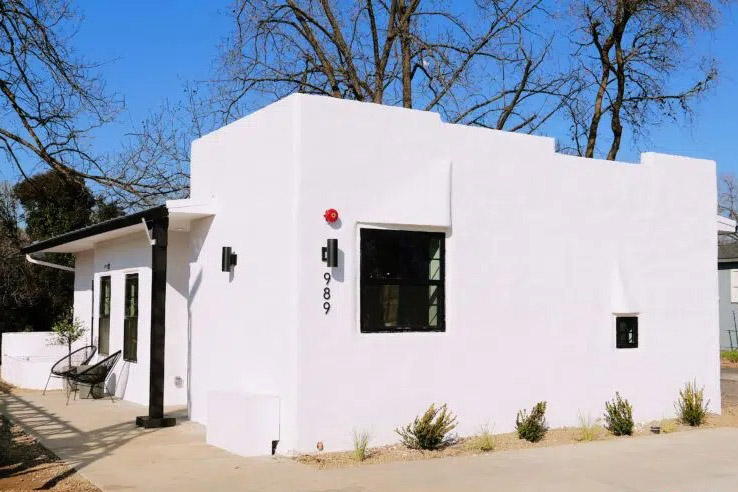
These homes are not only quick to construct but also claim to be more durable than traditional houses. Because they are largely made of concrete, the walls are engineered to be fire-resistant, mold-resistant, and pest-resistant. This could potentially lead to reduced insurance costs.
While the first house took 24 days to print, the team anticipates future builds will take as little as 10 days.
Future Prospects
“We are already preparing to print additional homes on the same site, applying what we’ve learned to improve efficiency, coordination, and speed,” 4Dify stated on its website. “Each build strengthens our process and brings us closer to scalable, repeatable deployment.”
Each home in the project is expected to be sold below the local market rate due to savings in labor and materials. The first property is already listed for $375,000, according to reports.
Advantages of 3D-Printed Construction
- Speed: The construction process is significantly faster compared to traditional methods.
- Cost Efficiency: Reduced labor and material costs can lead to more affordable housing.
- Durability: Concrete structures offer resistance to fire, mold, and pests.
- Sustainability: Minimizing material waste contributes to a more eco-friendly construction process.
Conclusion
The completion of 4DIFY's first 3D-printed home marks a pivotal moment in the evolution of construction technology. As the company continues to refine its processes, the potential for widespread adoption of 3D-printed housing becomes increasingly viable. This innovation could play a crucial role in addressing housing shortages and making housing more accessible and affordable across California.
