Jail Mistake: Robber on the Loose for Six Months in Latest Scandal
The Case of Michael Seed: A Mistake That Cost the Justice System Its Credibility
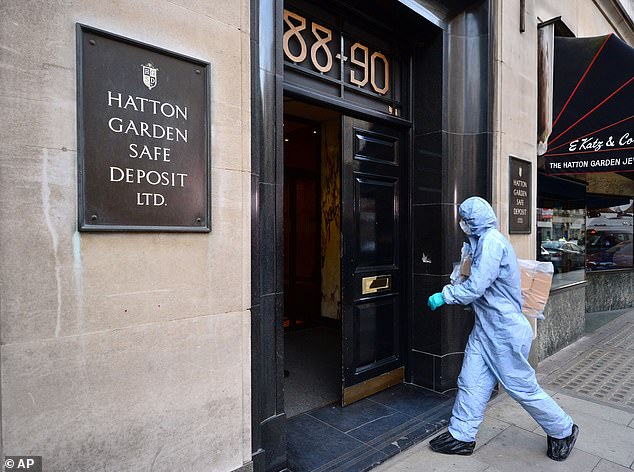
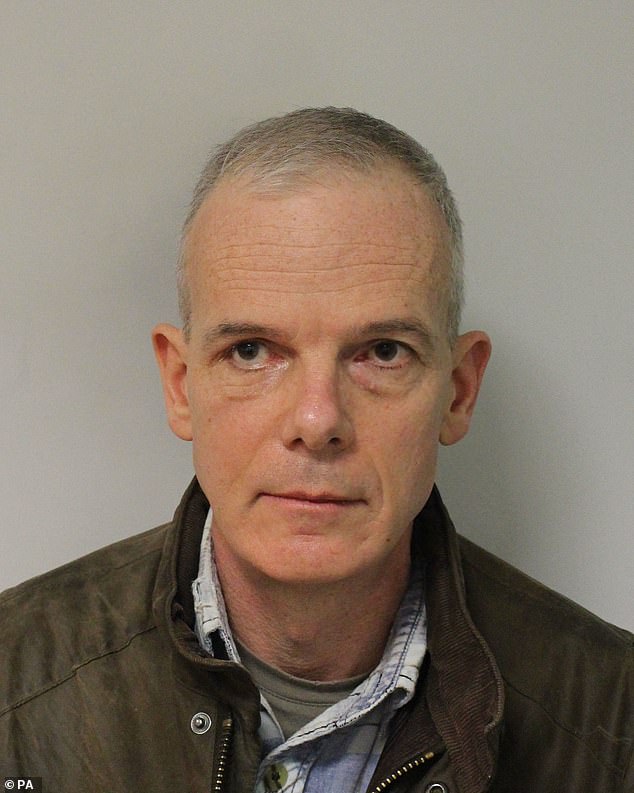
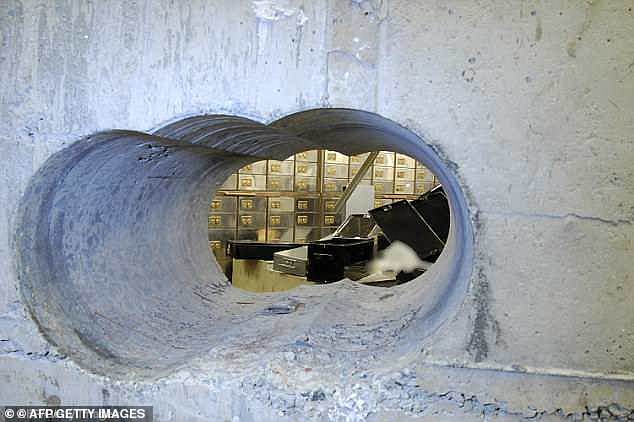
Michael Seed, a 66-year-old electronics expert known as "Basil" and one of the ringleaders of the infamous 2015 Hatton Garden heist, was accidentally released from prison in August 2025. This error allowed him to remain at large for six months before the mistake was finally realized, and he was only returned to custody this month.
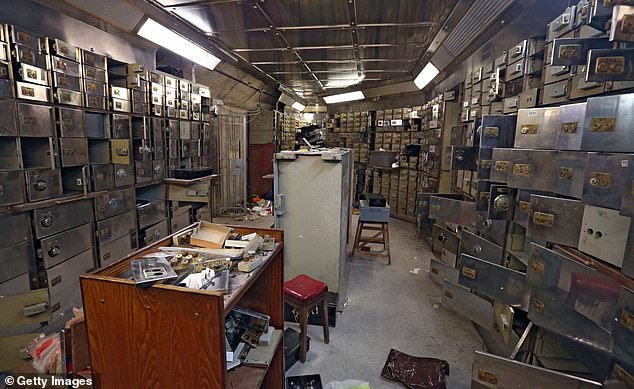
Seed was initially sentenced to 10 years in March 2019 for his role in the theft of £14 million worth of jewelry from 73 safety deposit boxes. However, in 2022, he received an additional six-and-a-half-year sentence for failing to repay ill-gotten gains from the heist. Officials miscalculated how much time he still needed to serve, leading to his premature release.
He should have remained in prison until June 2027, but instead, he walked free on August 12, 2025. It wasn't until February 5 that he was recalled to HMP High Down in Sutton, Surrey. This incident has sparked outrage, with former Tory leader Sir Iain Duncan Smith calling the Prison Service and justice officials “utterly incompetent” for the mistake and the failure to recapture Seed for so long.
The Background of Michael Seed
Seed, the son of Dr. John Seed, a renowned Cambridge University biophysicist who worked alongside Nobel Prize-winning scientists Francis Crick and James Watson in the 1960s, was ordered to pay back £600,000 in damages. However, he only managed to repay £50,000, which led to the additional sentence.
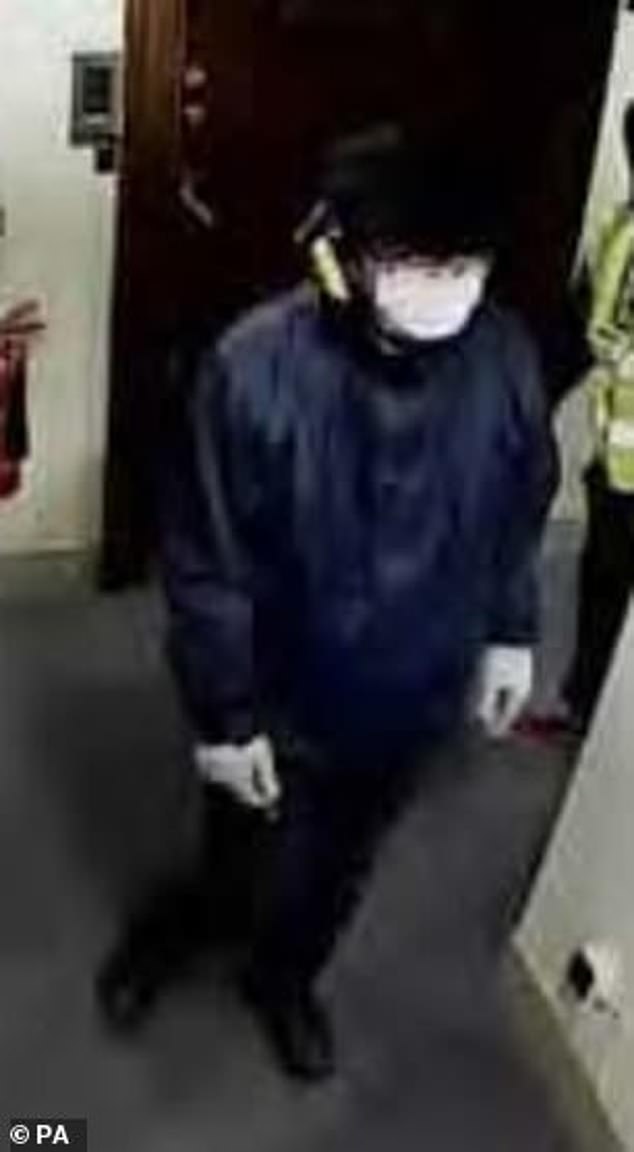
He was the last member of the Hatton Garden gang to be caught after evading police for four years. During that time, he avoided using bank accounts or driving, relying on foot travel and canal towpaths to avoid CCTV surveillance.
In 2019, he was tried and sentenced for burglary and conspiring to hide the proceeds of the crime. At his flat in Islington, officers found £143,000 worth of gold ingots, gems, and jewelry. It was believed that he had melted down gold and broken up jewelry on a workbench.
Seed also has a history of criminal activity, including a three-year jail term in 1984 for manufacturing LSD in his own lab. He holds a degree in physics and electronics from Nottingham University.
The Broader Issue of Accidental Prison Releases
This case is not an isolated incident. Between April and December 2024, over 100 prisoners were accidentally released under successive Justice Secretaries Shabana Mahmood and David Lammy. Lammy claimed to be working on implementing “tighter checks” for prisoner releases.
However, the problem persists. In October 2024, Hadush Kebatu, an Ethiopian asylum seeker, was mistakenly released after being convicted of sexually assaulting a 14-year-old schoolgirl days after arriving in the UK.
Sir Iain Duncan Smith criticized the system, stating, “There is an endemic problem with the prison service. Basic mistakes are enshrined in the system.”
The Ministry of Justice confirmed that Seed was released in error from HMP High Down on August 12, 2025, and returned to custody on February 5. Nothing is known about where Seed lived or what he did during his six-month freedom. His former council flat in Islington has been relet, and family members have declined to comment.
The Government’s Response
A Ministry of Justice spokesperson stated that the error occurred during the custodial period of the confiscation order. They added that an independent investigation led by Dame Lynne Owens is examining the causes of accidental releases, identifying systemic factors, and recommending ways to prevent future errors.
The figures show a concerning trend. In the year to March 2025, 262 inmates were mistakenly released, compared to 115 in the previous 12 months. Although Mr. Lammy mentioned a “downward trend,” the average monthly number of accidental releases dropped from 21 to 12, which still highlights a significant issue.
The Other Members of the Hatton Garden Gang
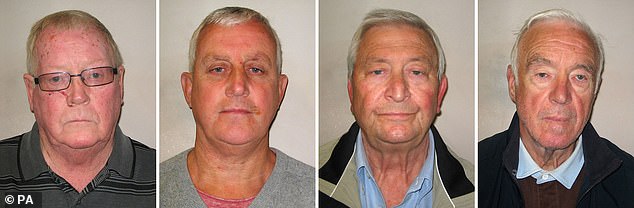
The other members of the Hatton Garden raiders, known as the “Diamond Wheezers” due to their advanced ages, were all jailed in 2016 after admitting conspiracy to commit burglary. Brian Reader, then 77, was sentenced to six years and three months. John "Kenny" Collins, Daniel Jones, and Terry Perkins each received seven-year sentences.
Reader died in 2023 after his release, while Perkins passed away in prison in 2018.
Conclusion
The case of Michael Seed underscores deep-rooted problems within the UK's justice system. From miscalculations in prison release schedules to the failure to recapture escaped convicts, these issues raise serious concerns about the effectiveness and accountability of the current system. With ongoing investigations and proposed reforms, the hope is that such mistakes will become less frequent, ensuring public safety and restoring trust in the justice process.