Law debate: How much power do TV directors hold in modern TMO?
The Role of TV Directors in Rugby Match Officiating
The influence of television directors on rugby match officiating has once again come under scrutiny following comments made by Johann van Graan, the coach of Bath, after their defeat to Union Bordeaux Begles in the Investec Champions Cup. Van Graan's remarks were unusual for him, as he typically avoids commenting on refereeing decisions. However, his criticism was directed at the broadcasters rather than the match officials themselves. He argued that the French TV directors did not provide the necessary angles for the referees to make accurate calls.
Van Graan acknowledged that the better team won the match, with Bordeaux defeating Bath 38-26. This loss saw Bordeaux advance to the final, where they will face Leinster, an Irish powerhouse.
“Three Headshots” Go Unpunished
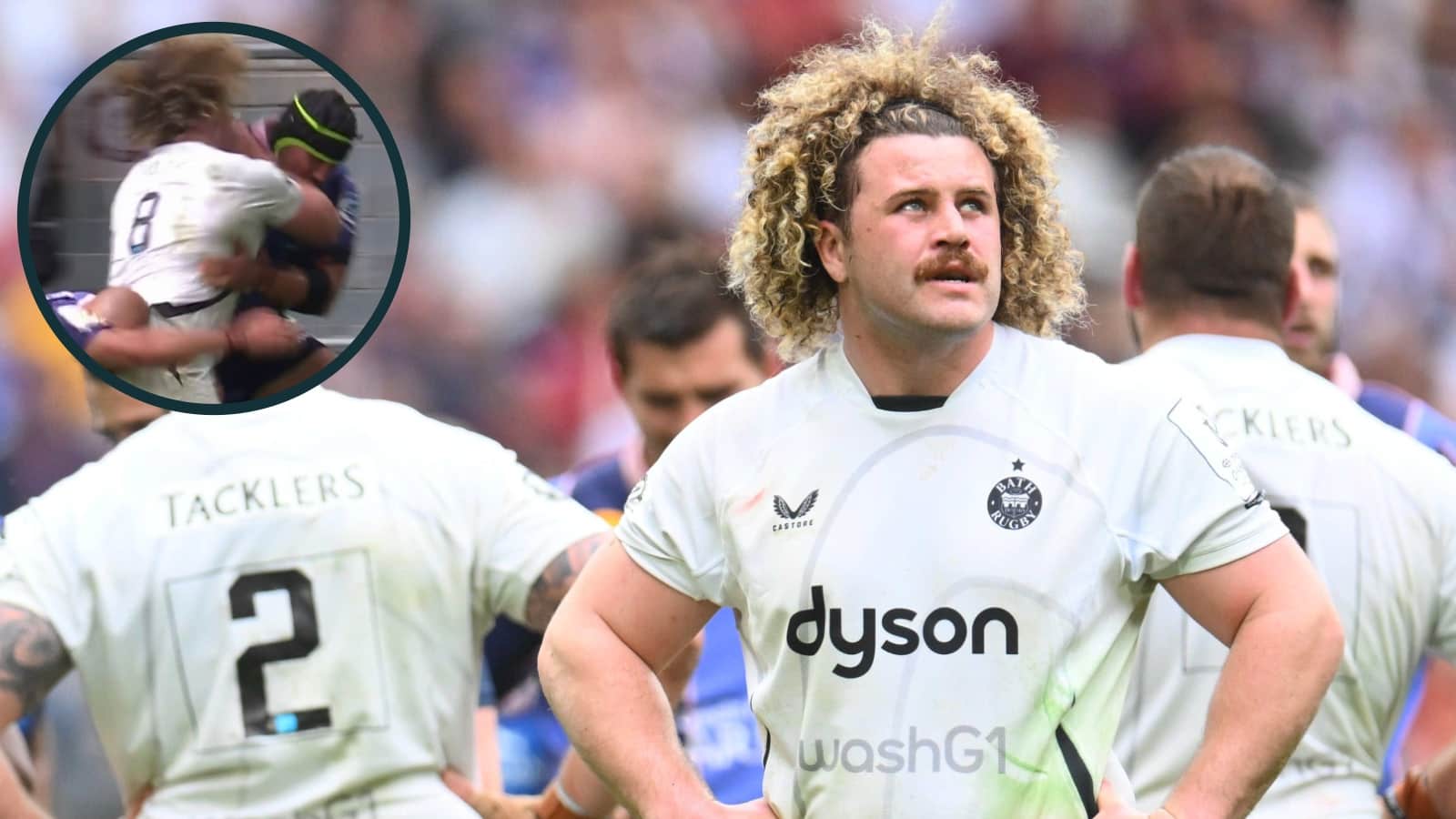
Van Graan expressed frustration over what he described as "three headshots" on Bath back-rower Alfie Barbeary during the match. These incidents occurred in the 19th, 23rd, and 42nd minutes. His concerns were echoed by ex-England internationals Lawrence Dallaglio and Andy Goode, who criticized the French TV directors for not providing the necessary replays for fans watching the game.
Goode, a commentator for Premier Sports, highlighted the 42nd-minute tackle by Maxime Lucu on Barbeary, which he considered the most "clear and obvious" of the three. He suggested that the referee should have received a yellow card for the incident.
Dallaglio added that viewers only ever get one angle from French TV, which limits the referee's ability to make informed decisions. This lack of perspective can lead to significant inconsistencies in officiating.
Criticism of French Broadcasters
The issue of broadcast angles is not new. Ex-England captain Dallaglio claimed that Bath fans could feel "hard done by" due to the lack of proper coverage. Goode further emphasized this point, stating that the TMO (Television Match Official) only had access to the same replays that viewers were shown.
However, it is important to note that World Rugby mandates the use of independent video replay systems for its tournaments. This means that the selection and control of images shown to the referee are separate from any input from the television production function. Despite this, the policy does not automatically apply to EPCR Rugby competitions.
French Director's Past Comments
A recent interview with France Televisions' director Fred Godard from 2019 has resurfaced, adding to the controversy. In the interview, Godard admitted to not showing a hit by a Castres player during a European Cup match, which could have resulted in a send-off. He also mentioned that he sometimes forgets an angle and that national bias may play a role in his decisions.
This raises questions about whether French TV directors still have the same level of influence today. Planet Rugby sought to clarify this by reaching out to a well-informed source with extensive knowledge of the TMO setup and relationships between officials and broadcasters.
Technology and TMO Access
The technology available to the TMO varies from competition to competition, and the systems used depend on the financial resources of each tournament. The Rugby World Cup, for instance, uses the best-of-the-best systems provided by Hawk-Eye, QTV, and SMT.
In an ideal scenario, the TMO would have a real-time video replay system located in the TMO booth, operated independently by a technician. This system would allow the TMO to replay and rewind footage from any angle, without relying on what the broadcast director is showing.
The TMO can flag incidents for the technician to collect the relevant angles and replay them so that the fourth official can review them during a break in play. This is when the TMO can intervene and inform the on-field referee that an incident needs to be reviewed.
The Case of Bordeaux v Bath
Returning to the Bordeaux v Bath match, the short answer is that the TV director did not have the power to influence the match as Goode and others suggested. However, the situation is more nuanced than that.
One source confirmed that the Champions Cup has a video replay system in place, and EPCR is listed as a client of Hawk-Eye Innovations. This suggests that the TMO would have had access to all necessary angles.
During the 23rd minute, TMO Ben Whitehouse reviewed Adam Coleman’s tackle on Barbeary. Nika Amashukeli, a commentator, stated that there was no clear head contact, and the decision was that the contact was "chest-on-chest." It is safe to assume that Whitehouse agreed with this call.
Conclusion
While the TMO would have had access to all necessary angles, the issue remains that the French TV director controlled what was shown on the broadcast. This led to frustration among fans and coaches, as certain angles that could have proven the correct calls were not displayed.
Ultimately, if the officials had the correct video replay systems, like Hawk-Eye, at their disposal, then either the tackles on Barbeary were not head contacts or Whitehouse deemed them not to reach the "clear and obvious" threshold to trigger a review. If the latter is the case, then the French director failed to provide the necessary angles, leaving viewers, the coaching team, and commentators in the dark.
