Lufthansa Strike Sparks Mass Flight Cancellations in Germany
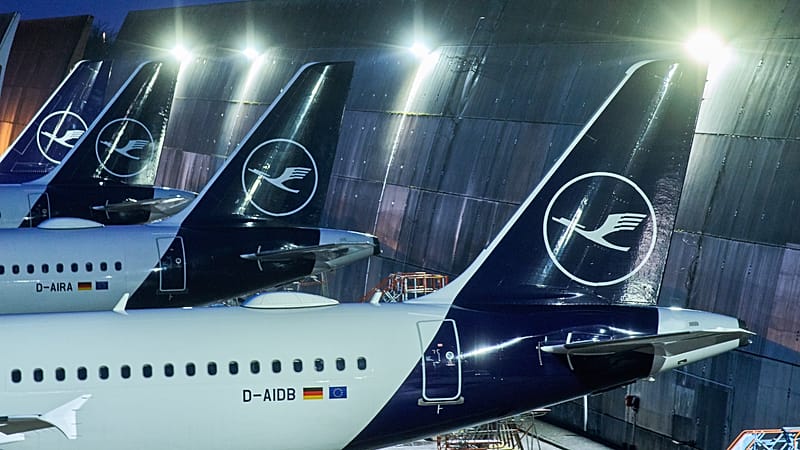
Lufthansa Faces Major Flight Disruptions Due to Strike
Lufthansa, one of Germany’s leading airlines, has experienced significant disruptions as hundreds of flights were cancelled across the country. This was due to a coordinated 24-hour strike by both pilots and cabin crew, who are protesting over issues related to pensions and job security.
The strike began at 12:01 am on Thursday and is set to continue until 11:59 pm. This action has impacted all departures from German airports, including major hubs such as Frankfurt, Munich, and Berlin. The strike involves approximately 4,800 pilots represented by the Vereinigung Cockpit union and around 20,000 cabin crew members organized under the Unabhängige Flugbegleiter Organisation. These groups are conducting parallel actions, each addressing separate disputes.
Although Lufthansa did not provide an exact number of affected flights, the airline acknowledged that extensive disruptions are expected. The cargo division and regional subsidiary CityLine are also affected by the strike. However, other airlines within the Lufthansa Group, such as Swiss, Austrian Airlines, Brussels Airlines, ITA Airways, Eurowings, and Discover, are not participating in the strike and will continue their operations as scheduled. Additionally, airlines outside the Lufthansa Group, including Ryanair, Easyjet, and Condor, are operating normally.
Lufthansa anticipates resuming normal flight operations from Friday. For affected passengers, the airline has stated that they will be automatically rebooked if alternative options are available, with updates sent via email. Travelers are advised to check their flight status online before heading to the airport.
What Travellers Should Know
For domestic German routes, passengers have the option to exchange their flight tickets for free Deutsche Bahn train tickets. Under European Union regulations, passengers may be eligible for compensation payments ranging from €250 to €600 for short-term cancellations or significant delays. This is because company strikes are not classified as "extraordinary circumstances" under EU law.
Passengers are also entitled to free replacement transport or ticket refunds, catering, hotel accommodation if needed, and can cancel their booking if delays exceed five hours. These measures aim to support affected travelers during this period of disruption.
Lufthansa's Financial Challenges
The pilots' union is demanding higher employer contributions to company pension and transitional pension schemes, following seven rounds of unsuccessful negotiations. Meanwhile, the cabin crew union is seeking new collective labour agreements and has raised concerns about potential job losses at CityLine due to the group's strategy of shifting operations to lower-cost subsidiaries. The union is calling for a collectively agreed redundancy plan.
Lufthansa’s head of human resources, Michael Niggemann, described the strike as a “completely unnecessary escalation” and emphasized that further cost increases are not acceptable given the company's current economic situation.
Lufthansa’s Turnaround Programme
The strike occurs as Lufthansa pursues a comprehensive turnaround programme involving more than 700 identified measures, with over 350 already in implementation. The goal of this initiative is to achieve earnings improvements of €1.5 billion by 2026 and €2.5 billion by 2028.
Despite challenges, the Lufthansa Group's passenger airlines reported an adjusted operating loss of €244 million in the first half of 2025, which represents an improvement compared to the previous year. The company has set targets to achieve an adjusted operating margin of 8%-10% by 2028-2030.
This ongoing dispute highlights the complex relationship between Lufthansa and its employees, as both sides navigate the challenges of maintaining operational efficiency while addressing concerns over job security and financial stability.
