Microsoft AI Head Predicts Full Automation of White-Collar Jobs in 18 Months
The Changing Landscape of White-Collar Work
For much of the 20th century, earning an MBA or a law degree was seen as a sure path to a stable, well-paying job and a life in the American Dream. However, as we move further into the 21st century, a new question arises: what happens when those office jobs become obsolete due to automation?
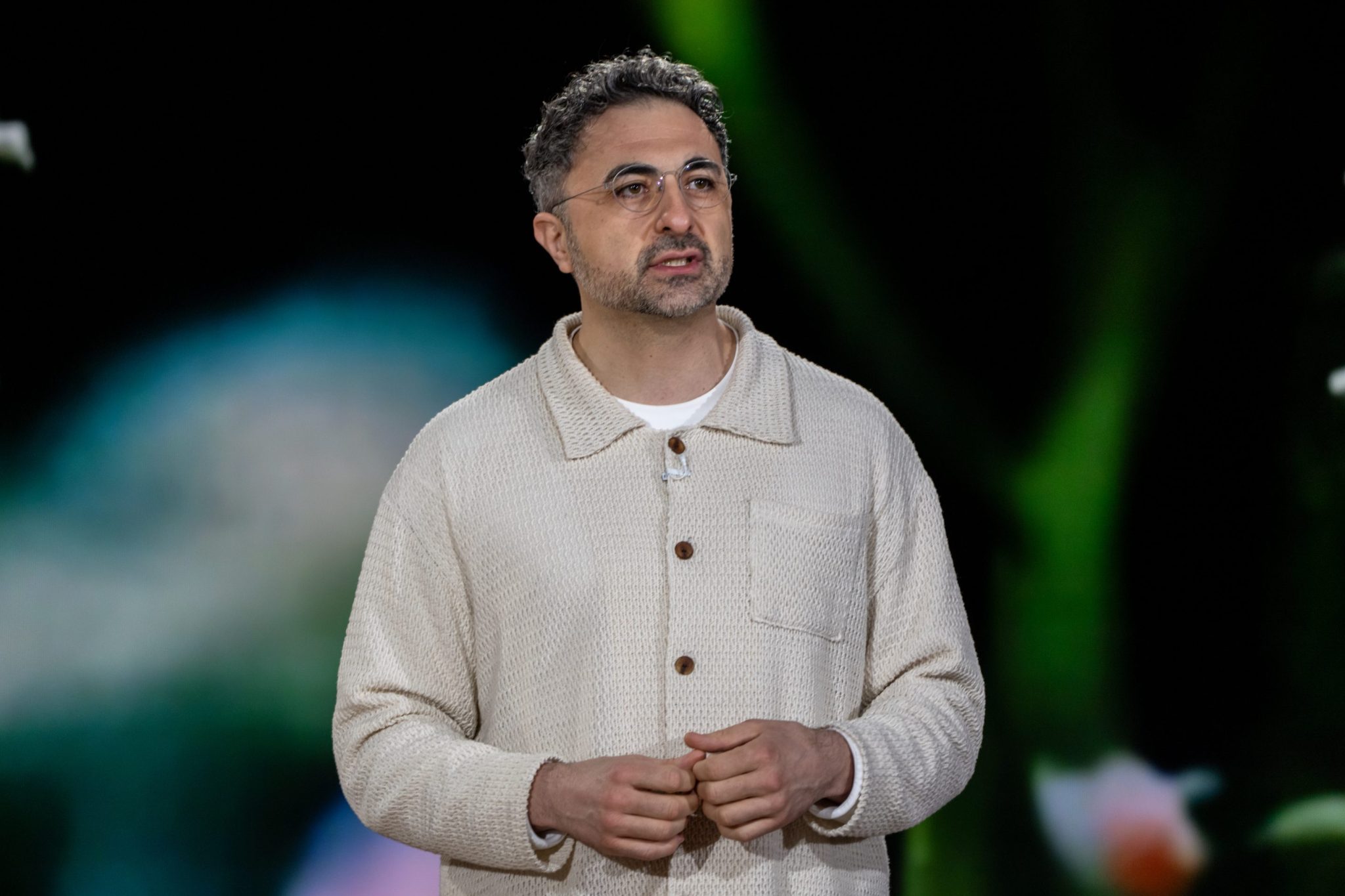
In a recent conversation with the Financial Times, Mustafa Suleyman, CEO of Microsoft AI, shared a series of predictions from AI leaders that suggest white-collar work is on the verge of a major transformation. According to Suleyman, within 18 months, many professionals—those with MBAs, law degrees, and even less-credentialed peers—may find themselves out of luck.
He predicted that AI will achieve “human-level performance on most, if not all professional tasks.” Tasks that involve sitting at a computer, such as accounting, legal work, marketing, and project management, could be fully automated in the next year or so. This warning echoes a viral essay by AI researcher Matt Shumer, which compared this moment to February 2020, when the pandemic was about to hit America. However, Shumer said this change will be even more dramatic.
Suleyman pointed to the exponential growth in computational power as a clear signal that AI could replace large numbers of professionals. As computing advances, he said, models will be able to code better than most human coders. Shumer and OpenAI CEO Sam Altman have both expressed alarm, even sadness, at watching their life’s work rapidly become obsolete.
If Suleyman’s warnings sound familiar, it’s because they echo early 2025, when many CEOs issued similarly apocalyptic prophecies. Anthropic CEO Dario Amodei warned last May that AI could wipe out half of all entry-level white-collar jobs. Ford CEO Jim Farley said AI would cut in half the number of white-collar jobs in the U.S.
In The Atlantic, Josh Tyrangiel argued that the U.S. isn’t prepared for the coming AI disruption, comparing CEOs’ recent silence on the subject to seeing “a shark fin break the water.” But now, the drumbeat is beginning again, with SpaceX CEO Elon Musk stating in Davos last month that he believes artificial general intelligence—AI that matches or exceeds human-level intelligence—could arrive as early as this year.
The Current Reality of AI and White-Collar Work
Despite these predictions, the current reality of AI in professional services is more nuanced. A 2025 Thomson Reuters report found that lawyers, accountants, and auditors are experimenting with AI for targeted tasks like document review and routine analysis. While there have been marginal productivity improvements, these changes haven’t led to widespread job displacement.
In some cases, AI has even had the opposite effect: making workers less productive. A recent study from nonprofit Model Evaluation and Threat Research (METR) found that AI made software developers’ tasks take 20% longer. So far, the benefits of AI have largely been confined to the tech industry.
Recent research from Apollo Global Management chief economist Torsten Slok showed that while profit margins in Big Tech increased by over 20% in the fourth quarter of 2025, the broader Bloomberg 500 Index saw almost no change. Slok noted that investors don’t believe AI will result in higher earnings outside the tech sector, citing Wall Street expectations for the S&P 500.
Still, there are signs that AI is leading to job displacement. About 55,000 job cuts in 2025 were AI-related, according to employment consultancy Challenger, Gray & Christmas. While not directly citing AI as the reason, Microsoft let go of 15,000 workers last year. In a memo following the job eliminations, CEO Satya Nadella said the company must “reimagine our mission for a new era.”
Market Reactions and Future Implications
Despite these limited workforce reductions, the markets are reacting strongly to the potential of AI. Last week, software stocks suffered a significant selloff due to fears of automation, with analysts calling it the “SaaSpocalypse” for the software-as-a-service sector. This selloff came after Anthropic and OpenAI announced the launch of agentic AI systems for enterprises that perform key functions of SaaS organizations.
Suleyman remains optimistic about the future of AI. He believes organizations will be able to retrofit the technology to perform any required job function, enhancing productivity across white-collar industries. “Creating a new model is going to be like creating a podcast or writing a blog,” he said. “It is going to be possible to design an AI that suits your requirements for every institution, organization, and person on the planet.”
Suleyman’s core mission as the steward of Microsoft AI is to achieve “superintelligence.” He wants to develop AI self-sufficiency and reduce reliance on OpenAI, instead focusing on building the company’s independent models.
“This is the most important technology of our time,” Suleyman said. “We have to develop our own foundation models which are at the absolute frontier.”