Military Space Chief Warns Russia May Place Nukes in Orbit
Canada's Military Leader Warns of Potential Threat from Russia in Space
Brig.-Gen. Christopher Horner, the Commander of 3 Canadian Space Division, has raised concerns about Russia's potential capabilities in space, stating that Canada "should absolutely be" worried about the possibility of nuclear weapons being deployed to target satellites.
Horner emphasized the catastrophic consequences of such an action, explaining that it would wipe out critical systems like communications and GPS. "Everything that we have come to rely on from a communications platform level or from a GPS level — if [Russia] were to deploy a capability like that and then detonate it — would be wiped out," he said during an interview.
This warning comes as global leaders, including NATO Secretary General Mark Rutte, express fears about Russia using nuclear weapons against satellites. In December, Rutte told German newspaper Welt am Sonntag that such an action would violate the 1967 Outer Space Treaty, which prohibits weapons of mass destruction in space.
Two years ago, U.S. and Russian officials had a disagreement at the UN when Russia vetoed a U.S.-drafted resolution calling for preventing an arms race in outer space. At the time, Russia's UN Ambassador Vassily Nebenzia dismissed the resolution as "a joke," while then deputy U.S. ambassador Robert Wood questioned whether Russia was hiding something.
Russian President Vladimir Putin also commented on the issue, stating that his country has "always been categorically against and are now against the deployment of nuclear weapons in space."
Global Concerns and Diplomatic Efforts
Horner explained that the scale of the possible threat is why there has been so much concern in recent years. He stressed that Canada will work with its global partners to ensure such actions do not occur and to apply diplomatic pressure where needed.
From a military perspective, Horner advised that Canada should put pressure on Russia not to deploy nuclear weapons in space, as it would be a "horrendously terrible thing" for many reasons.
Building Sovereign Space Launch Capability
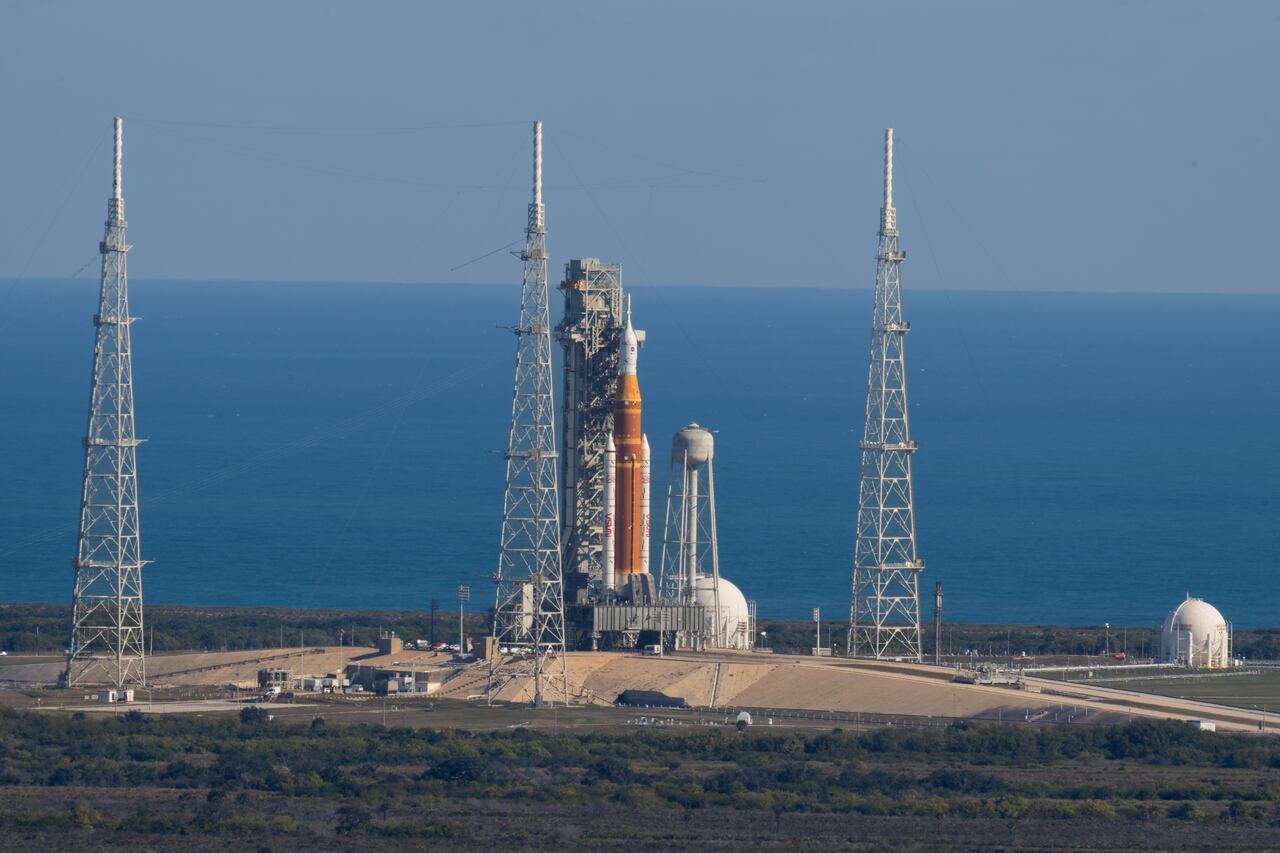
The 2025 federal budget includes $182.6 million over three years for the Department of National Defence to establish a "sovereign space launch capability." This initiative aims to allow Canada to send its own commercial and military satellites into orbit from Canadian soil.
Several projects are already underway in the race to establish Canada's first commercial spaceport. Horner stated that this capability is necessary to "give Canada its assured access to space" and could bring additional benefits.
"What I can tell you is the space economy is growing rapidly. So from an economic prosperity perspective, it gives us access to a market we haven't had before," Horner said. However, he also pointed out the challenges from the limited number of launch providers globally.
Challenges and Opportunities in the Space Industry
Limited providers plus a rising demand for launches could result in a system where those with the most money get to launch their satellites the fastest, leaving Canada behind without a homegrown option. "And then it will cost Canadians more to then find a pathway to have SpaceX, or Blue Origin or Rocket Lab, or someone like that launch," he said.
While Canada awaits a spaceport, Horner highlighted other ongoing efforts in the aerospace sector. "We've incredible companies that can conceive, design and build satellites, in Montreal and Toronto, here in Ottawa — there is incredible intellectual capital and property in this country that is world-leading," he said, emphasizing "the sovereignty we can gain as a country by having our own ability to complete the economic circle or economic chain of space."
