Modern Waste Hub in Kota Tinggi
Introduction to the Integrated Waste Hub in Johor
Johor is making significant strides in waste management by investing RM310 million into a new integrated waste hub (JISWH). This initiative aims to streamline the collection and disposal of scheduled waste, ensuring that industrial growth does not come at the expense of environmental safety. The project is being managed by Kitar Selatan Sdn Bhd, a subsidiary of Kumpulan Prasarana Rakyat Johor (KPRJ), marking a key development in the state’s efforts to handle scheduled waste locally.
Project Overview and Timeline
Construction of the facility in Kota Tinggi commenced on December 15 last year and is expected to be completed by June 15, 2027. The location of the waste hub is near the Seelong landfill and will be under the supervision of the Department of Environment. This strategic placement ensures that the facility can effectively manage waste while adhering to environmental regulations.
Key Features of the Waste Hub
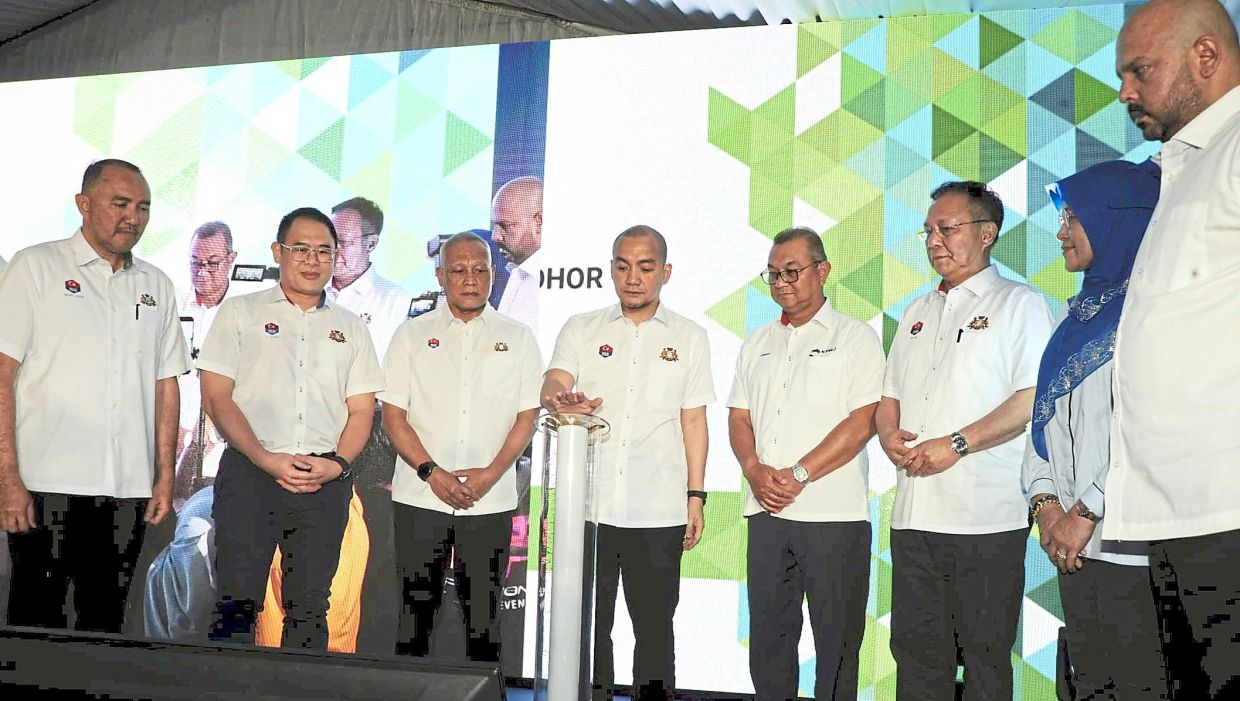
During the groundbreaking ceremony, KPRJ group chief executive Datuk Lukman Abu Bakar highlighted the significance of the project. He mentioned that the first phase of development covers an area of 18.6 hectares and will include 10 main facilities. These facilities are designed to handle a wide range of scheduled waste, contributing to the broader industrial and environmental ecosystem in Johor.
Among the key facilities is a thermal treatment plant with a processing capacity of 100 tonnes per day. Additionally, the hub will feature physical and chemical treatment plants, a solidification facility, and a secure landfill with a capacity exceeding 3.7 million m³. The facility is also equipped to handle up to 76 scheduled waste codes, making it one of the most comprehensive scheduled waste management facilities in the state.
Technological Advancements and Partnerships
Lukman emphasized that the development of this modern, high-tech facility follows strict regulatory standards, aiming to create a win-win situation for all stakeholders. The project incorporates technology from Wuhan City Environment Protection Engineering (M) Sdn Bhd (CCEPC), a global player specializing in waste treatment, environmental protection, and resource recovery. CCEPC operates not only in China but also serves clients across various regions worldwide.
Economic and Environmental Benefits
Johor Mentri Besar Datuk Onn Hafiz Ghazi highlighted the importance of the JISWH in reducing environmental pollution and aligning with global interests in the state. He noted that this is particularly relevant in light of developments under the Johor-Singapore Special Economic Zone (JS-SEZ).
Currently, many factories in Johor have to dispose of chemical waste at facilities in Negri Sembilan. With the construction of JISWH, this will become the first scheduled waste disposal center in Johor. The project is also expected to create about 150 jobs across various levels of skills and qualifications, contributing to the improvement of the local community's livelihood.
Conclusion
The establishment of the Integrated Waste Hub in Johor represents a major step forward in the state's commitment to sustainable development. By combining advanced technology with effective waste management practices, the project is set to make a significant impact on both the environment and the economy. As the facility comes online, it will serve as a model for other regions looking to balance industrial growth with environmental responsibility.
