Neighbours Install Thousands of Solar Panels to Cut Bills
Rising Energy Costs and the Push for Solar Solutions
As global tensions in the Middle East escalate, leading to higher oil and gas prices, the United Kingdom is facing its second energy crisis in less than five years. This situation has prompted an increasing number of households to explore alternative energy sources, with solar power emerging as a promising solution.
Renewable energy companies have reported a significant surge in interest, with data showing that 27,000 solar installations were completed in March alone—marking the highest monthly total in over a decade. Despite this positive trend, a major obstacle remains: the high initial cost of solar panels, which makes them inaccessible to many households.
Community Solar Projects Offer a New Path Forward
In east London, a community-driven initiative is aiming to overcome these financial barriers. The Walthamstow Power Station project, led by artists Dan Edelstyn and Hilary Powell, is expanding across the area, with over 130 streets signing up to become part of a collective 'power station'.
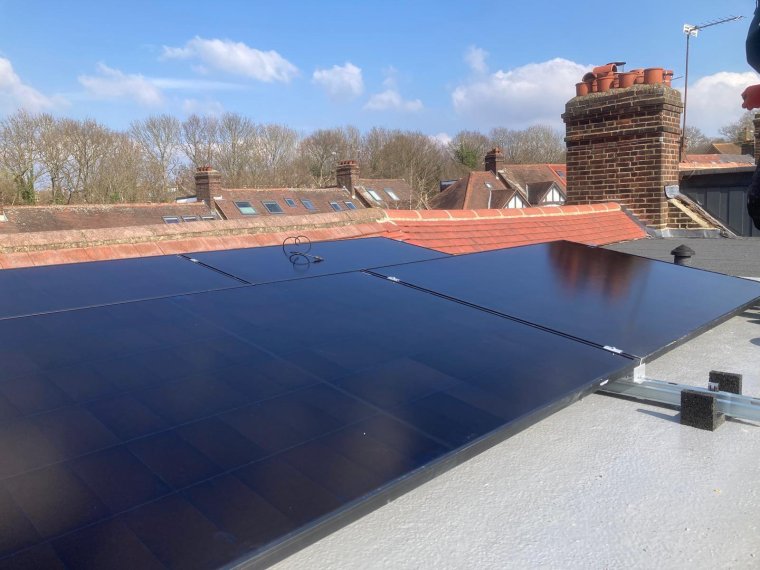
The project began during the lockdown period when Edelstyn and Powell sought to address a fundamental question: why isn't renewable energy being deployed more widely? To raise funds, they slept on their roof for 23 nights, creating a documentary in the process. Their efforts raised over £150,000, which was used to install solar panels on 16 homes and five local schools.
Edelstyn noted that the homes involved have seen their bills reduced by about a third, while also decreasing their reliance on fossil fuels. Beyond the financial benefits, he emphasized the importance of building a sense of community at a time when people are often divided.
Innovating the Financing Model
Expanding the project beyond a single street requires a more sustainable financing model. While crowdfunding worked initially, it is not a long-term solution. Edelstyn highlighted that the technology itself is now cheaper than ever, but the real challenge lies in overcoming the financial hurdles.
To address this, the project has partnered with community energy company People Owned Power (POP) Energy to develop a co-operative model. Under this plan, households can invest in the co-op, allowing solar panels to be installed on their homes without upfront costs. Residents would pay a fixed subscription fee over a set period, likely 15 years, with the goal of keeping this fee lower than the savings from their energy bills.
This approach faces challenges, including concerns about long-term costs and the difficulty of transferring subscriptions when selling a home. However, Howard Johns, CEO of POP Energy, believes the increased property value from having solar panels will offset these costs. He emphasized the cooperative’s commitment to making the system as equitable as possible.
A Community Effort to Lower Costs
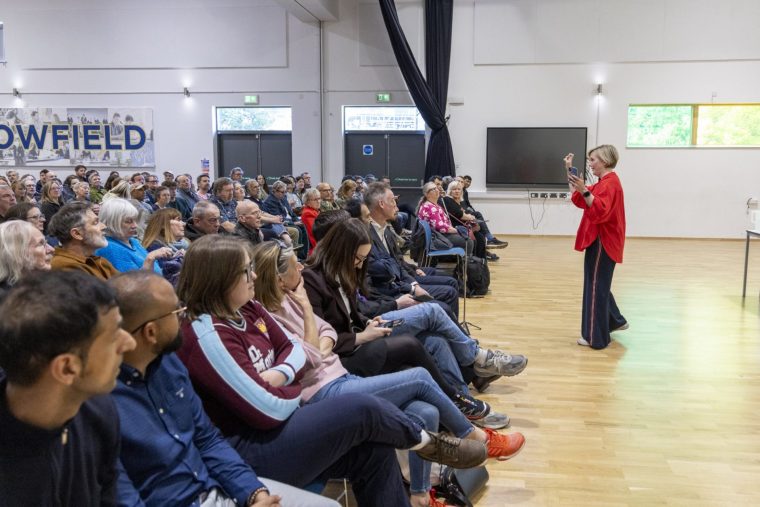
Walthamstow’s MP, Stella Creasy, has taken an active role in promoting the project. She recently held a meeting attended by over 250 residents and Energy Secretary Ed Milliband, highlighting the potential for community-driven energy solutions.
Creasy stressed the importance of collective bargaining to reduce costs and make solar more accessible. Over 130 streets have shown interest in working together to install solar panels. She encourages residents to explore various options, including the co-op model developed by POP Energy or bulk-buying solar panels as a street to secure discounts.
Walthamstow resident Charlie Dearman successfully negotiated a 30% discount for his street through a company called Everyone Energy. He paid £4,000 for his solar panels, estimating he will recoup the cost within five years through bill savings and selling excess energy to the grid. He also invested an additional £3,000 in a battery, which he expects to pay off in seven years.
Government Support and Future Prospects
Creasy and her team are also exploring government funding opportunities. Great British Energy, a government-owned energy company, is allocating up to £1 billion for community-owned energy projects by 2030. While it is unclear how much of this funding will reach projects like those in Walthamstow, Milliband encouraged residents to apply.
Despite these opportunities, challenges remain. Innovative ideas such as trading solar energy between neighbors face regulatory hurdles, and many households still struggle with gaining permission from landlords or freeholders.
Nonetheless, Johns remains optimistic, calling what is happening in Walthamstow “the future of energy.” He believes that energy generation will increasingly be localized, with millions of rooftops contributing to a decentralized energy system.
