United's A350 Order in Jeopardy Amid Rolls-Royce Dispute
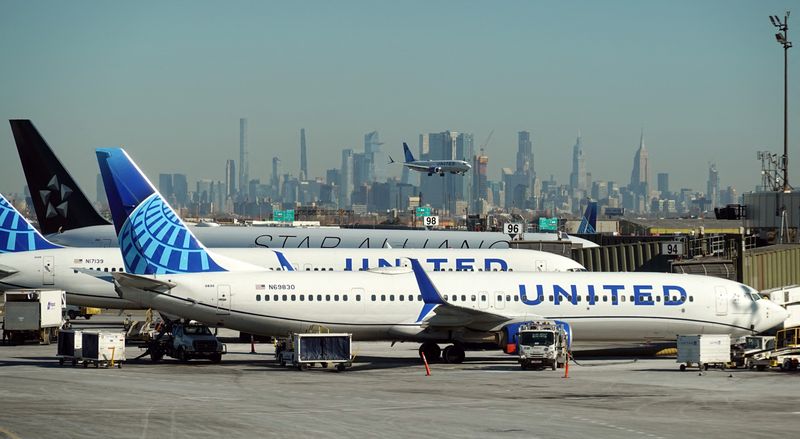
United Airlines Faces Uncertainty Over A350 Order Amid Engine Dispute
United Airlines has introduced a new layer of uncertainty into its long-delayed Airbus A350 order after revealing a disagreement with Rolls-Royce, the engine manufacturer. This development marks another twist in one of the aviation industry's most prolonged and complex procurement processes.
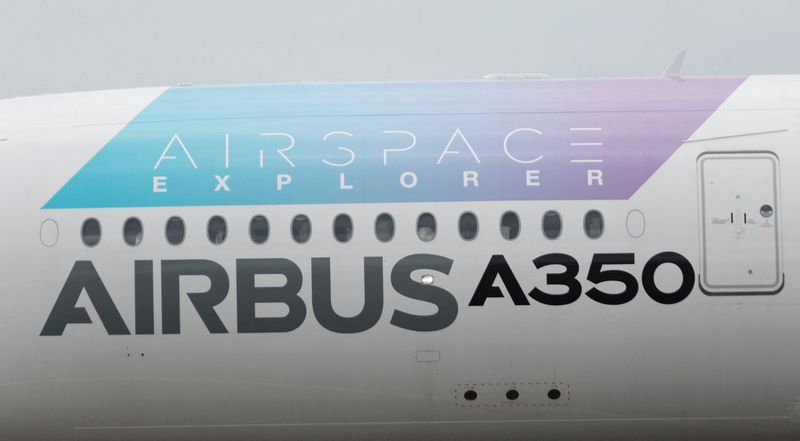
The A350 order dates back to 2009, before United merged with Continental Airlines, which had strong ties with Boeing. The deal was later restructured but has been repeatedly postponed or modified over the years. Now, in a recent regulatory filing, the airline has stated that it is involved in a dispute with Rolls-Royce and has not provided investors with a timeline for when the aircraft will arrive.
Since Rolls-Royce is the sole provider of engines for the A350, this dispute raises concerns about whether United will be able to operate these jets. In the filing, the airline still lists its 45 A350 jets as being scheduled for delivery after 2027, but no specific delivery date has been given. A previous annual filing suggested deliveries would occur beyond 2026.
Engine Contract Dispute
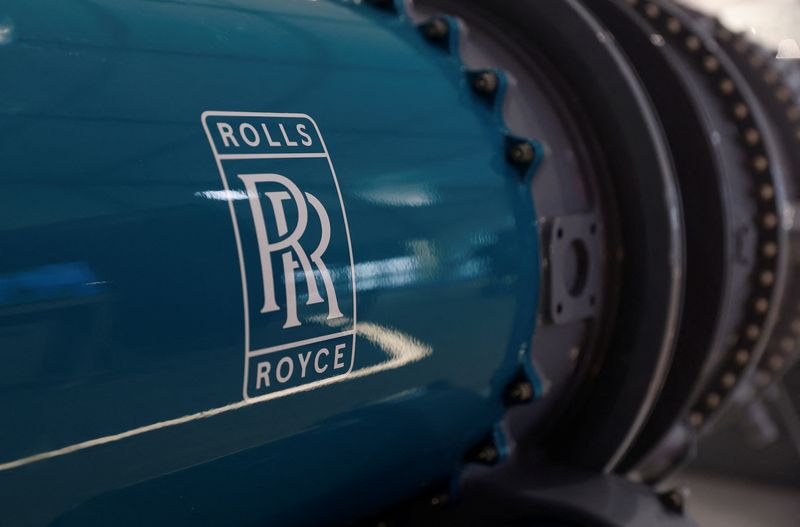
United Airlines claims it signed a long-term contract with Rolls-Royce in 2010 for engines and maintenance services. It paid the British company $175 million upfront in 2017. According to the airline, Rolls-Royce breached the contract in December of last year, prompting United to demand the return of the $175 million plus additional compensation. Rolls-Royce, however, denies any breach of the agreement.
According to United's account, Rolls-Royce refused to pay and accused the airline of being at fault. Both companies are now contesting who owes money to the other. A Rolls-Royce spokesperson stated that the company has fulfilled its obligations under agreements dating back to 2010 but could not comment further due to ongoing legal proceedings.
Rolls-Royce described United as a "valued customer" and expressed hope for resolving what it called a "historic issue" and strengthening their partnership. "We're aware of the issue and are confident in our position," the spokesperson added.
Three-Way Pressure Point
Industry analysts suggest that large-scale jet deals often involve complex relationships between the airline, the aircraft manufacturer, and the engine supplier. United mentioned in its filing that it is considering the implications of the dispute on other parties involved.
Airbus, the aircraft manufacturer, declined to comment. However, it continues to list the stalled order in its published backlog, which industry sources describe as a routine move to protect any contractual rights.
A United spokesperson did not provide further comments beyond the filing.
United Airlines has historically been a major buyer in the aviation sector and has often been a point of contention between Airbus and Boeing. In September 2025, Chief Executive Scott Kirby told reporters that the airline expected to announce its decision on the A350 order later that year.
The airline has stated that its decision on the aircraft is linked to its long-term needs for widebody replacements, particularly the need to eventually replace older Boeing 767s and 777s. However, repeated delays have led to speculation that United might cancel the order or convert it into other Airbus aircraft, such as from the A321neo family, which the airline has purchased in large quantities.
