AI apps flood app stores, turning them into low-quality hubs
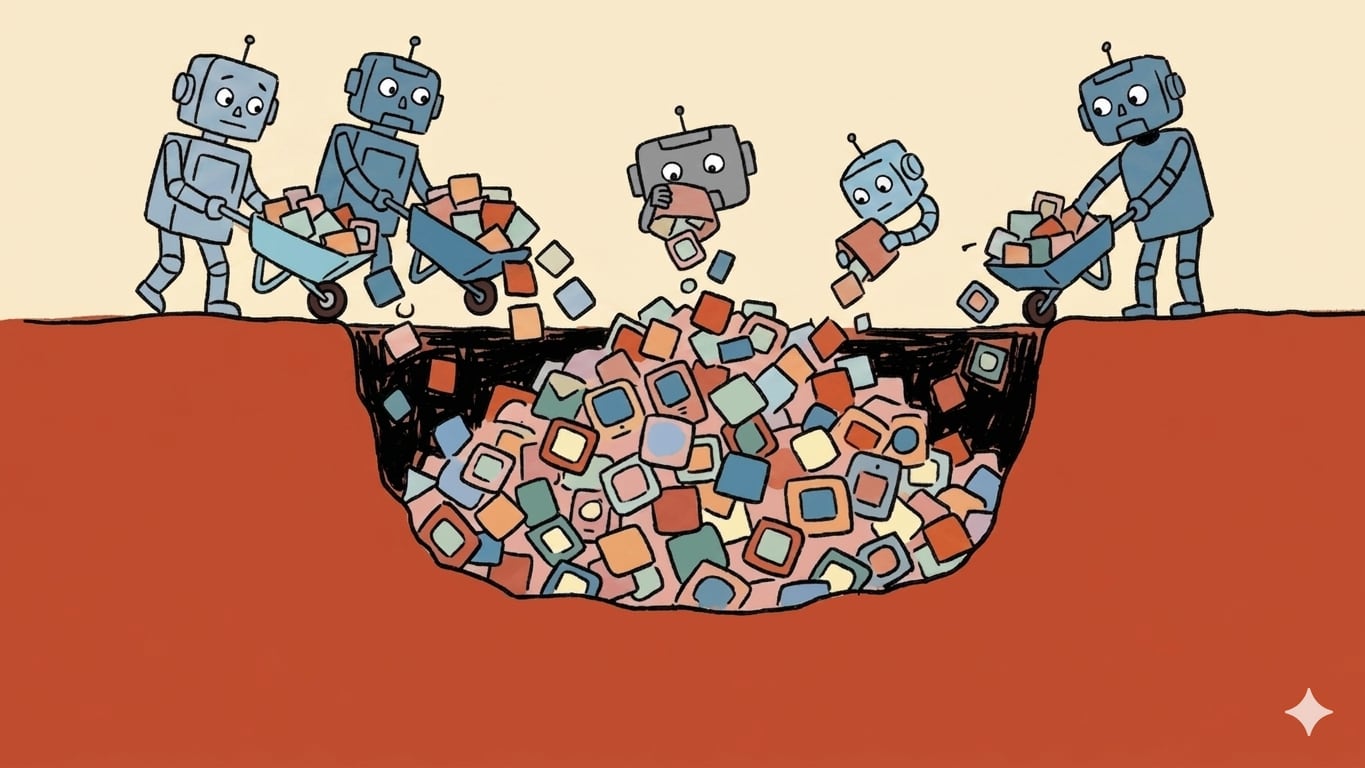
The Rise of “Vibe Coding” and Its Impact on the App Ecosystem
In recent years, a new trend has emerged in the world of software development. Office worker A, for instance, created a personal budgeting app during their free time without any prior coding knowledge. By simply instructing an AI coding tool with the message, “Create a budget app with a clean design,” they were able to generate a functional application within minutes. This phenomenon, known as “vibe coding,” is becoming increasingly common as more individuals use generative AI tools like Cursor, Replit, and Bolt to develop apps.
The rise of these tools has ushered in a new era where even non-developers can turn ideas into functional applications by inputting simple text commands. According to Replit, users have released over 5,000 apps through its platform alone. However, this ease of access comes with significant consequences.
The Paradox of ‘Vibe Coding’ Innovation
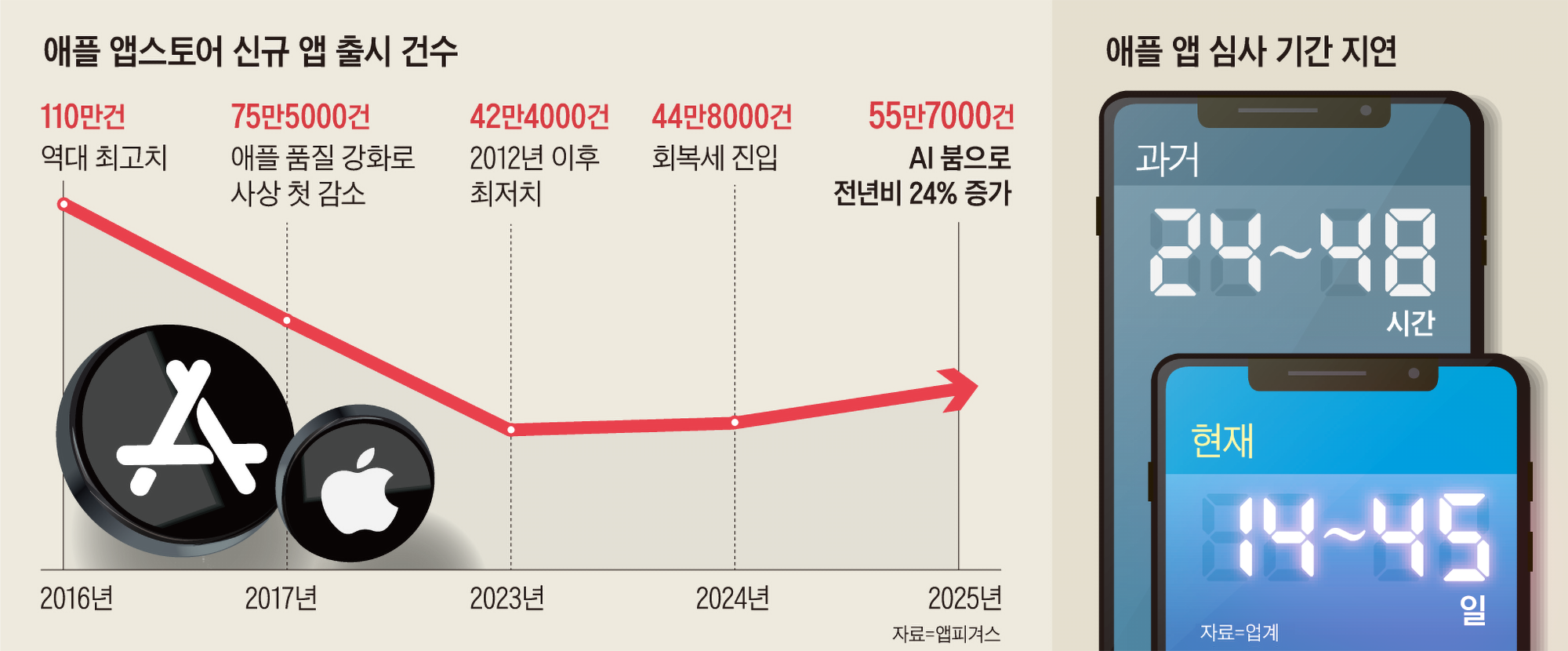
While the ability to create apps without coding skills is impressive, it has led to a surge in low-quality applications. Mobile app analytics firm Appfigures reported that the number of new apps submitted to Apple’s App Store last year increased by 24% compared to 2024, reaching approximately 557,000. The issue lies not in the quantity but in the quality of these apps.
Most of these new applications lack originality, often replicating existing apps or filled with content generated by AI. Over 20% of apps in the top 100 of South Korea’s Google Play Store are simple “PDF reader” apps that read document files. These utility apps, which are easy to create and lack user loyalty, have become prime targets for vibe coding. AI-generated apps exploit search algorithms to dominate rankings, forcing users into in-app purchases or ad views, effectively becoming “profitable spam.”
Apple’s Collapsed ‘Gatekeeper’ Role... Review Delays Reach One Month
The flood of millions of apps has overwhelmed Apple’s review teams, which are tasked with ensuring app security and quality. In the past, Apple completed reviews within 24–48 hours, but developers now report delays of 14 to 45 days. Critics argue that prioritizing quantity over quality has eroded trust in the platform.
Forbes highlighted the situation, stating, “Apple’s ‘gatekeeper’ role has effectively collapsed.” With such long delays, users are left waiting for updates and new features, while the quality of apps continues to decline.
Dying Developers... Is the ‘Dead Internet Theory’ Becoming Reality?
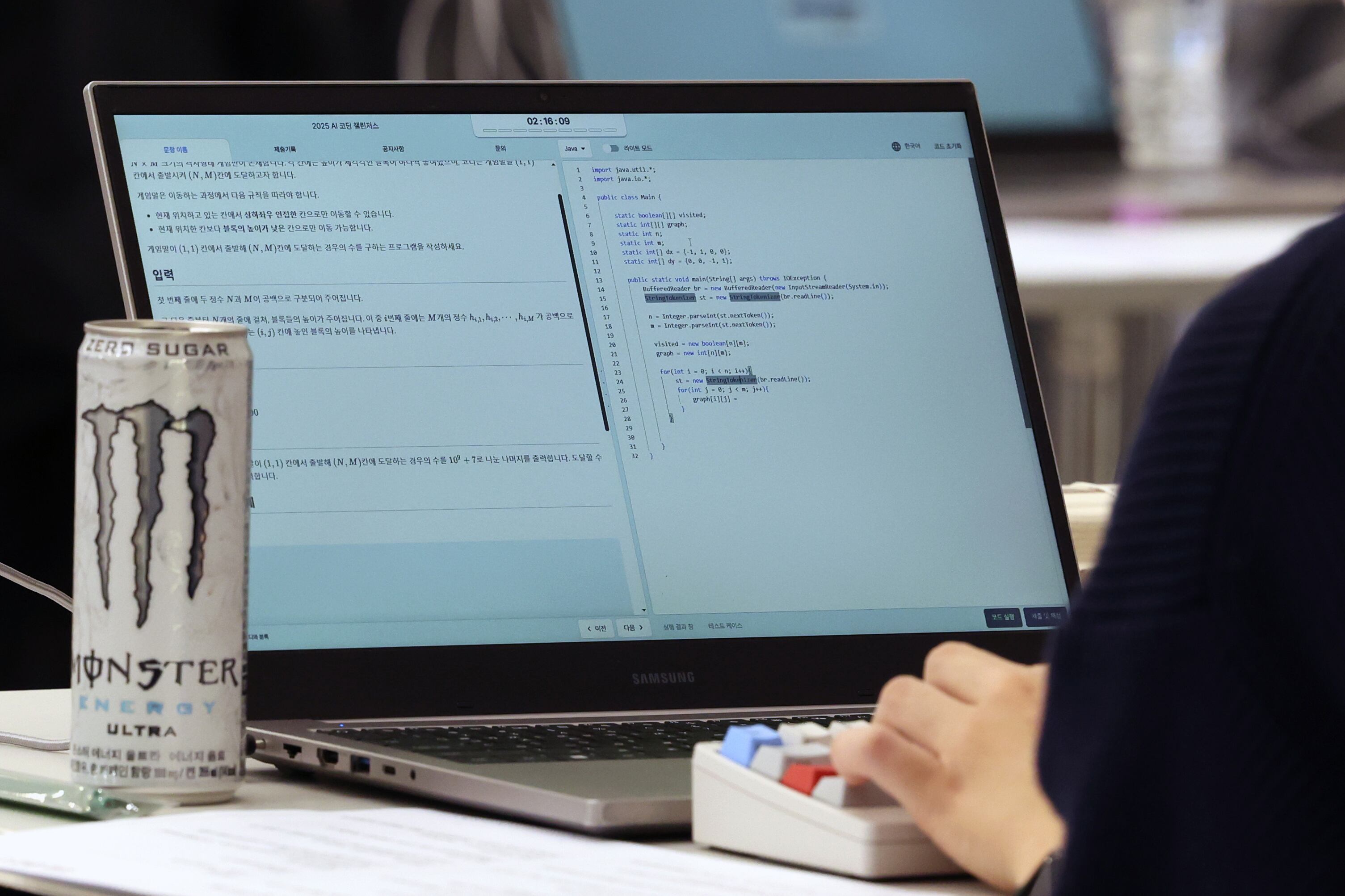
The ultimate victims of this AI-driven deluge are genuine developers who create value through quality apps. They are being pushed to the margins by the sheer volume of AI-generated content. This influx risks driving small developers out of business and stifling innovation.
One indie developer shared their concerns, saying, “In the past, a good app would gain users through word-of-mouth, but now, standing out among tens of thousands of clones requires massive marketing costs.” This shift has made it increasingly difficult for independent creators to compete in a market dominated by AI-generated apps.
The tech industry warns of a real-world “Dead Internet Theory”—a hypothesis where most online content becomes meaningless AI-generated noise. A source from the tech industry explained, “If platforms fail to filter AI slop, users disillusioned by poor usability will eventually leave.”
Subscription Offers for News Readers
For news readers looking for affordable options, there are several subscription packages available. For example, a monthly membership costs 5900 won, with a discounted rate of 2900 won for newspaper readers. The Chosun Membership offers access to 8 different newspapers and magazines worth 55000 won. Additionally, members receive 7000 points that can be used like cash for shopping, making it an attractive option for those who want to save money while staying informed.
