AI-Generated Animals Rule China's Social Media Trends
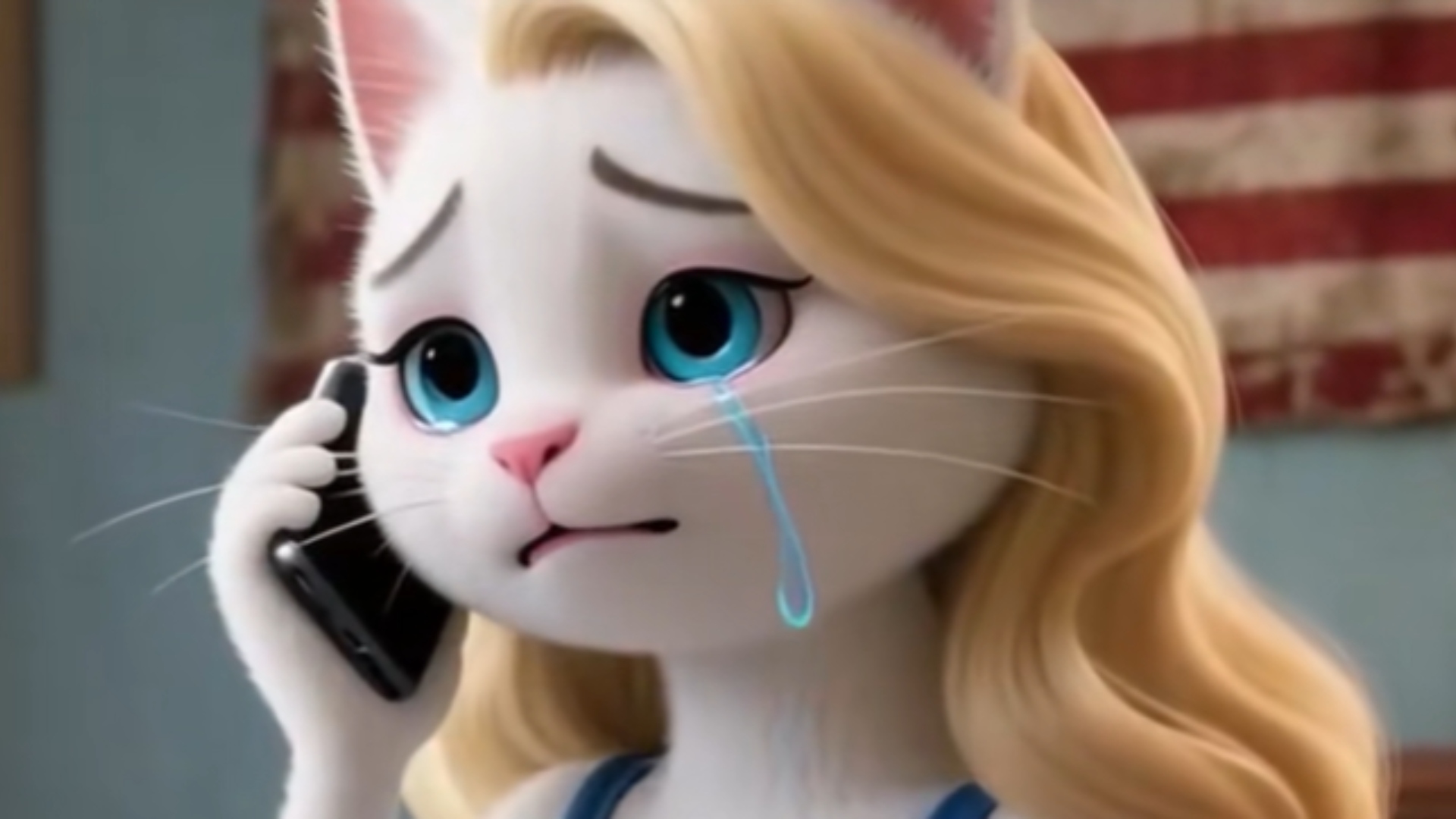
The Rise of AI-Created Animal Stories in China
On the Chinese internet, cats and dogs have long been the stars of heartwarming videos. However, a new phenomenon is shaking things up: these animals, now entirely created by artificial intelligence, are taking center stage in hugely successful mini-series. Behind their cute appearances lies a veritable digital industry that blends emotion, technology, and profitability.
Touching Stories… Generated by Algorithm
On short-video apps hugely popular in China, entire stories are now being written and animated by AI. One of the most famous tells the story of a working-class cat mocked by wealthy animals, who ultimately succeeds and proves his worth. The recipe: a blend of empathy, revenge, and a popular moral message—but without actors or cameras.
These clips, often barely a minute long, attract millions of views. A single account, managed by an independent creator using free AI tools, can rake in several thousand euros a month. All with minimal investment: a few reused texts, automatically generated images, and a little imagination to tie it all together.
Designers Who Make a Living From It
Several amateur videographers have turned to these "animal dramas." Some mix species and worlds: a Bichon Frise becomes a princess, a cat transforms into a superhero, or a kind-hearted dog finds her prince. These ultra-short "soap operas" play on very human emotional tropes—jealousy, humiliation, triumph—to provoke strong reactions and build audience loyalty.
Virtual pets are also used to promote real products, from pet care to food. It's an effective, and often more fun, way to bypass traditional advertising.
When the Machine Knows How to Make You Cry
What's fascinating is that these creations generate an emotion as authentic as if they were true stories. The viewer laughs, becomes attached, is outraged – almost forgetting that everything was created by software.
However, while some internet users marvel at this, others are deeply saddened: they see AI-generated content enjoying meteoric success, while creators, illustrators, and cartoonists, despite being fully legitimate and talented, struggle to gain recognition. AI is increasingly favored because it "costs nothing," while allowing for huge profits—at the expense of human labor, vibrant creativity, and fair compensation.
The Impact of AI on Creativity and Emotion
These digital fables, somewhere between entertainment and experimentation, demonstrate the extent to which AI can replicate human emotions. In China, as elsewhere, these fables reflect our fascination with simple stories capable of moving us—even when they are no longer based on reality.
The Future of AI in Storytelling
As AI continues to evolve, its role in storytelling is becoming more prominent. The ability to generate emotionally engaging narratives opens up new possibilities for content creation. However, it also raises important questions about the value of human creativity and the ethical implications of using AI to produce content that mimics real-life experiences.
The rise of AI-generated animal stories highlights the growing intersection between technology and art. While these stories may not be real, they resonate with audiences in ways that challenge traditional notions of authenticity and authorship.
Challenges and Opportunities
For creators, the rise of AI presents both challenges and opportunities. On one hand, it offers a powerful tool for producing content quickly and efficiently. On the other hand, it threatens to undermine the value of human creativity and the livelihoods of artists and storytellers.
As the popularity of AI-generated content continues to grow, it will be essential to find a balance between innovation and the preservation of artistic integrity. This includes ensuring that creators are fairly compensated and that the unique contributions of human artists are recognized and valued.
Conclusion
AI-generated animal stories represent a fascinating shift in how we consume and create content. They showcase the potential of technology to evoke emotion and connect with audiences. However, they also raise important questions about the future of creativity and the role of human artists in a world increasingly shaped by artificial intelligence.
As this trend continues to evolve, it will be crucial to consider the broader implications for the creative industries and the communities that rely on them. The journey of AI in storytelling is just beginning, and its impact will likely be felt for years to come.
