City Council Approves Cameras for Rockford's Flock Location Tracking
Expansion of Flock Safety Contract Sparks Community Debate
Rockford, Illinois, witnessed a long and heated debate among city council members as they decided to expand their contract with Flock Safety. The decision came under significant pressure from the local community, which has increasingly called for an end to the use of automatic license plate reader (ALPR) cameras. The final vote was 13-1 in favor of the expansion, with Ald. Gina Meeks casting the sole 'no' vote.
Overview of the Contract Expansion
Flock Safety, an Atlanta-based tech company, currently provides Rockford with approximately 130 location tracking cameras deployed across roadways and in police vehicles. With the council's approval, the city will add 27 new ALPR cameras to its existing system. While Flock owns the cameras, the collected data remains under the control of the Rockford Police Department. This data is stored in a database that can be accessed during investigations.
The $443,998.16 contract was approved by the council, marking a significant step in the city’s relationship with Flock Safety. However, the meeting was marked by intense public scrutiny and vocal opposition from residents concerned about privacy and surveillance.
Public Outcry and Concerns
Before the meeting began, Christopher Bayer shared his frustrations with WIFR, highlighting the growing number of communities that have either switched away from Flock or deactivated its cameras. He pointed to concerns over data mishandling and mass surveillance. "We want to make sure we join other cities in this nation and more specifically cut ties with the automated license plate reader technology," Bayer said. "Surveillance isn’t safety."
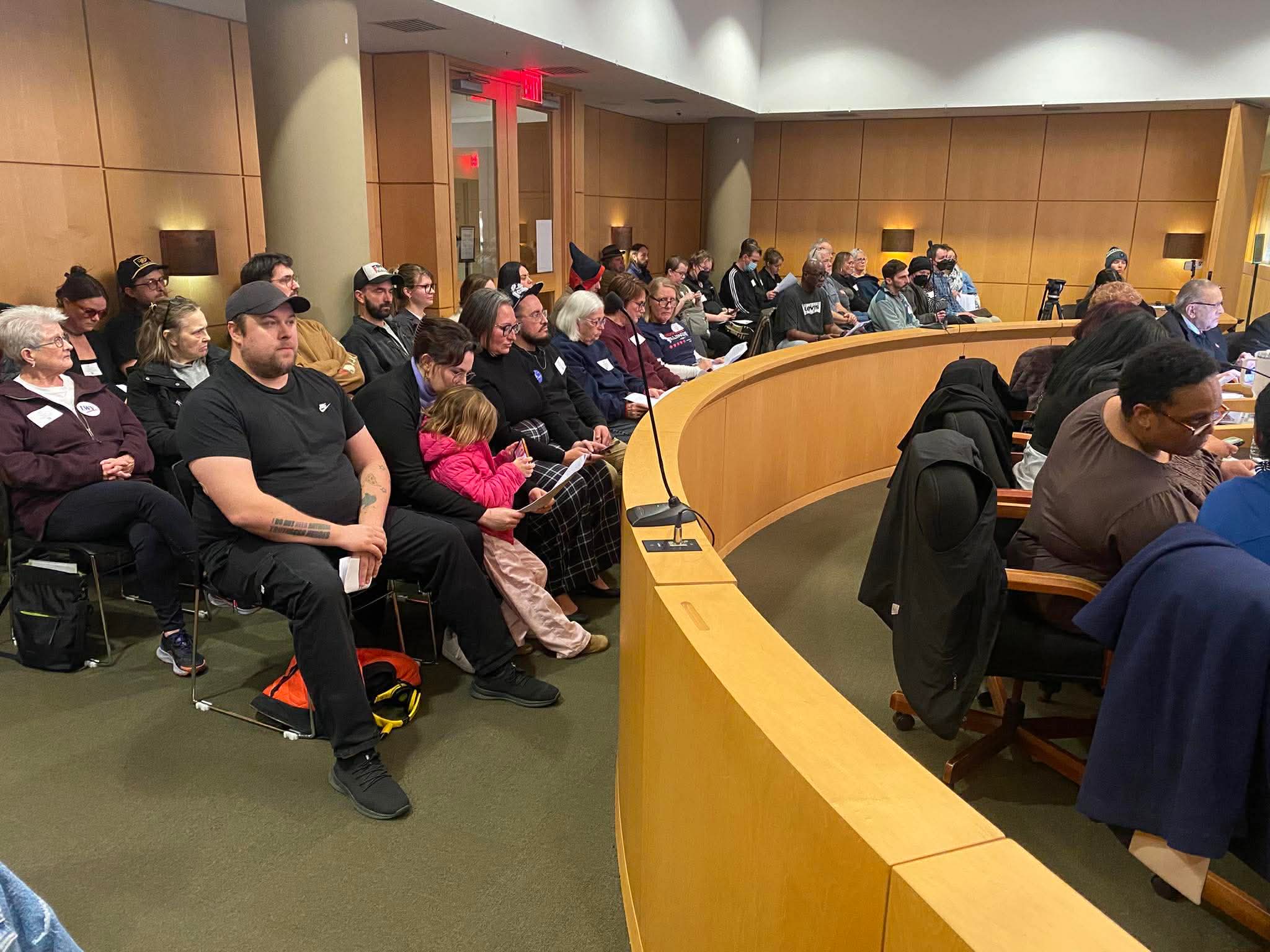
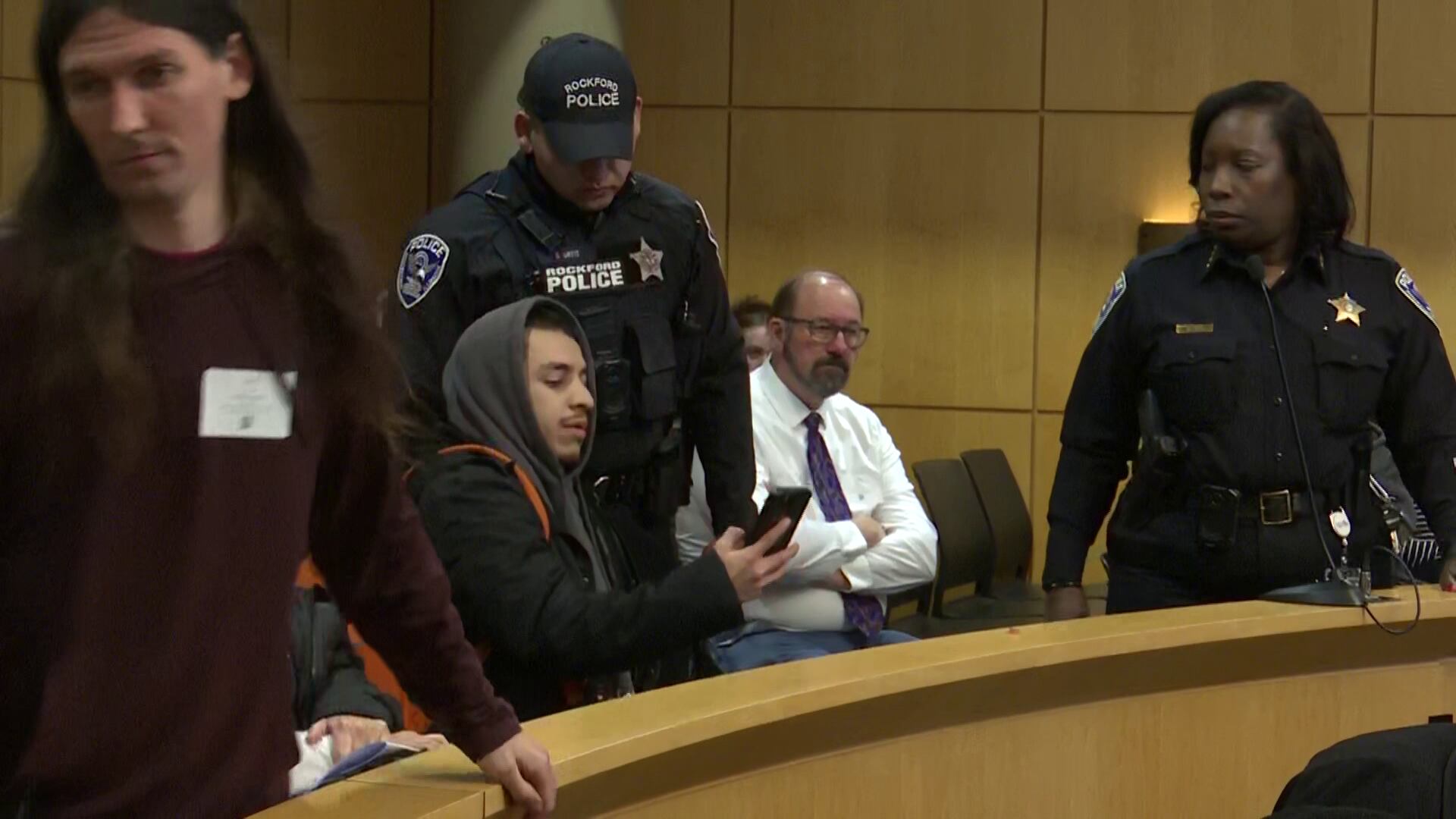
The council chambers were filled to capacity, with audience members expressing their opinions through snaps, claps, and boos depending on the comments made by city leaders and staff.
The Debate Continues
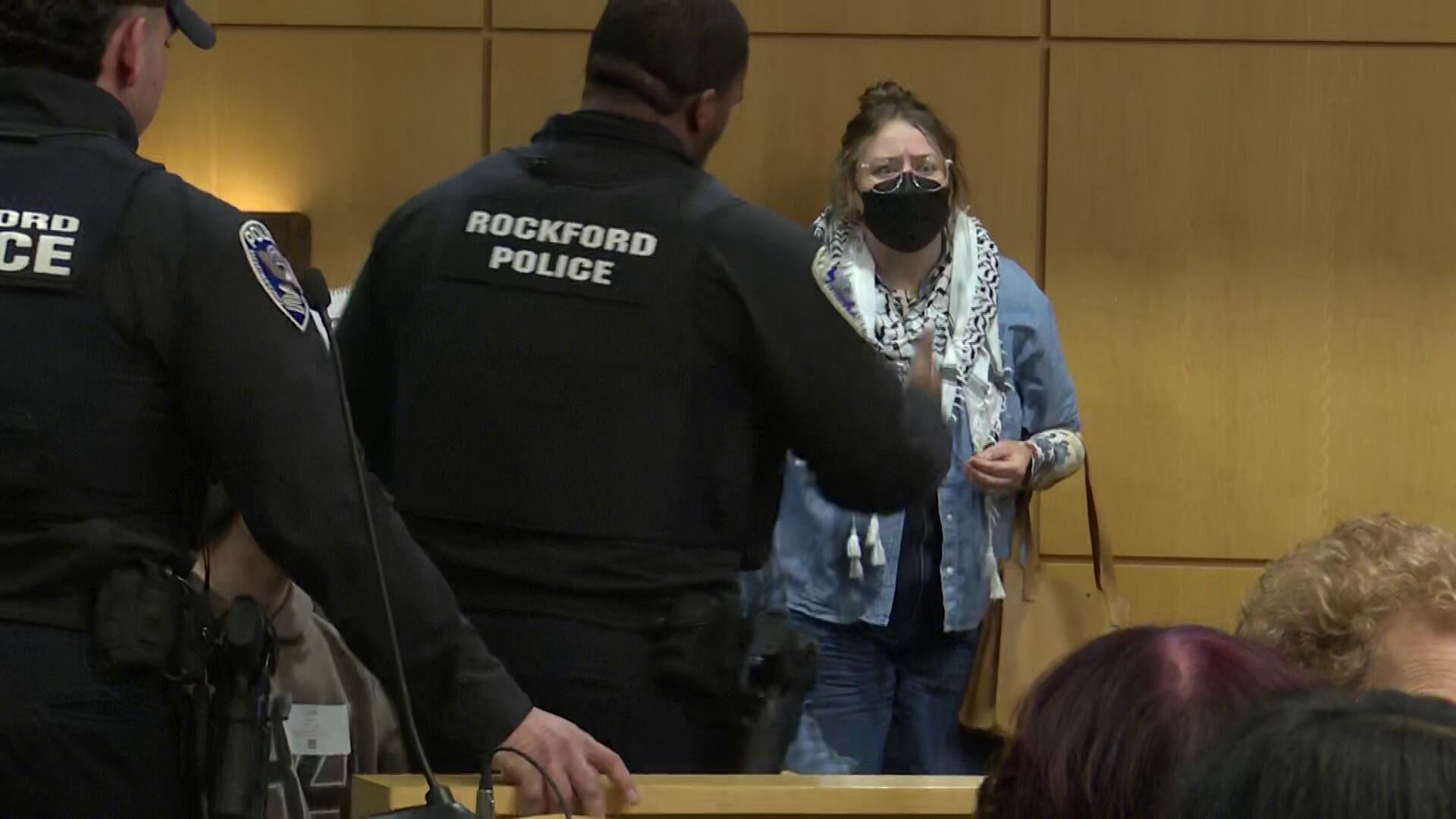
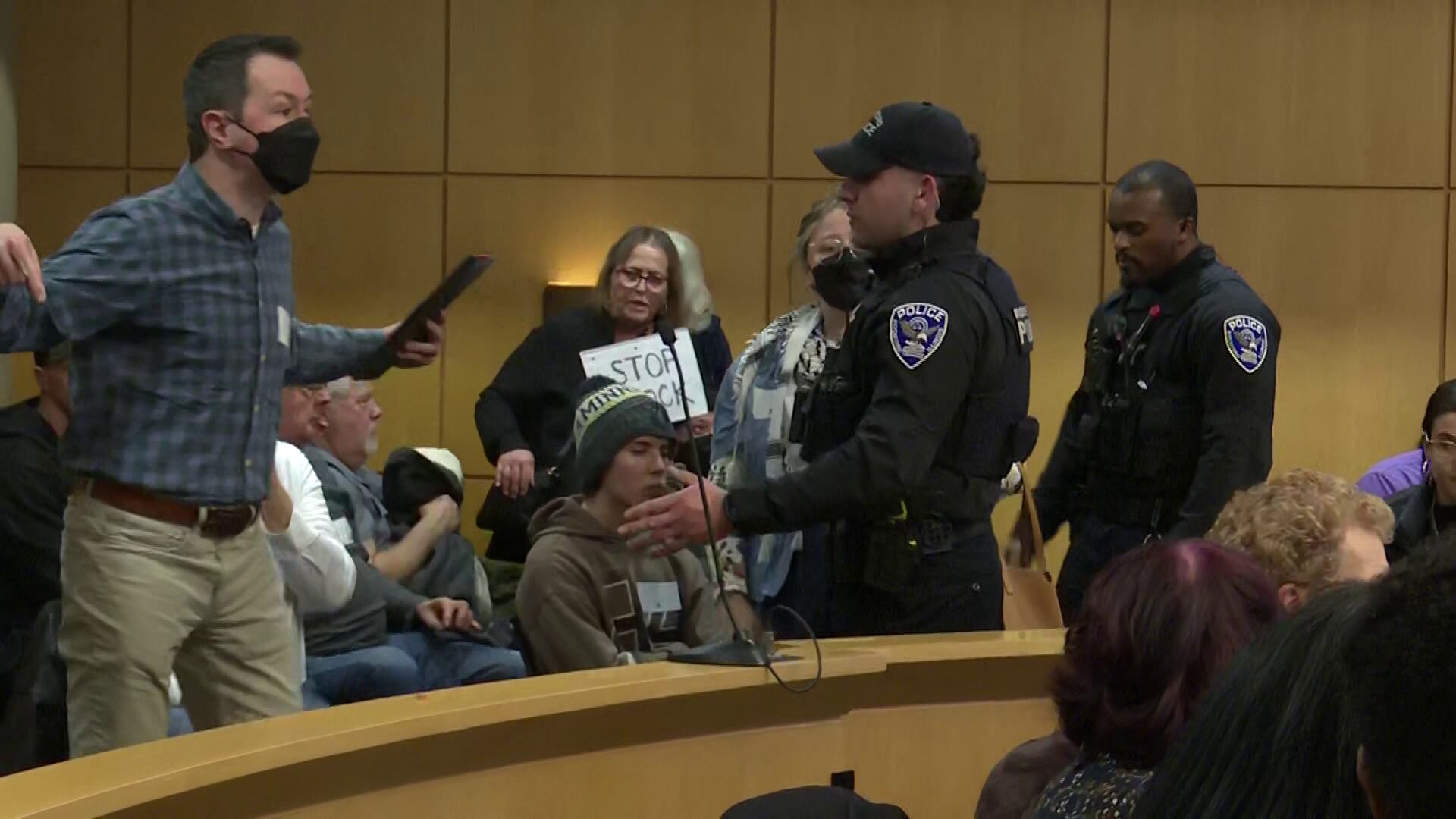
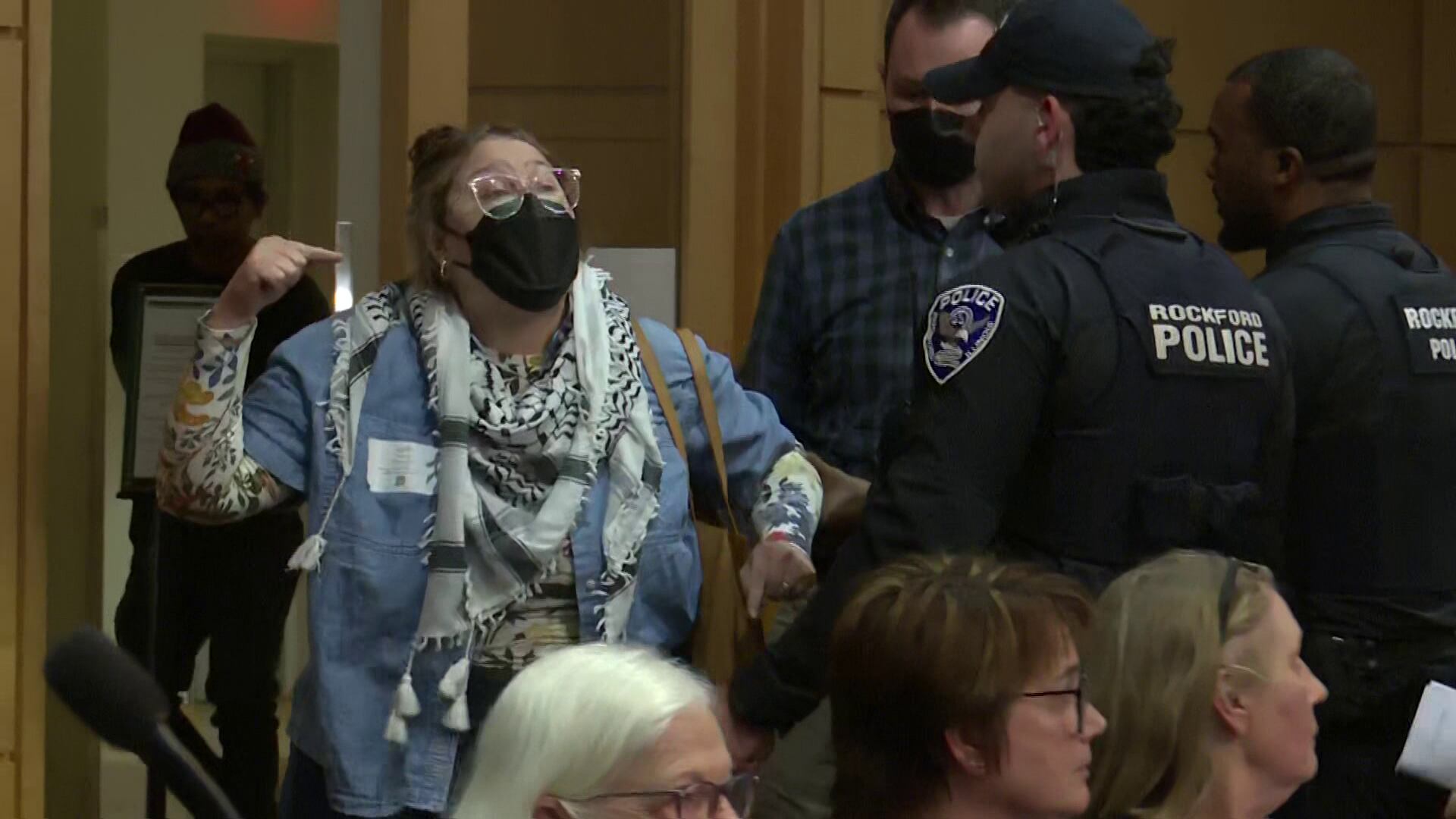
As the meeting stretched into late Monday night, Mayor Tom McNamara warned the audience against interruptions. However, during a comment from Ald. Frank Beach supporting Police Chief Carla Redd, a critic shouted, “Mass surveillance is not safety.” Police escorted the individual and three others out of the chamber, though no arrests were made.
The debate centered around the best path forward for the city’s relationship with Flock. Some council members called for a delay in the contract vote, while others, like Ald. Chad Tuneberg, referenced improvements in the community attributed to the technology.
Chief Redd emphasized the role of ALPRs in identifying nearly every murder suspect since 2023 in Rockford. She also mentioned that the new cameras would focus on vulnerable retail areas such as N. Rockton Ave. and W. Riverside Blvd.
Data Collection and Sharing Concerns
Ald. Jaime Salgado and Ald. Meeks pressed city staff for answers regarding Flock’s data collection and sharing practices. In August 2025, Illinois Secretary of State Alexi Giannoulias claimed that Flock had illegally shared data with federal border enforcement. His findings alleged that out-of-state police had also searched for a woman who recently had an abortion.
Flock denied these allegations, stating in a prior statement that its cameras are “incapable of tracking the whole of anyone’s movements,” a determination consistently made by courts across the country.
Redd clarified that Rockford’s data is only shareable with Illinois agencies. Her agency follows state guidance by turning off a feature that would allow national access to the community’s license plate collection. She reiterated that a limited number of officers handle the data, face consequences if misused, and that unused plates are deleted every 30 days.
“Understandably, the questions that have come to the forefront now definitely were not an issue in 2022,” conceded Redd. When asked about alternatives to Flock, the chief stressed that she only brings the council the best option for public safety. “We did a comparison, apples to apples, with another LPR company and Flock’s cameras — their LPRs performed much better.”
Community Response and Delay Efforts
Following Giannoulias’ investigation, Flock paused its data-sharing pilot program with federal agencies. This statement, when shared by city staff, sparked groans and skepticism from some in the crowd and from Meeks. “I still have apprehensions. The word ‘pause’ gives me pause,” she claimed.
Ald. Tamir Bell attempted to push for a two-week layover and send the Flock contract to the Community Relations Commission. He argued that this move would allow for more public comment, as city council meetings are limited to five speakers. The motion failed in a 7-7 vote, with Mayor McNamara choosing not to break the tie.
Final Vote and Future Considerations
For delay: Ald. Gabrielle Torina, Ald. Aprel Prunty, Ald. Dawn Granath, Ald. Salgado, Ald. Meeks, Ald. Bell, Ald. Mark Bonne.
Against delay: Ald. Tim Durkee, Ald. Jonathan Logemann, Ald. Tuneberg, Ald. Kevin Frost, Ald. Janessa Wilkins, Ald. Karen Hoffman, Ald. Beach.
After the layover’s failure, the debate seemed to wane. Legal staff noted that the city’s contract with Flock could be terminated if the company violates its terms. Redd also mentioned that Flock’s cameras are incompatible with other software if the city chooses to terminate its contract in the future. She asserted that police have no current plans for expanding beyond the 27 new cameras.
Rockford could turn off its ability to share with any agency, including those in Illinois. Redd warned that other agencies may reciprocate and end sharing with the city.
