Simon Cowell's happiness secret only for the wealthy
The Digital Detox Trend Among the Wealthy
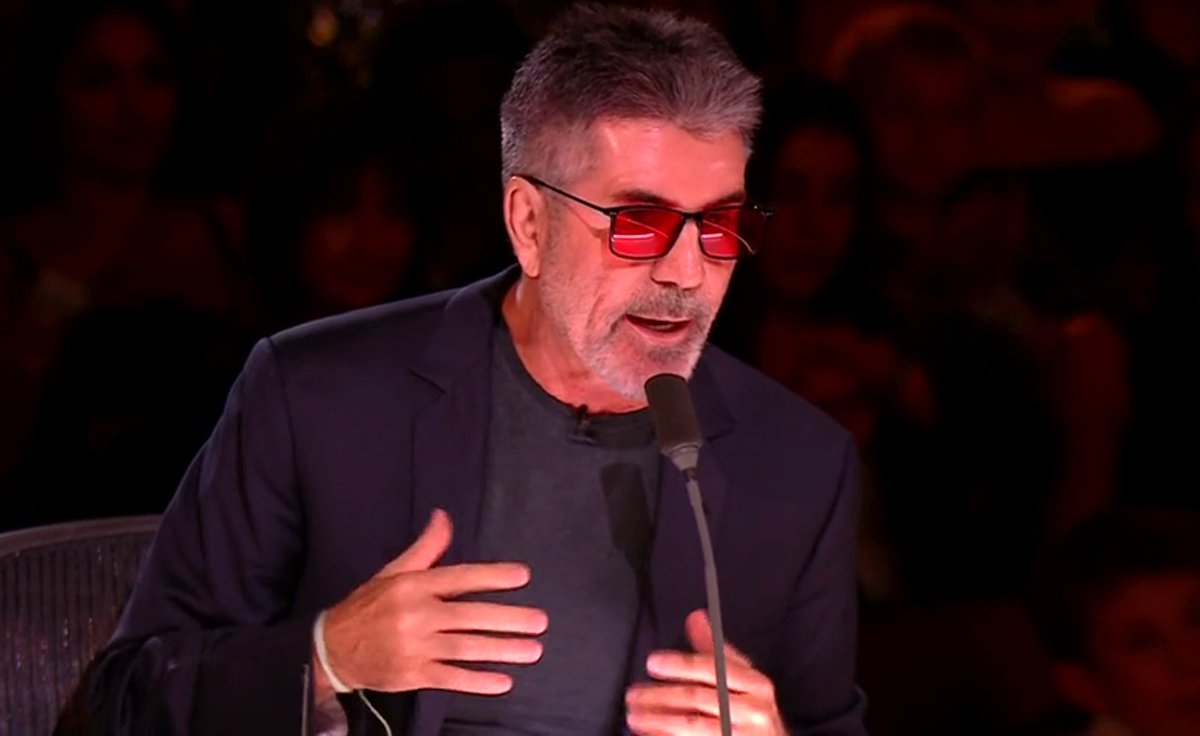
Simon Cowell, the renowned judge on Britain’s Got Talent, has reportedly gone eight years without a mobile phone. His fiancée, Lauren Silverman, claims this decision has had an “extraordinary” impact on his happiness and wellbeing. While this revelation might seem surprising, it’s not entirely out of the ordinary when considering the growing trend among celebrities to disconnect from digital life.
Silverman described Cowell as being “ahead of the curve” for choosing to ditch his phone. She emphasized that this move has freed him from the constant stream of notifications, distractions, and digital noise that many people struggle with daily. While it’s easy to imagine how such a lifestyle could improve mental clarity and reduce stress, the question remains: is this kind of digital detox accessible to the average person?
For most of us, smartphones are essential tools for communication, work, and daily tasks. Imagine if someone could magically remove all your work emails, WhatsApp messages, Slack alerts, Royal Mail notifications, and even spam calls. It’s tempting to think that doing so would lead to a more relaxed existence. However, the reality is that these tools are deeply embedded in modern life, making it difficult for most people to simply walk away.
What makes Cowell’s story particularly interesting isn’t just that he’s happier without a phone—it’s that we’re seeing similar narratives from other high-profile individuals whose lives appear incredibly busy. Yet, they’ve chosen to opt out of smartphone use, suggesting that the trend is becoming more common among the rich and famous.
Celebrities Who Have Gone Phone-Free
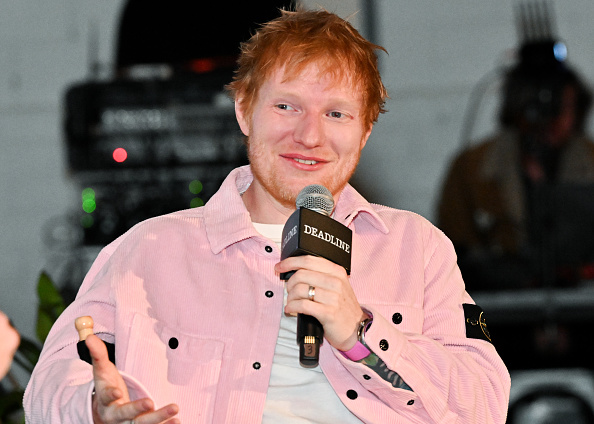
Christopher Walken, for instance, has never owned a mobile phone or used social media. Similarly, Ed Sheeran has been without a smartphone since 2015, citing the pressure to constantly respond to messages as a key reason for his decision. Woody Harrelson prefers not to be “readily available to any human being at any time,” while Elton John relies on staff to manage his social media presence.
Tom Cruise famously claimed he had no phone, email address, or interest in either, stating that he simply wanted to focus on his family and career. These statements sound ideal, but they raise an important question: who handles the day-to-day tasks that most people rely on their phones for?

Upon closer inspection, it becomes clear that these celebrities haven’t truly disconnected from technology—they’ve merely outsourced the responsibilities that come with it. Their assistants, staff, and teams continue to handle communications, bookings, and other administrative tasks. In essence, these individuals have reached a level of wealth and influence where they can afford to avoid the burden of managing technology themselves.
The Privilege of Disconnection
This trend highlights a growing divide between those who can afford to disconnect and those who cannot. For many, smartphones are not just convenience tools—they are necessary for work, school, and social interactions. Schools now communicate with parents through apps, employers expect real-time responses, and even simple tasks like ordering lunch require app usage.
The contrast between the wealthy and the rest of society is striking. Decades ago, access to technology was a symbol of status. Today, the opposite seems to be true: the very wealthy can afford to disconnect, while the majority of people are increasingly dependent on digital tools.

Research continues to show that excessive screen time can lead to anxiety, distraction, and poor sleep. As a result, industries have emerged to help people reduce their reliance on devices. Yet, despite these efforts, many people feel trapped by their digital obligations.
Cowell has compared mobile phones to toasters, saying they are “boring” and unnecessary to carry around constantly. He also mentioned that he and his son Eric use a heavily restricted device with no social media access. While this sounds appealing, it’s easier said than done for most people.
The challenge lies in achieving a similar level of digital disconnection without the support of a team or the resources that come with extreme wealth. For the average person, stepping away from their phone means sacrificing convenience, connectivity, and often, job opportunities.
A New Definition of Privilege
Stories like Cowell’s reflect a shift in what it means to be privileged. Once, privilege meant having access to the latest technology before others. Now, it means having the freedom to ignore it altogether. This change underscores a broader conversation about the role of technology in our lives and the growing disparity between those who can control it and those who are controlled by it.
While it’s admirable that individuals like Cowell make healthy choices for themselves, hearing them talk about the benefits of a phone-free life can feel somewhat detached from the realities faced by most people. The “country air” may be refreshing, but acquiring the estate to enjoy it is another matter entirely.

In the end, the digital detox trend among the wealthy serves as a reminder of how far we’ve come—and how far we still have to go. As technology continues to shape every aspect of our lives, the question remains: who will be the next to step away, and at what cost?
