College Students Seeking Social Skills Turn to Pre-Millennial Tactics
The Rise of Offline Socialization in Colleges
College students are increasingly finding themselves isolated, struggling to form meaningful connections with others. In response, many are turning to a simple yet effective solution: putting away their cellphones and engaging in real-life interactions. This shift is part of a broader movement that encourages students to step away from their screens and reconnect with the world around them.
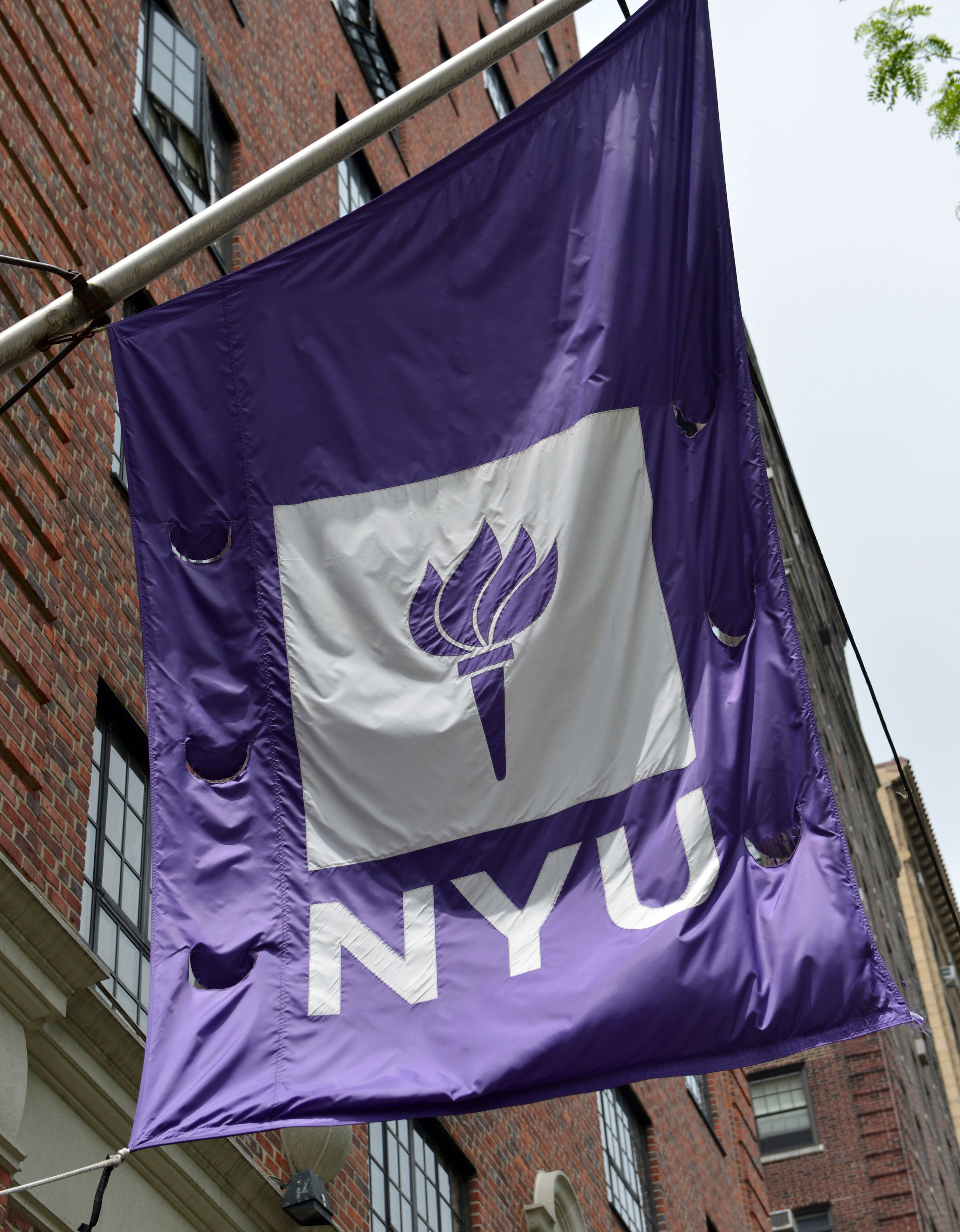
In an era where most students spend a significant portion of their time glued to laptops or phones, colleges are exploring ways to combat feelings of loneliness and foster genuine social bonds. One such initiative is the "NYU IRL" program at New York University, which stands for "in real life." The goal of this program is to promote a cultural change that encourages students to spend more time in the physical world rather than online.
Recently, over 200 NYU students participated in the "Around the Longest Table" dinner event. This unique gathering spanned nearly an entire city block, allowing students and even some staff members to engage in conversations with strangers. According to reports, this event highlighted the importance of face-to-face interaction in building relationships.
Grant Callahan, an NYU junior, shared his perspective on how different college life is today compared to 20 years ago. He explained that growing up in a tech-driven environment, especially during the coronavirus pandemic, has left many young people "socially illiterate." This means they struggle with basic social skills and find it challenging to interact with others in person.
The offline initiative has been implemented across NYU's campuses in New York, Shanghai, and Abu Dhabi. The university plans to incorporate the idea of using devices more sparingly into its student orientations. Students have embraced this concept, attending phone-free parties and other IRL events. Berivan Ibrahim, a senior, noted that her best friend was someone she met when the WiFi went down during her freshman year.
Linda G. Mills, NYU’s president, who has a background in social work and mental health, emphasized the importance of spontaneity and the opportunities for unexpected encounters that happen in college. These interactions can lead to meaningful relationships or changes in one's perspective.
To support this initiative, NYU has created a space called the Nest, where students can dock their phones in a charging tower and engage in analog activities like crafts or reading. During the "Around the Longest Table" dinner, guests only used their phones to make plans and exchange contact information with new friends.
Expanding the IRL Movement Across Universities
NYU isn't the only institution embracing the IRL philosophy. At Yale, there is an "Offline Oasis," a room filled with sunlight and plants where students can socialize without screens. Similarly, the University of Alabama offers "Tech Free Thursdays" at its student center. Meanwhile, the University of California at Berkeley has a class focused on limiting technology use and a Project Reboot club that hosts phone-free events.
This renewed emphasis on in-person socialization comes at a time when a 2024 report from the National Center for Health Statistics revealed that half of teenagers spend four hours or more each night looking at screens for non-academic purposes. As awareness of the negative impacts of excessive screen time grows, many teens are beginning to recognize the need for balance.
According to a Pew Research Center survey from last year, nearly half of teens believe that social media platforms have a mostly negative impact on people their age. This sentiment is reflected in efforts to limit cellphone use among younger students outside of college settings.
Recent research analyzing over 40,000 U.S. schools from 2019 to 2026 found that cellphone bans do have some benefits, though not as significant as school officials had hoped. While locking phones in pouches throughout the day helped reduce screen time, test scores did not improve significantly, and there was little evidence that it reduced online bullying, improved attendance, or enhanced classroom attention.
Despite these findings, the push for more in-person interactions continues to gain momentum. As students and institutions alike recognize the value of face-to-face connections, the IRL movement is likely to grow, offering a much-needed counterbalance to the digital world.
