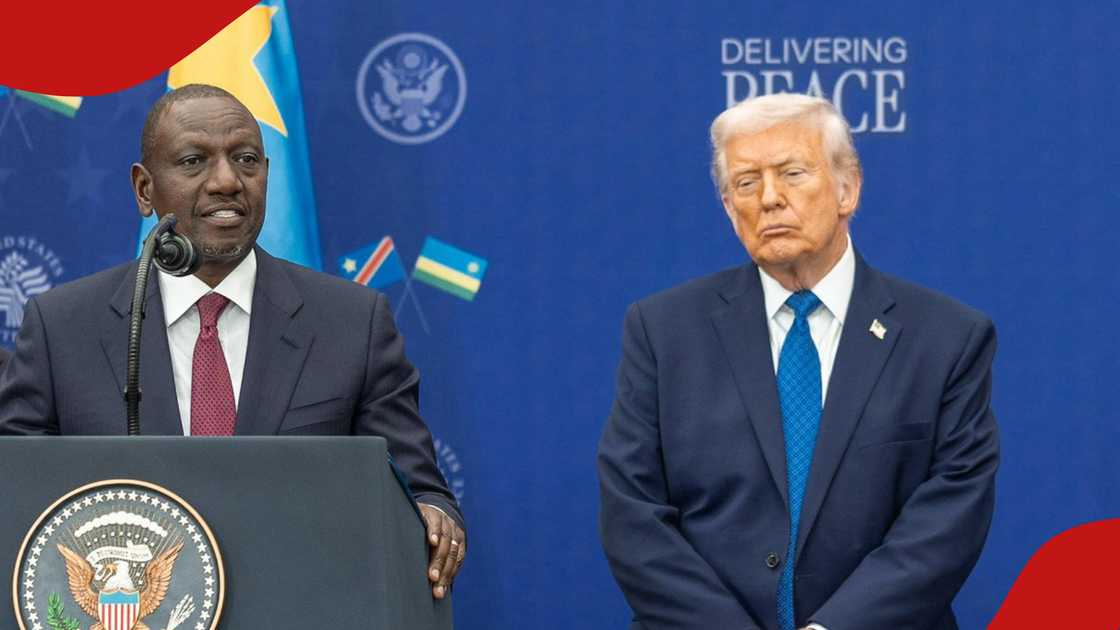
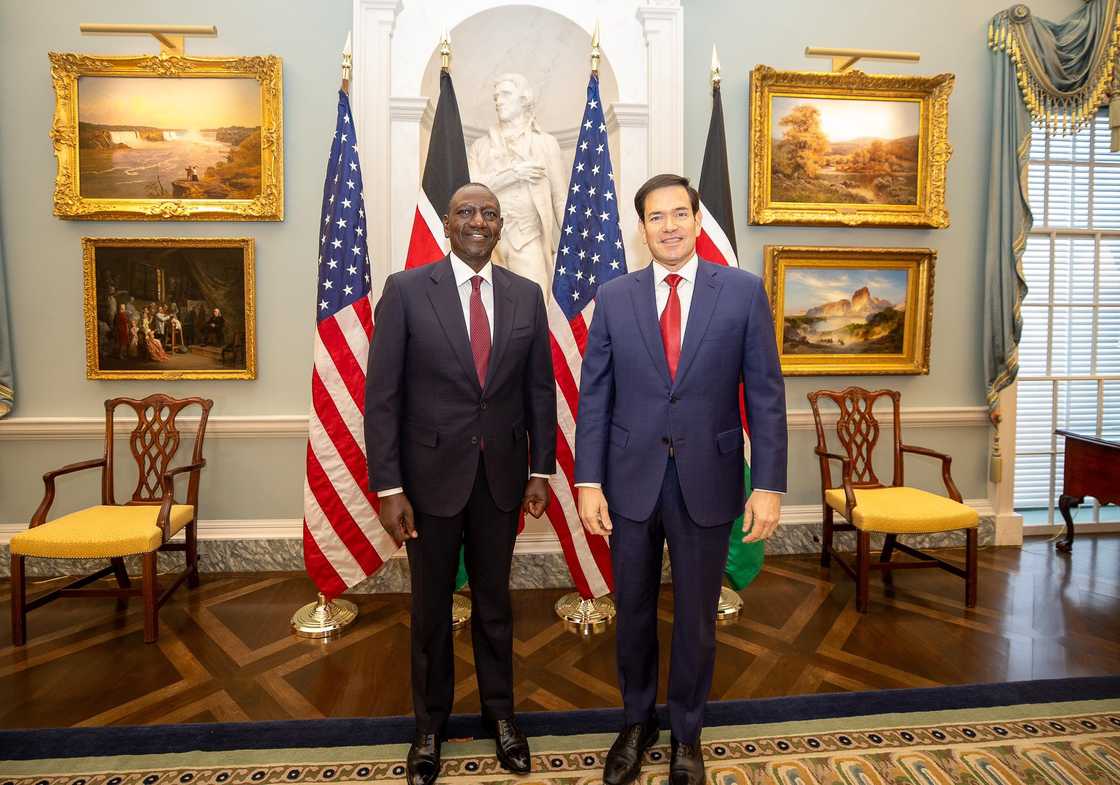
Ruto Unveils $97 Billion Kenya-US Mineral Deal as Washington Challenges Beijing
Kenya-US Mineral Deal: A Strategic Shift in Resource Management
President William Ruto recently announced a significant mineral deal between Kenya and the United States, marking a pivotal moment in Africa’s approach to resource management. The agreement focuses on strategic minerals such as rare earths and niobium, which will now be processed locally rather than exported in raw form.
This development comes in the wake of G7 leaders agreeing to strengthen cooperation aimed at reducing their reliance on China for critical minerals. The move is part of a broader effort to diversify supply chains and ensure national security, especially in sectors like technology and defense.
The Value of Mrima Hill
One of the most notable aspects of this deal is the location of the mineral reserves. Tens of millions of tonnes of rare earth elements and millions of tonnes of niobium are believed to be located beneath the forested Mrima Hill in Kwale county. This area is estimated to hold a value of KSh 9.7 trillion, which represents about half of Kenya’s total economic output.
The significance of this reserve extends beyond its economic value. It could potentially cover around 90% of Kenya’s public debt, currently standing at KSh 12.8 trillion. This makes the Mrima Hill a crucial asset not just for Kenya but also for international players looking to secure access to these vital resources.
The Role of Rare Earth Elements and Niobium
Rare earth elements (REEs) are essential for modern technologies, including artificial intelligence (AI), missile guidance systems, and electric vehicle batteries. These elements include yttrium, lanthanum, and neodymium, among others. Niobium, on the other hand, is considered "non-negotiable" by the US military due to its use in strengthening steel for aircraft engines, oil pipelines, and space equipment.
By processing these minerals locally, Kenya aims to shift from being a mere supplier of raw materials to becoming a key player in the global supply chain. This aligns with President Ruto's vision of fostering partnerships based on investment rather than dependency.
G7 Leaders' Commitment to Reducing China's Influence
On June 17, G7 leaders agreed to enhance cooperation to reduce their countries’ dependence on China for critical minerals. This includes plans to coordinate strategic stockpiles and establish a new platform with an expanded role for the International Energy Agency. Currently, China controls about 70% of the world’s critical mineral processing capacity.
President Ruto emphasized that Africa no longer wants relationships based on resource extraction or dependency. He highlighted that both he and President Trump agree that future partnerships should focus on investment rather than handouts.
Kenya's Mineral Wealth
Kenya is rich in mineral resources, with over 970 identified minerals according to the Ministry of Mining, Blue Economy and Maritime Affairs. Counties such as Kitui, Embu, Tana River, and Turkana are considered to have high mineral potential.
The Institute of Economic Affairs estimates that if fully exploited, the mining sector could generate about KSh 400 billion annually, or up to KSh 10.4 trillion over 25 years. This underscores the potential for economic growth and development through responsible and sustainable mining practices.
Conclusion
The Kenya-US mineral deal represents a significant step towards economic empowerment and strategic independence for Kenya. By focusing on local processing and sustainable investment, the country is positioning itself as a key player in the global mineral market. This shift not only benefits Kenya but also contributes to the broader goal of diversifying global supply chains and reducing reliance on a single source for critical resources.