Yeongdeok-Gijang Chosen for New Nuclear Plants
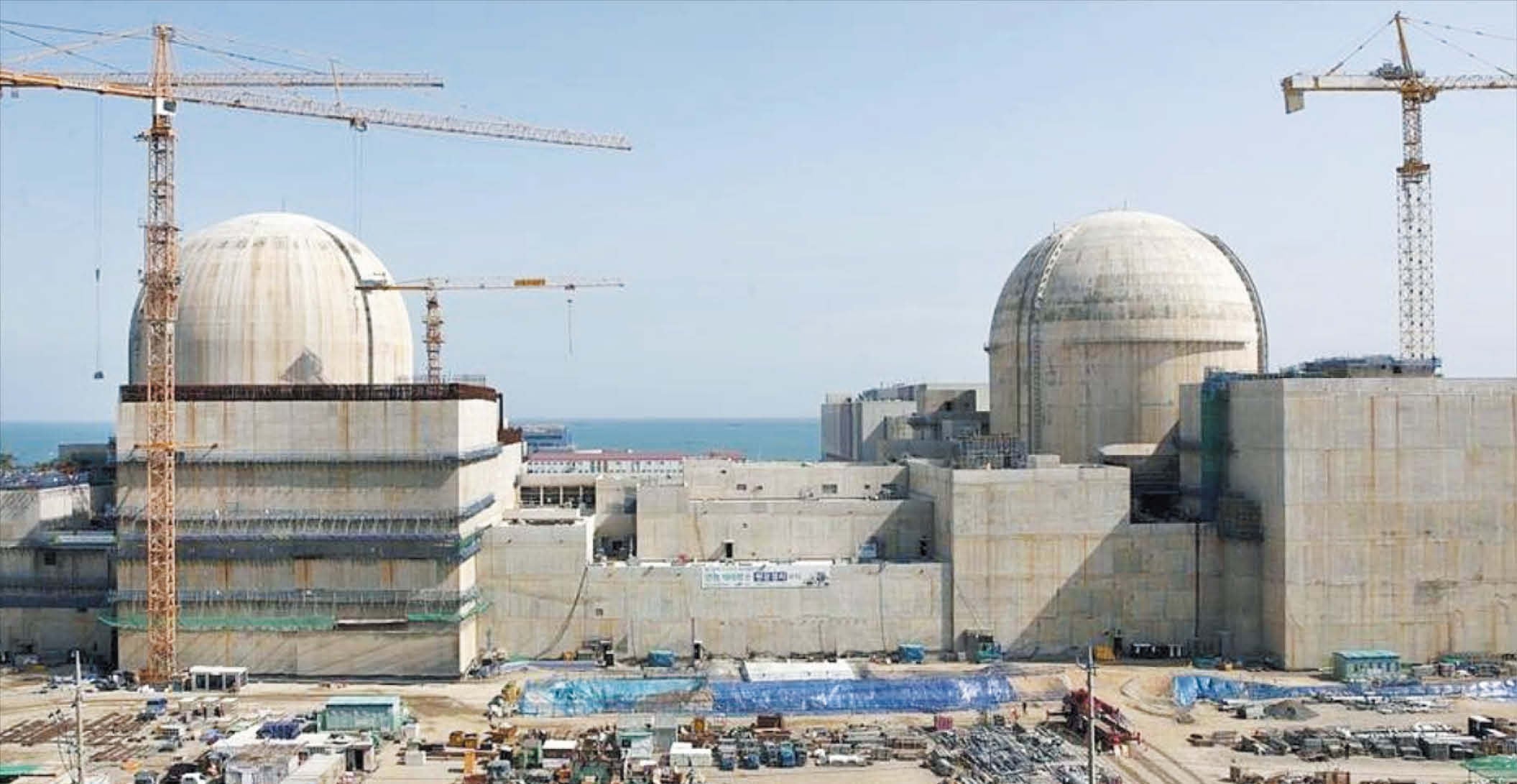
Finalization of New Nuclear Power Plant Sites
Yeongdeok County in North Gyeongsang Province and Gijang County in Busan have been selected as candidate sites for the construction of new nuclear power plants. This decision marks the first time a new nuclear site has been finalized since 2011, when the Samcheok Daejin and Yeongdeok Cheonji nuclear projects were canceled after being designated as candidates.
The selection is part of a broader plan to address South Korea's growing electricity demand, driven by the expansion of AI data centers, semiconductor factories, and electric vehicles. The government has outlined a strategy that includes two large-scale reactors in Yeongdeok and one small modular reactor (SMR) in Gijang.
Large-Scale Reactors in Yeongdeok
Two 1.4GW-class large-scale reactors are planned for Yeongdeok, with commercial operation expected between 2037 and 2038. These reactors will be the 33rd and 34th nuclear units in South Korea. Yeongdeok was chosen over Ulju County in Ulsan, which also applied for the large reactor site. Yeongdeok scored 91.01 points overall, surpassing Ulju’s 82.63 by 8.38 points.
Key factors in Yeongdeok's favor include its high public acceptance score of 23.74, compared to Ulju's 19.63, as well as strong performance in site suitability, environmental impact, and construction feasibility. The county's prior evaluation as a nuclear site kept it in discussions for new large reactors, and it anticipates economic benefits such as job creation, population influx, and regional support funds.
Small Modular Reactor in Gijang
Gijang County will host the nation’s first 0.7GW-class SMR, scheduled for commercial operation in 2035. For the SMR site, Gijang competed against Gyeongju City. Gijang scored 87.11 points, edging out Gyeongju’s 84.56 by 2.55 points.
Gijang emphasized its existing infrastructure and workforce from the Kori Nuclear Power Plant, leading to a higher site suitability score of 21.60 compared to Gyeongju’s 19.80. Its public acceptance score of 21.91 also surpassed Gyeongju’s 20.03. Gijang's location as a key hub for South Korea’s nuclear industry, with accumulated operational experience and a well-established grid network, makes it an ideal site for integrating the SMR with existing systems.
Challenges and Revival of the Process
The selection process faced delays due to the previous administration's negative stance on new nuclear projects, raising concerns about a "second phase of nuclear phase-out." However, a public opinion survey in January showed overwhelming support for nuclear construction, and local governments, fearing population decline, formed committees to express strong commitment, reviving the process.
Advantages of SMRs
SMRs, though smaller in output, are next-generation reactors that reduce construction time and costs by assembling pre-fabricated core components on-site. This innovation is expected to expand South Korea’s nuclear industry into the SMR market.
Next Steps
Despite the finalized sites, several steps remain before actual construction can begin. Environmental impact assessments, construction permits, public consultations, and grid expansion are required. The committee emphasized the importance of stable power supply for national competitiveness and future generations, stating that nuclear energy will play a foundational role in the country's energy strategy.
Economic and Regional Impacts
The new reactors will strengthen the East Coast nuclear industrial base in North Gyeongsang, while the SMR in Gijang could serve as a decentralized power source for industrial complexes or urban areas. Both regions anticipate significant economic benefits, including job creation and increased investment.
Conclusion
The selection of Yeongdeok and Gijang as new nuclear power plant sites represents a critical step in South Korea's energy strategy. With a focus on stability, sustainability, and economic growth, the government aims to position nuclear energy as a cornerstone of the nation's power supply for decades to come.
