A gold standard for crowd safety
AI can play a crucial role in ensuring public safety during the Glasgow 2026 Commonwealth Games and other large-scale events, as highlighted by Nicola Leuchars.
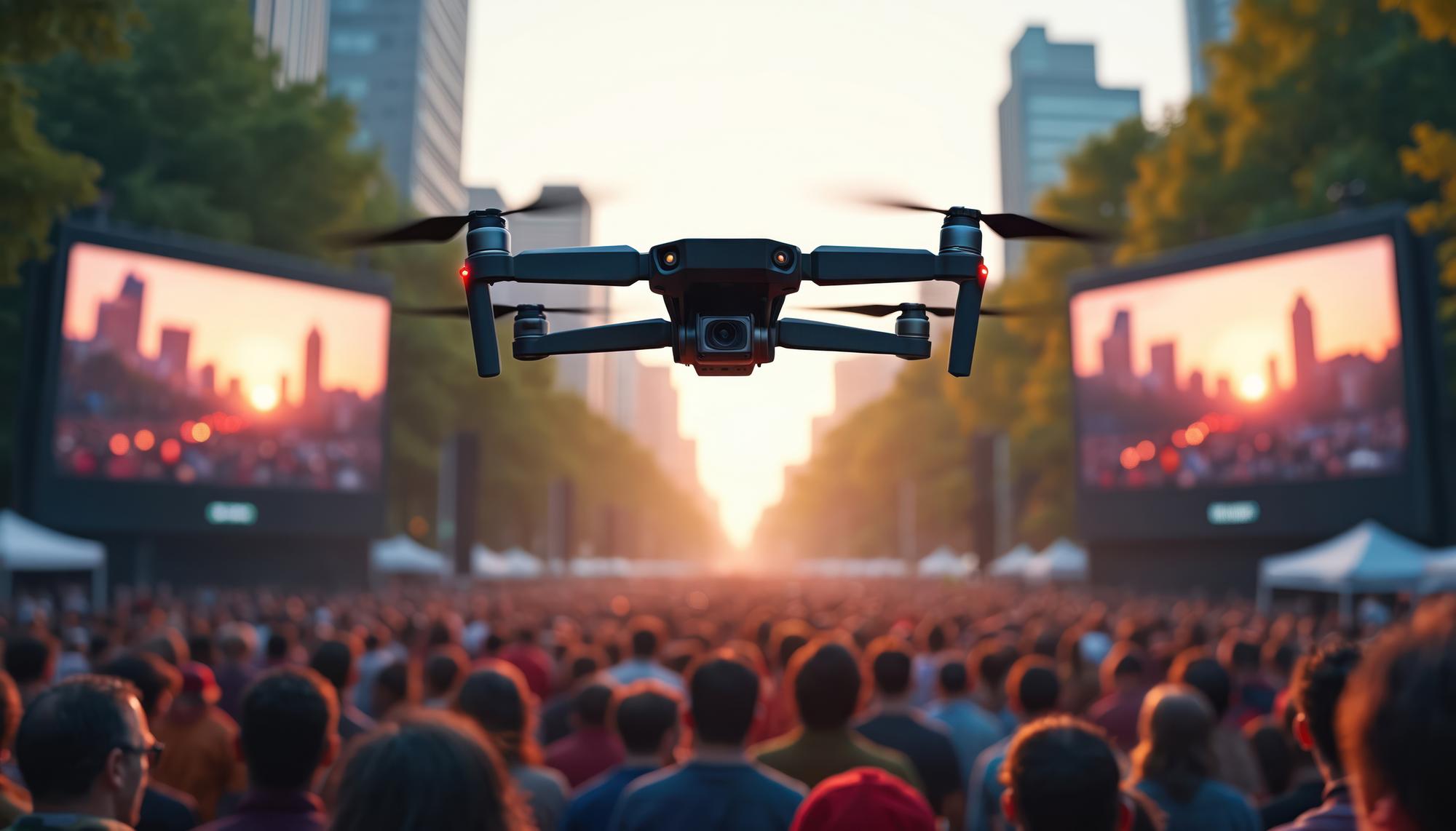
When Glasgow hosts the Commonwealth Games this summer, it will welcome thousands of athletes and hundreds of thousands of spectators over an 11-day programme of sport and culture. Organising such a massive event involves managing numerous challenges, including crowd safety, transport logistics, digital infrastructure, and resilience, all while ensuring a positive experience for visitors, businesses, and local communities.
To address these complex demands, event organisers and public authorities are increasingly turning to artificial intelligence (AI). From monitoring crowd movements to protecting critical systems from cyber threats, AI is becoming an essential tool in planning and delivering major events. While the technology offers significant benefits, it also raises important questions around privacy, ethics, and trust that organisations must carefully consider.
One of the most visible applications of AI at major sporting and cultural events is crowd monitoring. AI-enabled cameras can analyse live footage to detect unusual movement, congestion, or behaviour that may indicate potential risks, such as an emerging conflict. These systems help flag issues early, allowing security teams to intervene before situations escalate.
In addition to fixed cameras, AI is being used through aerial surveillance. At large UK football matches, police have deployed AI-integrated drones to assess crowd density around stadiums and transport hubs. This helps identify bottlenecks or surges in footfall, enabling faster and more informed decisions to prevent dangerous overcrowding.
Cybersecurity is another critical area where AI can provide valuable support. Major events rely on complex digital systems, including ticketing, accreditation, and communication networks, which are vulnerable to cyberattacks. Machine-learning tools can process vast amounts of network data in real time, detecting anomalies that may signal a breach and allowing technical teams to respond quickly. For global events, digital resilience is just as important as physical security.

Facial recognition technology is another growing area of AI application. Internationally, some venues use it to streamline entry processes or prevent known troublemakers from entering. In the UK, its use remains a sensitive issue, but it is increasingly being adopted at Premier League matches by police, reflecting a shift towards data-driven security measures.
These developments extend beyond sports organisations and law enforcement. Many of the challenges faced during major events are shared across various sectors. Retailers, venue operators, transport providers, technology suppliers, and sponsors all have a stake in how AI is used, especially when it affects customers, employees, or the public.
AI can offer businesses greater efficiency, improved safety, and better insights. However, adopting these tools without proper planning can expose organisations to legal, ethical, and reputational risks.
Regulatory compliance is a key consideration. Many AI systems process personal data, which brings data protection obligations into play. Businesses must clearly define why AI is being used, what personal data it will process, and whether the processing is lawful. It is also essential to ensure that the processing is necessary, proportionate, and transparent, with appropriate safeguards in place.
Ethical considerations are equally important. Surveillance technologies, in particular, can erode public trust if used without clear justification or communication. Organisations must balance the benefits of security with respect for individual rights. Addressing issues of equality and bias is also crucial. High-profile legal cases have shown the risks of deploying AI without understanding how systems are trained or whether they produce biased outcomes.
The risks associated with AI can be managed effectively. Key steps include working with reputable suppliers, understanding how systems operate, ensuring human oversight, and regularly reviewing performance.
Nicola Leuchars is Managing Associate, TLT. This article was jointly written by Caroline Loudon, Partner, TLT.
