Fall of India's S-400 System Marks Major Turning Point
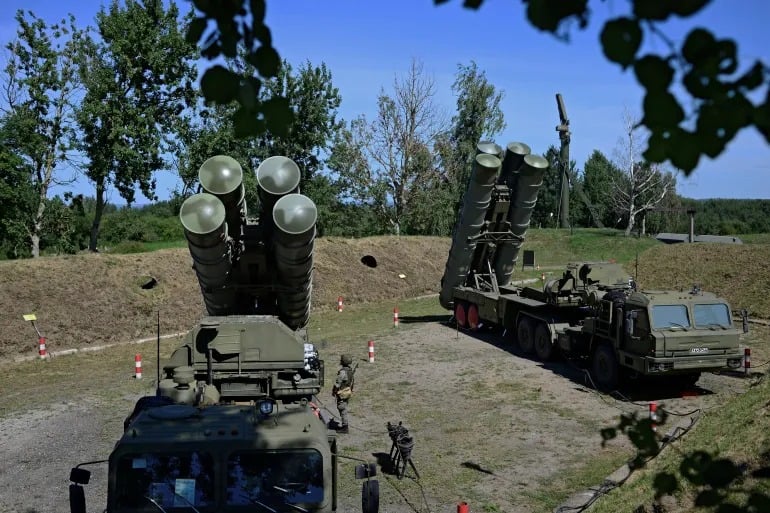
The S-400 Incident: A Major Development in Regional Tensions
The reported destruction of India's Russian-made S-400 air defence system became a pivotal event during the recent conflict between India and Pakistan, known as Marka-e-Haq. This incident captured significant attention from military analysts and strategic experts worldwide. Pakistan claimed to have successfully targeted the advanced S-400 system on May 9, but India denied these allegations despite the growing discourse around the event. The incident has sparked renewed debate about the effectiveness of modern air defence systems in high-intensity regional conflicts.
India's Confidence in the S-400 System
India had long regarded the S-400 as one of its most formidable defensive assets due to its capability to detect and intercept both cruise and ballistic missiles traveling at extremely high speeds. Military analysts often highlighted the system as one of the most advanced air defence platforms globally, capable of engaging multiple aerial threats simultaneously. This technological edge contributed to a strong sense of confidence in the S-400 before the reported attack.
Pakistan's Claims and the Impact on Indian Defense
Pakistan asserted that it specifically targeted the S-400 command centre located in Udhampur, causing significant operational disruption. The country reportedly forced India to arrange replacement equipment after the ceasefire. Reports following the incident suggested that the command centre suffered severe damage, which weakened India's air defence coordination in the affected region. Additionally, claims of casualties linked to the attack further heightened the attention surrounding the operation.
India's Response and Strategic Messaging
Indian Prime Minister Narendra Modi was seen in photographs near an S-400 missile launcher, which many observers interpreted as an attempt to counter Pakistan's claims regarding the destruction. However, defence experts pointed out that the S-400 system comprises several operational components, including a radar truck, command centre truck, and missile launcher vehicles deployed separately within each battalion. Therefore, images showing a launcher alone did not directly address the claims about damage to the command centre.
Controversy Over Casualties and Official Statements
Additional reports indicated that an operator named Ram Babu Singh was killed during the strike while stationed inside the S-400 command centre. Later, Indian authorities reportedly revised their official statements regarding his role and affiliation, claiming he had no connection to the S-400 system despite earlier reports suggesting otherwise. This inconsistency fueled further speculation and debate about the incident across regional and international defence discussions.
Implications for Modern Warfare
The reported strike on the S-400 system became a major talking point because it challenged perceptions about the invulnerability of advanced missile defence technology in modern warfare. Supporters of Pakistan's claims viewed the operation as evidence of strategic precision and military capability during Marka-e-Haq. On the other hand, critics continued to question the extent of the reported damage. Despite the controversy, the incident remains one of the most widely discussed military developments linked to the conflict.
Ongoing Debate and Future Outlook
The incident has underscored the complexities of modern warfare and the importance of reliable intelligence and strategic planning. As both nations continue to navigate the challenges of regional security, the effectiveness of advanced defence systems will remain a critical topic of discussion. The events surrounding the S-400 system serve as a reminder of the evolving nature of military technology and its impact on global security dynamics.
