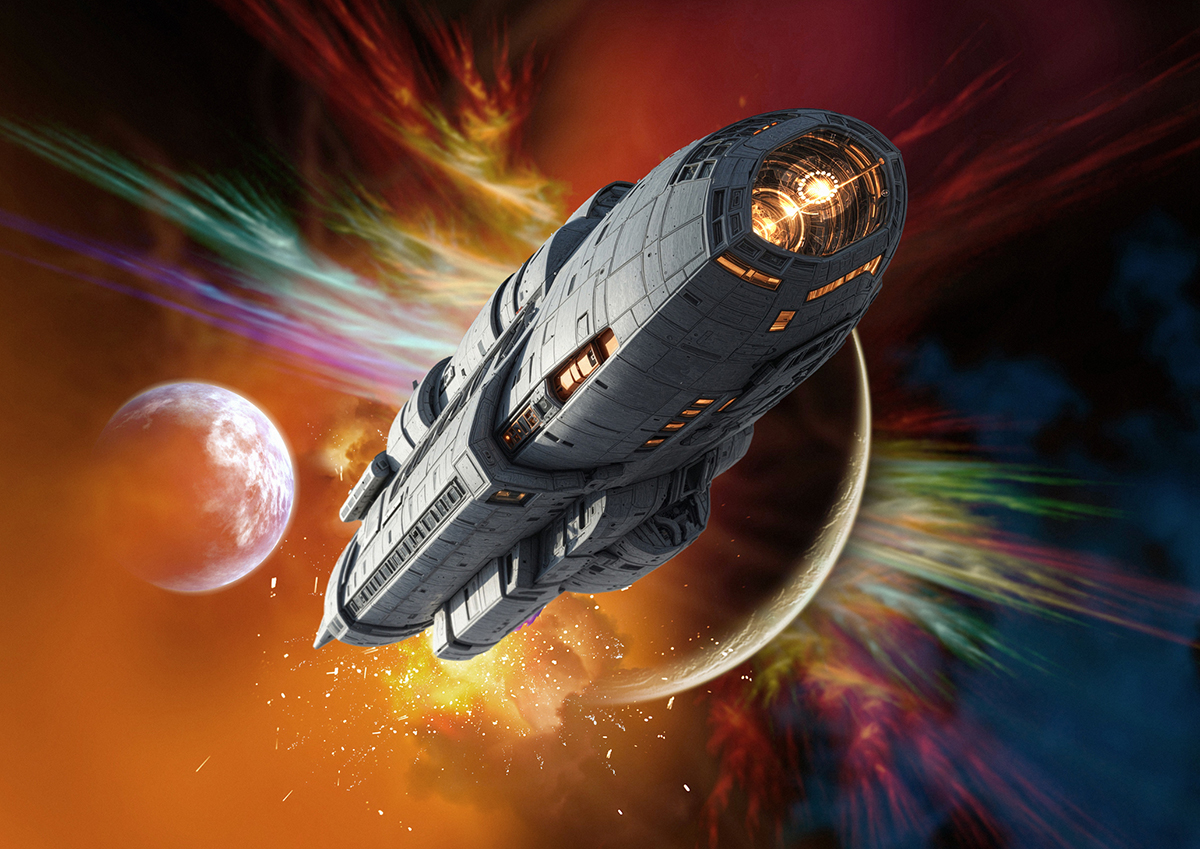
Light-powered spaceships may reach our nearest star in 20 years — scientists say it's possible
The Future of Space Travel and the Fate of Our Solar System
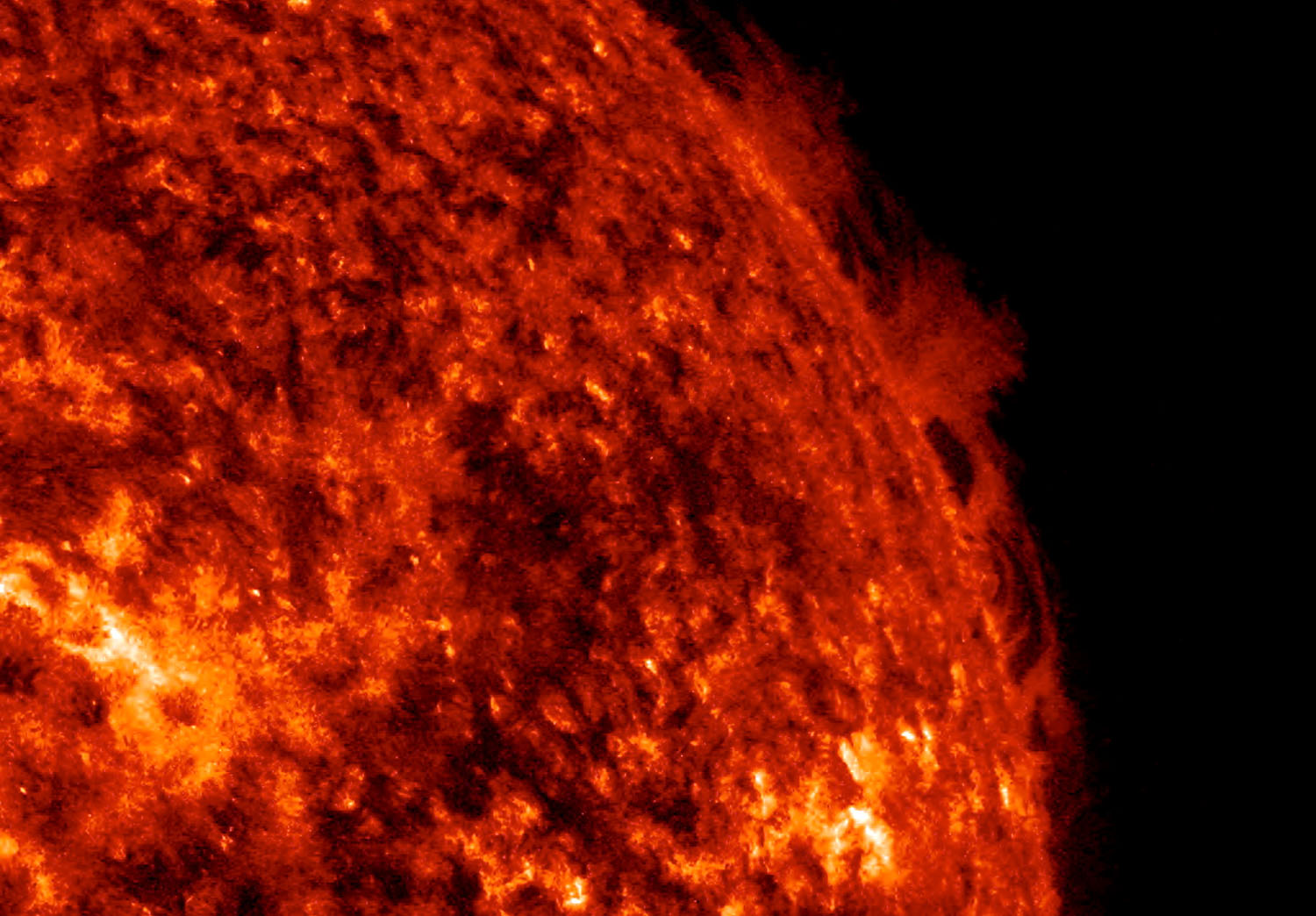
In about 5 billion years, the Sun will reach the end of its life cycle. As it begins to die, it will expand into a red giant, potentially engulfing the inner planets of our Solar System, including Earth. While this event is far in the future, it raises important questions about humanity's long-term survival. If we are still around by then, we may need to consider leaving Earth behind.
This idea has led to discussions about interstellar spaceflight and the potential for humans to become a space-faring species. The concept of traveling beyond our Solar System is not just science fiction; it’s a topic of serious scientific exploration. Some researchers believe that for humanity to survive, we must eventually leave our home system and find a new place among the stars.
Exploring New Worlds
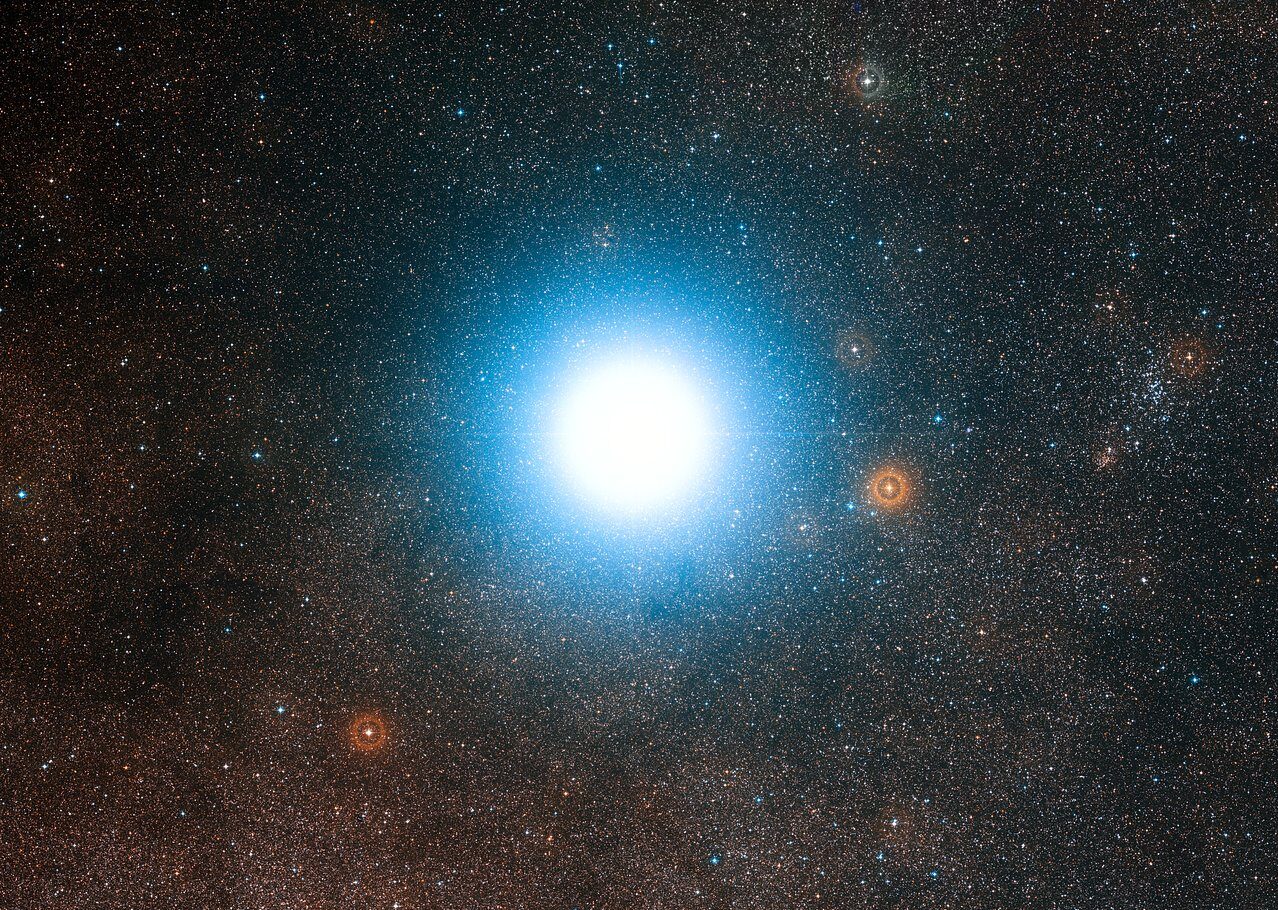
Our closest potential destination is Proxima b, an exoplanet located in the Alpha Centauri star system. However, the term "Earth-like" in exoplanet studies is often used loosely. Proxima b may share some similarities with Earth, but it is not yet confirmed whether it can support human life.
Even if we wanted to travel to Alpha Centauri, the journey would be incredibly long using current technology. It could take hundreds of thousands of years, meaning multiple generations would live and die on a spacecraft before reaching the destination. This raises significant challenges in terms of sustainability, resources, and psychological well-being.
A Breakthrough in Propulsion Technology
Now, a team of researchers from Texas A&M University has made a breakthrough in propulsion technology that could change the game. They have demonstrated a form of light-driven propulsion that could one day allow us to reach Alpha Centauri in just 20 years.
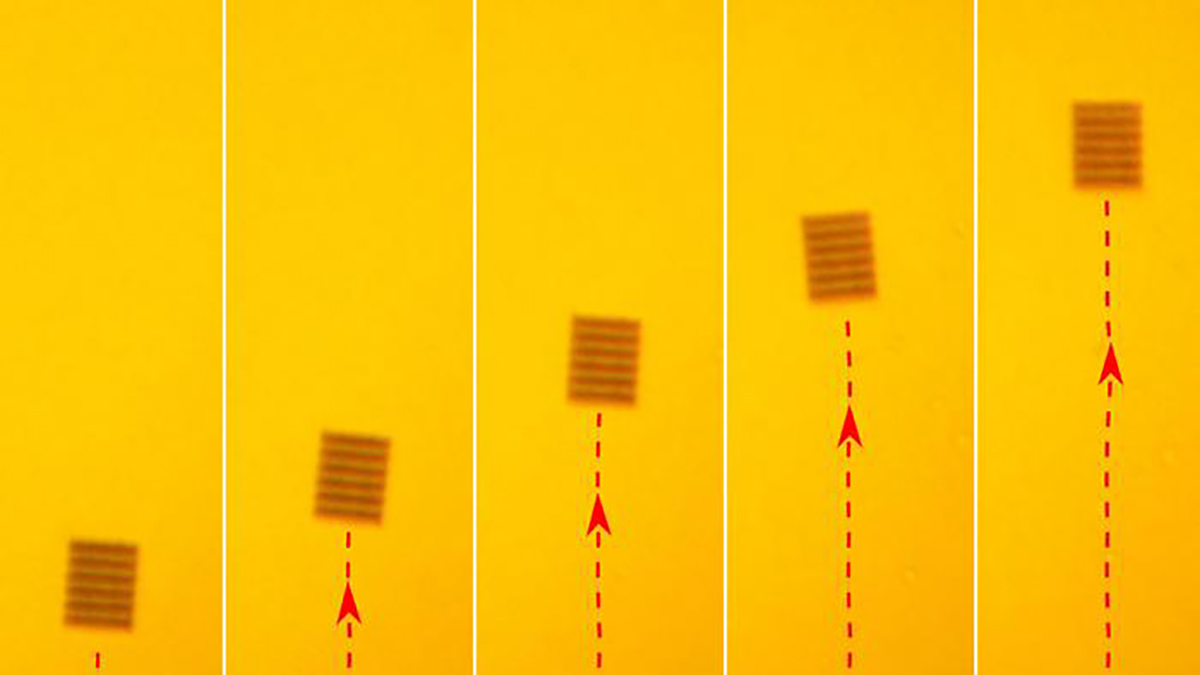
The research focuses on the use of lasers to lift and steer objects without physical contact. Dr. Shoufeng Lan, an assistant professor at the J. Mike Walker ’66 Department of Mechanical Engineering, leads the study. His team has developed small devices called metajets, which are micron-scale structures designed to move when hit by laser light.
These metajets are made of ultrathin materials with intricate patterns that control how light interacts with them. By carefully designing these structures, the team was able to manipulate the momentum transfer from light, causing movement. This process involves light reflecting off the object, transferring a small but measurable force that can push it.
Advancements in Light-Based Movement
The team's findings show that metajets can move objects in three dimensions, marking the first known demonstration of 3D maneuverability using this technique. According to the researchers, the method integrates control directly into the material, allowing for more flexible force generation. This could make scaling up the technology to spacecraft more feasible in the future.
Currently, the devices are smaller than the width of a human hair, but the physics behind the concept is sound. The team tested the devices in a fluid environment to simulate microgravity conditions, making it easier to observe their motion. They plan to conduct further tests in microgravity environments to refine the technology.
Potential Applications in Space Travel
Looking ahead, this technology could revolutionize space travel. It could enable propulsion techniques that use light to move and control large objects, such as spacecraft, without the need for fuel or physical contact. This would significantly reduce the weight and complexity of spacecraft, making long-distance travel more efficient.
The implications of this research extend beyond just propulsion. It opens up new possibilities for manipulating objects in space, potentially leading to advancements in robotics, satellite deployment, and even planetary exploration.
Conclusion
While the idea of interstellar travel may seem like a distant dream, innovations like light-driven propulsion bring us closer to making it a reality. As we continue to explore the universe, the need for sustainable and efficient space travel technologies becomes increasingly important. With continued research and development, the dream of reaching other star systems may one day become a reality.