Russia's drone flood: New aerial deception tactic revealed
A New Tactic in Russia’s Aerial Strategy
A new approach is emerging in Russia’s aerial operations in Ukraine, with reports indicating the use of imitation drones to confuse and overwhelm defensive systems. This tactic highlights a shift in the battlefield dynamics, where the volume of attacks and the use of deception are becoming as critical as traditional firepower.
Flooding the Skies
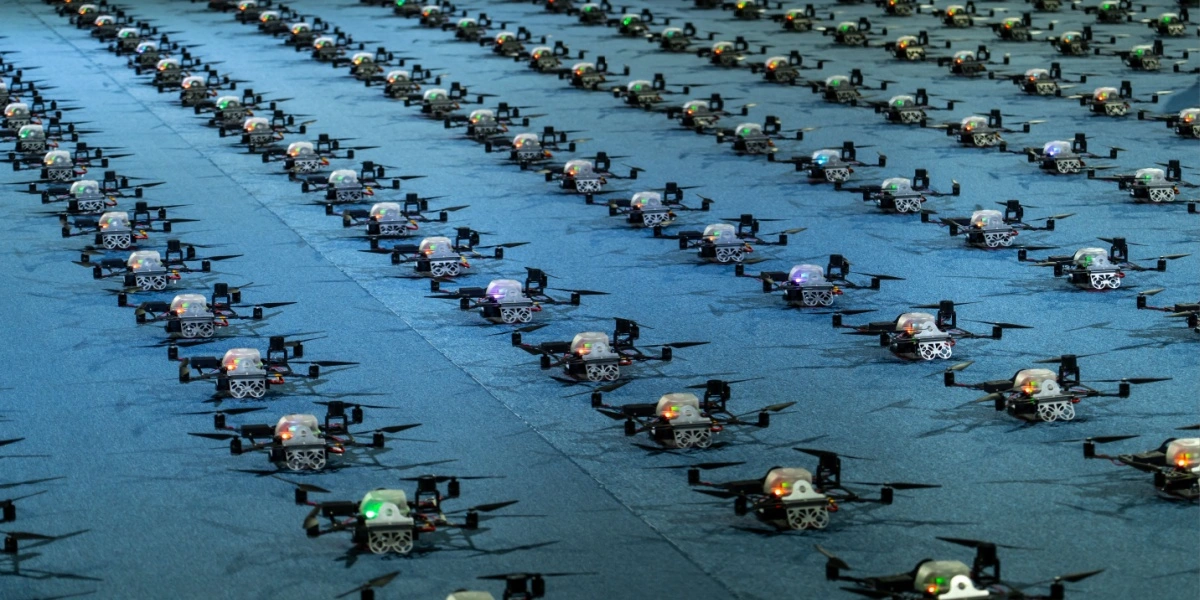
According to Voennoedelo, citing Ukrainian Defense Ministry adviser Sergey Beskrestnov, Russian forces deployed Parodiya decoy drones during strikes on May 2. These claims were shared on Telegram and have not been independently verified. Beskrestnov stated that dozens of these drones were launched alongside real attack systems, aiming to overwhelm Ukraine’s air defenses and make interception more difficult.
This strategy marks a significant change from earlier phases of the war, when waves of strike drones were used individually. Now, there is a clear effort to mix real and imitation targets, thereby stretching the capacity of defensive systems.
Designed to Confuse
Open-source data cited by Voennoedelo suggests that the Parodiya drone is lightweight and constructed to mimic real strike drones in flight. However, exact specifications remain unclear. It is believed to reach speeds of up to 200 km/h and operate at similar altitudes as attack drones, allowing it to blend seamlessly into incoming waves.
With a reported range of up to 600 kilometers, these decoys can travel long distances, increasing the likelihood that real drones slip through defenses undetected.
Part of Wider Strikes
Russia’s Defense Ministry stated that the same day’s strikes targeted military-industrial sites, airfields, and port infrastructure. It also claimed attacks on facilities used to store and launch drones, although these statements could not be independently confirmed.
The combination of real and imitation drones suggests a broader strategy aimed at exhausting air defenses over time, rather than relying solely on individual strike successes.
Implications for the Battlefield
This evolving tactic underscores the importance of adaptability in modern warfare. As both sides continue to refine their strategies, the use of decoys and other forms of deception may become more prevalent. This development could force Ukraine to invest more heavily in advanced detection and interception technologies to counter such tactics effectively.
Future Outlook
As the conflict continues, it remains to be seen how effective this new strategy will be in the long term. The integration of imitation drones into Russia’s aerial operations may set a precedent for future conflicts, where the ability to deceive and overwhelm enemy defenses becomes a key factor in determining the outcome of battles.
Key Points Summary
- Russia is reportedly using Parodiya decoy drones to confuse Ukrainian air defenses.
- The tactic involves launching imitation drones alongside real attack systems to overwhelm defenses.
- The Parodiya drone is designed to mimic real strike drones in flight, making it difficult to distinguish from actual threats.
- The use of decoys indicates a shift towards a broader strategy of exhausting enemy defenses over time.
- The effectiveness of this tactic remains to be seen, but it highlights the growing importance of deception in modern warfare.
