Electric air taxi prices to drop sharply
The Rise of Electric Air Taxis
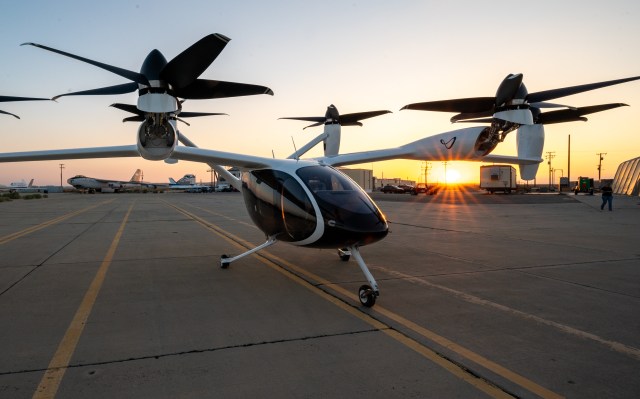
Electric vertical takeoff and landing (eVTOL) aircraft are rapidly advancing toward commercial viability, surpassing expectations from just a few years ago. Collaborations between the Federal Aviation Administration and electric aviation developers have accelerated the certification process, creating pathways for these innovative aircraft to enter the market. As a result, at least three companies are now positioned to launch commercial operations as early as 2025.
Cost Modeling and Economic Transformations
Cost modeling conducted by ARK Investment Management, drawing on operational data from Blade Urban Air Mobility, provides insight into how eVTOL services could reshape urban air travel pricing. Blade’s experience with helicopter shuttle services between Manhattan and JFK Airport serves as a benchmark, with traditional rotorcraft trips costing around $500. Early electric air taxi services, according to Blade, could bring this cost down to $430—a 14% reduction. With scaling and efficiency improvements, ARK projects that total trip costs could fall to about $180 within the next decade. If shared among three passengers, this would equate to roughly $70 per person.
Key Factors Influencing Unit Economics
The economic viability of eVTOL services depends on three main factors: upfront aircraft costs, annual utilization rates, and operating expenses. Joby Aviation estimates the manufacturing cost of an electric air taxi at approximately $1.3 million. Blade’s data for Part 135 rotorcraft operations indicates an average of 1,000 flight hours annually. ARK’s analysis suggests that higher utilization rates—up to 2,000 hours per year—could lead to about 23% of total available time if operated continuously. Increased utilization spreads fixed costs over more revenue-generating hours, significantly improving per-hour economics.
Operating Cost Reductions
Operating cost reductions are another critical factor in the economic equation. For example, the Robinson R66 model incurs over $300 per hour in combined fuel and maintenance costs. Electric air taxis, however, could cut these expenses by more than 30%. Electricity is much cheaper than aviation fuel, and electric motors and battery systems require less intensive maintenance compared to internal combustion engines. Reduced wear on moving parts and the absence of complex gearboxes also lower service intervals and overhaul costs.
Landing Fees and Infrastructure Costs
Landing fees currently make up a significant portion of helicopter trip expenses—about 40% for the Manhattan–JFK route. Historical data from the downtown Manhattan heliport shows that an annual lease of $1.3 million supported roughly 40,000 flights a decade ago. ARK anticipates that increased helipad utilization, driven by lower fares and higher demand, will put downward pressure on per-flight landing costs. Additionally, infrastructure designed for electric aircraft is expected to be less expensive to build and maintain due to reduced requirements for fuel storage and handling.
Noise and Community Concerns
Noise remains a potential barrier to widespread adoption of eVTOL services. Urban communities have historically resisted the expansion of heliport facilities due to acoustic impacts, reflecting a “not in my backyard” sentiment. This could slow infrastructure deployment and temper demand growth. However, recent demonstrations have shown promise. At one event cited by ARK, an electric air taxi operated so quietly that attendees were unaware of its presence until visually prompted. Lower noise signatures could help mitigate community concerns, enabling broader acceptance.
A Broader Mobility Ecosystem
ARK’s research positions electric air taxis as part of a larger mobility ecosystem. If autonomous electric ground taxis become more prevalent, traffic congestion in dense urban cores could triple over the next five to ten years. In such scenarios, the appeal of fast, low-emission aerial transport becomes more pronounced. The interplay of regulatory readiness, manufacturing scale, operational efficiency, and infrastructure adaptation will determine how quickly costs decline—and how rapidly these aircraft transition from novelty to integral components of metropolitan transit networks.
