Ubiquiti Imposes RAM Tax on Products, Sparks Backlash
Ubiquiti Introduces a 'Memory Surcharge' on Products
Ubiquiti has introduced a new fee known as a 'memory surcharge' when customers check out. This additional cost can be as high as 5.8% of the product's price and varies depending on the item being purchased. The surcharge is due to the rising costs of RAM and storage, and it is clearly displayed at checkout. This move has sparked mixed reactions from customers, with some expressing dissatisfaction while others appreciate the company's transparency.
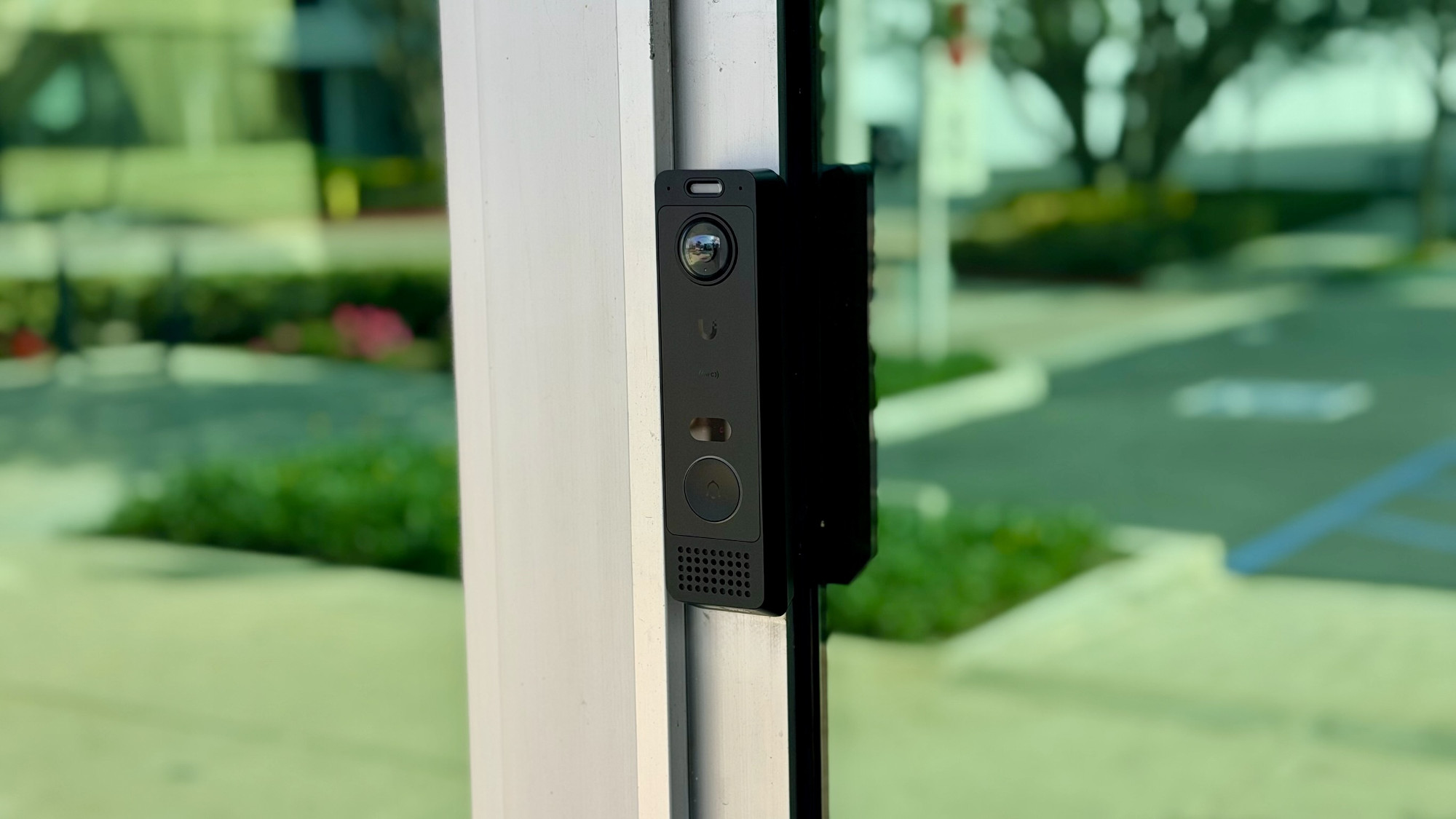
Ubiquiti is a well-known provider of networking and Wi-Fi equipment, along with other tech products such as security cameras and video doorbells. These products are primarily aimed at enterprises but also cater to individual consumers. The introduction of the memory surcharge was first noticed by Tom's Hardware, who highlighted the change in pricing.
The amount of the surcharge depends on the product. For low-cost items, it may only add a few dollars or the equivalent in local currency. However, for more expensive hardware, even a small percentage increase can result in a significant additional cost.
Some customers have expressed frustration upon discovering the surcharge for the first time. One Redditor shared their experience: "Just added some parts to my cart and saw a surprise €65 'Memory Surcharge.' They claim it's due to 'market volatility' in memory and storage. Is this becoming a new trend? It feels like a sneaky way to hike prices right at checkout."
Another customer noted: "I have been building this network for my home and keep going back and forth on a few items. This [memory surcharge] just went into effect today… $56 in total added." While this amount is relatively small compared to the overall purchase, it still came as an unwelcome surprise.
Despite the negative feedback, there are voices supporting Ubiquiti's decision. Some customers acknowledge that while no one is happy about price increases, the company is being transparent about the reasons behind the surcharge. This approach allows buyers to understand the cost increase and make informed decisions.
One Redditor commented: "I think this is Ubiquiti's attempt at saying they would rather not raise the price but due to circumstances out of their control (tariffs and AI memory demand) they have to. Since they are making it a surcharge, I am VERY mildly hopeful that if memory prices fall, or the US actually follows through on reimbursing tariffs, the surcharges will be dropped. For now, it's dreadful, but I get it."
Another user added: "Yea, I honestly prefer this over raising pricing and never coming down again." These sentiments highlight the importance of transparency in pricing, especially during times of economic uncertainty.
However, the current RAM crisis shows no signs of ending soon. Experts suggest that the easing of memory pricing might not occur until 2028 or even later. This raises concerns about the long-term impact of such surcharges on consumers.
While Ubiquiti's approach is commendable, it may also lead some customers to seek alternatives. Other retailers and manufacturers are also facing similar challenges due to the RAM crisis. As such, the question remains whether other hardware vendors will follow Ubiquiti's lead.
In addition to the memory surcharge, rumors suggest that CPUs may also see substantial price increases. The ongoing challenges in the tech industry continue to affect consumers in various ways.
As the situation evolves, it will be interesting to see how companies adapt to these challenges and whether transparency becomes a more common practice in the industry. For now, customers must navigate these changes while trying to make the best purchasing decisions possible.
