Physical OTPs Make a Comeback Amid Market Surge
The Resurgence of Physical OTPs in South Korea
Kim, a 52-year-old office worker based in Seoul, recently obtained a physical one-time password (OTP) generator from a branch to increase the transfer limit on his securities account. Kim shared, “It is convenient because it uses a physical button press instead of complex smartphone authentication.” This sentiment reflects a growing trend among older generations who prefer tangible security solutions over digital alternatives.
Physical OTPs, once thought to be obsolete, have experienced a surprising resurgence due to the booming stock market. Financial institutions, particularly large banks and securities firms, have seen a significant increase in the issuance of these devices. Some branches even report stock shortages, indicating a strong demand for physical OTPs. For example, A Bank, which issues over 300,000 physical OTPs annually, saw an 11% increase in issuance during the second half of last year compared to the first half. This upward trend has continued into the first quarter of this year.
An OTP is an authentication device used for internet and mobile financial transactions. It generates a new password each time a button on a thumb-sized or credit card-shaped device is pressed, offering high security that allows transfer limits to be approximately double the existing ones, depending on the financial institution. Previously, the demand for physical OTPs had been declining as smartphone-based mobile OTPs and financial institution certificates became more widespread. A bank official noted, “Most young customers who are accustomed to using smartphones choose mobile authentication methods.”
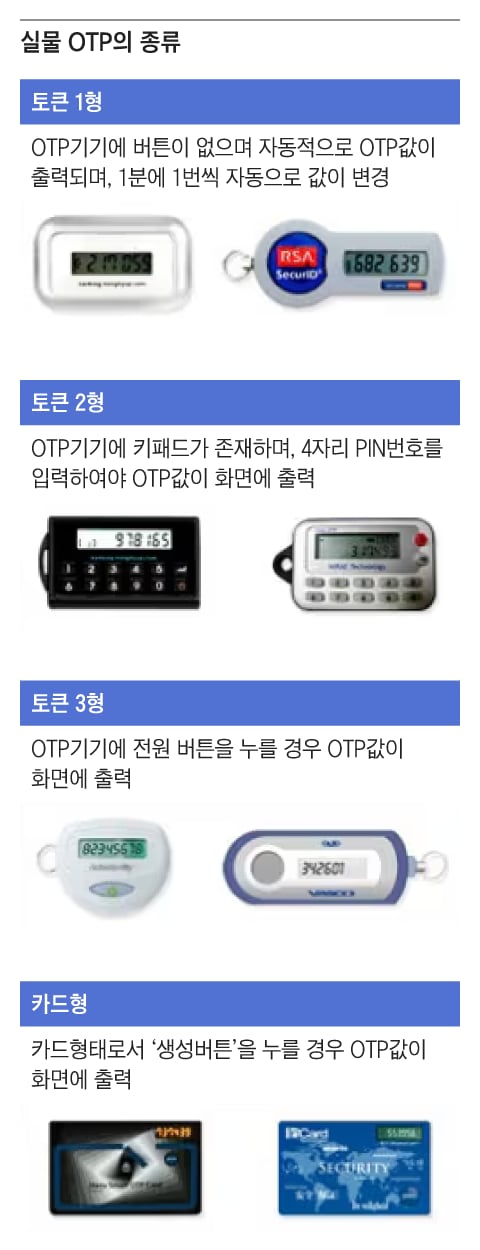
However, as domestic stock market transaction amounts have increased and new investors have emerged, the issuance of physical OTPs has once again risen. The financial sector attributes this trend partly to the expansion of stock investments by the 5060 generation, who are accustomed to using physical devices. Another advantage of physical OTPs is that a single device can be used across multiple financial institutions, including banks and securities firms.
Some worry that if demand for physical OTPs continues to rise, supply issues could arise. The number of suppliers for physical OTPs has decreased to around two companies due to the expansion of mobile authentication.
Benefits and Challenges of Physical OTPs
- High Security: Physical OTPs generate a unique password with each button press, providing a secure method for financial transactions.
- Ease of Use: Many users find the physical device more intuitive than smartphone-based authentication, especially those less familiar with technology.
- Multi-Institution Compatibility: A single physical OTP can often be used across different financial institutions, making it a versatile option.
Despite their advantages, physical OTPs face challenges in a market increasingly dominated by digital solutions. As more consumers adopt smartphone-based authentication, the reliance on physical devices may continue to decline. However, the current surge in demand suggests that there is still a significant portion of the population that values the simplicity and reliability of physical OTPs.
Future Outlook
The future of physical OTPs remains uncertain. While they may not completely disappear, their role in the financial sector is likely to evolve. Financial institutions must balance the needs of different customer segments, ensuring that both younger and older users have access to secure and convenient authentication methods.
As the stock market continues to grow and more individuals enter the investment landscape, the demand for physical OTPs may persist. However, the industry will need to address potential supply chain issues and adapt to changing consumer preferences.
In the meantime, the resurgence of physical OTPs highlights the ongoing importance of security in financial transactions. Whether through physical devices or digital platforms, the goal remains the same: to protect users and ensure the integrity of online financial activities.
