£400 Solar Panels Delayed Over Fire Safety Fears
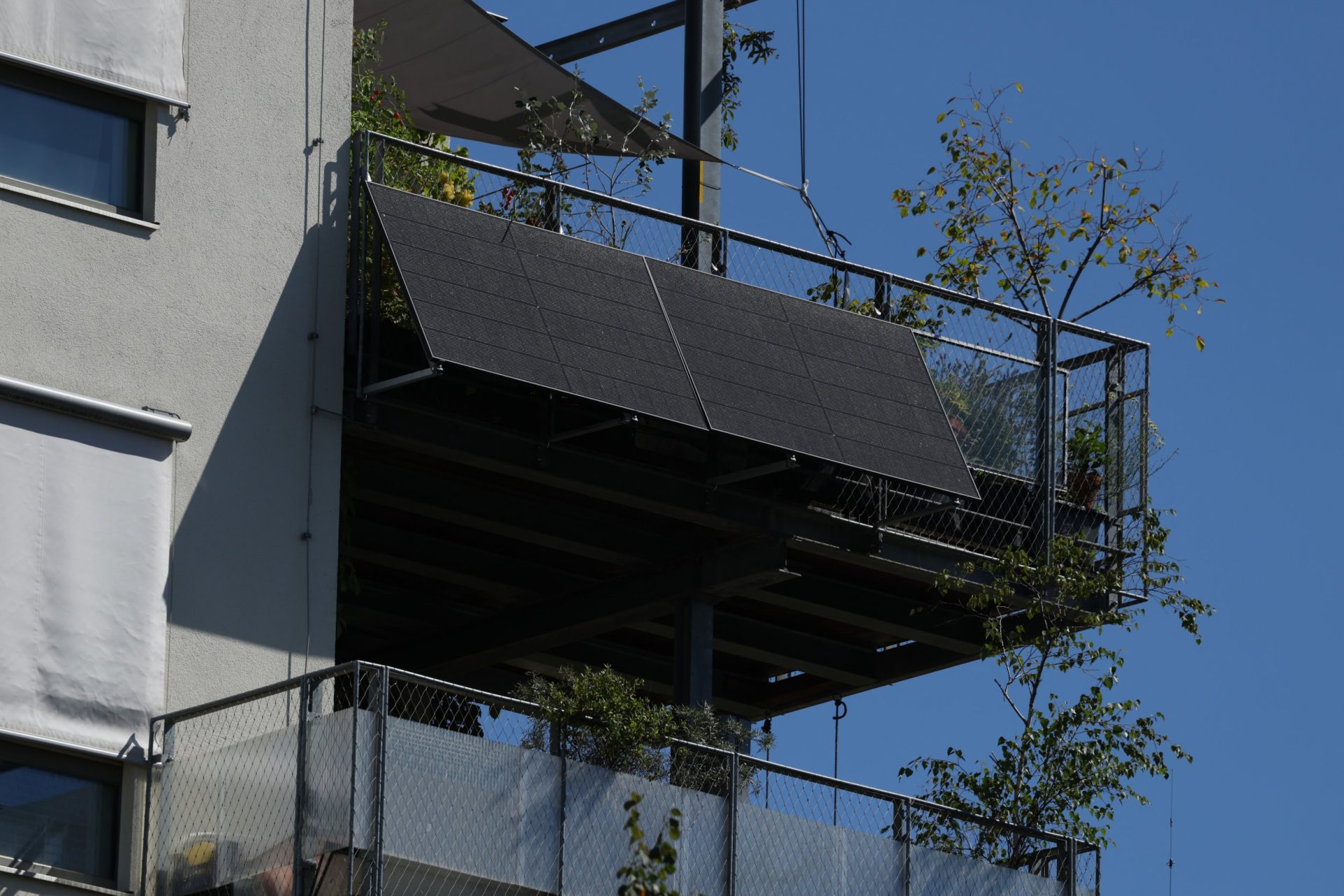
The Potential of Plug-in Solar Panels in the UK
Plug-in solar panels, a lightweight and convenient solution for generating renewable energy, may not be available in British supermarkets this summer due to safety concerns. Experts have raised alarms about the suitability of these panels for older homes in the UK, despite government assurances that safety regulations will be updated to allow their sale in major retailers like Lidl and Iceland.
The Institute of Engineering and Technology (IET) has warned that differences in electrical wiring between UK homes and those in countries where plug-in solar is already widely used could pose risks such as electric shocks or fires. This concern stems from the way the UK's residential electrical systems are structured, which may not align with the requirements of plug-in solar technology.
How Plug-in Solar Works
Plug-in solar panels are designed to be plugged directly into a standard power socket, allowing households to generate free solar energy. Each panel typically costs around £400 and is estimated to save households up to £110 annually on electricity bills. The UK government hopes to replicate the success seen in Germany, where millions of households have adopted similar technology for use on roofs, balconies, and garages.
However, the IET, Europe’s largest professional engineering society, has highlighted potential hurdles in the UK due to differences in electrical systems. Specifically, the use of Residential Current Devices (RCDs), an essential safety feature on fuse boxes, is a key concern.
The Role of RCDs in Electrical Safety
RCDs are designed to cut off electricity when they detect a current leak. For plug-in solar panels to function safely, they require “bidirectional RCDs,” which can manage electricity flowing both into and out of the circuit. These types of RCDs have been mandated in Germany since the 1980s, but many UK properties, especially older buildings, still use outdated versions.
Mark Coles, technical director of the IET, explained that older RCDs may not be suitable for handling electricity flowing back into the circuit, increasing the risk of malfunctions that could lead to electrical shocks or fires. He emphasized the importance of caution, urging homeowners to have their electrical systems checked by a qualified professional before installing plug-in solar panels.
Expert Concerns and Calls for Caution
Luke Osborne, Technical Director at the charity Electrical Safety First, echoed these concerns, stating that without necessary changes, plug-in solar panels could negatively impact protective devices such as RCDs. While the government aims for an ambitious rollout of this technology, Osborne stressed the need to address these potential risks.
The government has commissioned a study to inform changes to safety regulations, focusing on the issue of RCD devices. However, the Department for Net Zero and Energy Security (DESNZ) has not provided an exact timeline for the publication of new safety regulations.
The IET has urged consumers to have their electrical systems inspected by a competent professional before using plug-in solar panels, warning that the technology could exacerbate existing electrical safety issues. Coles shared an example involving his mother, highlighting the uncertainty surrounding the safety of older installations.
Optimism from Industry Leaders
Despite these concerns, some experts remain optimistic about the potential of plug-in solar. Chris Hewett, chief executive of Solar Energy UK, described the system as "a great and flexible solution as long as it’s done properly and well." He is waiting for the results of the government-commissioned safety study but sees no reason why plug-in solar cannot work in the UK or be ready by the end of the summer.
A DESNZ spokesperson stated that tests have shown plug-in solar is safe to use on UK domestic circuits. They added that all products must meet the UK’s high product safety standards and that an independent study is underway to inform further regulations ahead of their sale.
Final Thoughts
As the UK moves toward adopting plug-in solar technology, the balance between innovation and safety remains critical. While the potential benefits are clear, the unique challenges posed by the country’s electrical infrastructure mean that careful consideration and expert guidance are essential. Homeowners are encouraged to seek professional advice before making any decisions about installation.
