Face Unlock Danger: Experts Warn of Data Risks
New Research Reveals Flaws in Face Unlock Technology
New research has uncovered significant vulnerabilities in face unlock technology, revealing how easily some smartphones can be accessed. This discovery highlights the importance of understanding and improving device security to protect personal information.
The Importance of Phone Security
For many parents, their phones have become mini-vaults containing a wealth of personal data. From family photos and school emails to WhatsApp chats, mobile banking apps, and quick notes, these devices hold a vast amount of sensitive information. The idea that a hacker could unlock a phone using just a picture is deeply unsettling.
The research conducted by Which? demonstrates that this risk is very real. Their findings have sparked important discussions about the security measures we rely on daily.
What the Experts Found
Researchers from Which? worked with testing expert Adam Speight and their lab team to evaluate over 200 different smartphone models. They tested the effectiveness of face unlock capabilities and discovered some alarming results.
More than half of the phones tested could be unlocked using a printed photo of the owner. This means that, in many cases, a thief does not need to show the actual face of the user to gain access. A simple image of the face is often enough.
Which Phones Are Most at Risk?
The primary issue lies with Android-based phones that use basic two-dimensional facial recognition. These systems rely on a flat image of the user's face rather than creating a three-dimensional 'depth map'.
Several brands, including Motorola, OnePlus, and Samsung, were found to have models that are highly vulnerable. Additionally, Which? noted that some manufacturers did not provide adequate warnings to users about the risks associated with face unlock features. As a result, many users believed their phones had stronger security measures than they actually did.
How This Affects Daily Life
Even if your mobile banking app has additional security layers, a thief who gains access via face unlock will have full control over your communications, email, and gallery. They may also collect enough information to reset passwords for other applications.
With so much of our daily routine stored on our phones—such as family chat groups and online shopping accounts—it’s clear that this vulnerability poses a real threat to our overall safety.
Are There More Secure Options?
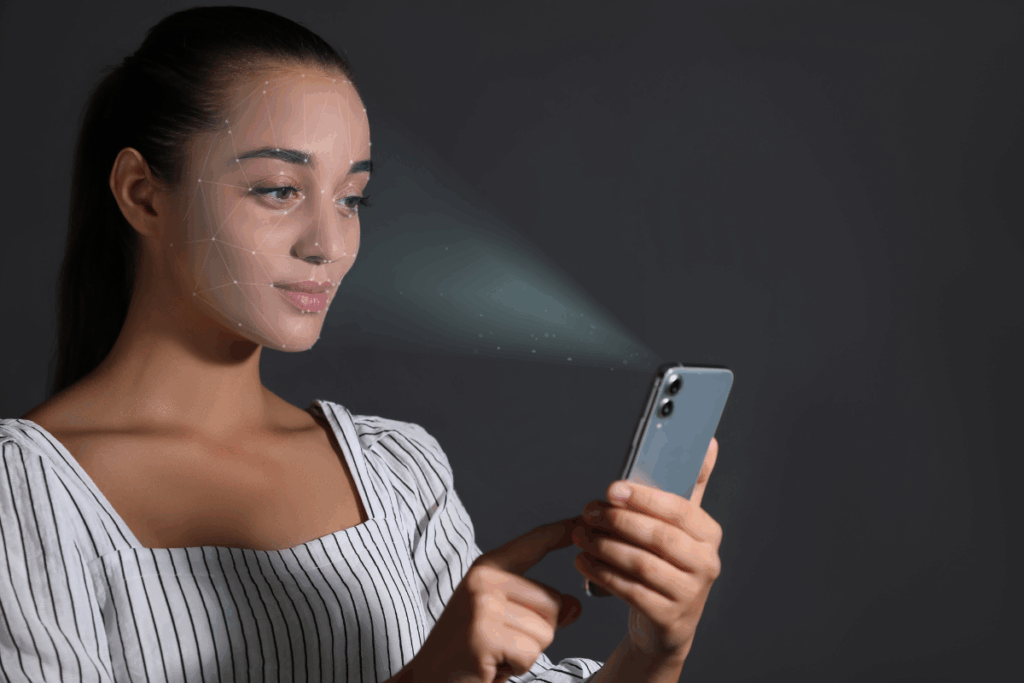
Not all face unlock features are equally secure. Newer models have incorporated advanced technologies that make it significantly harder for hackers to bypass them.
For example, Apple's Face ID uses three-dimensional mapping to create a precise 'map' of the user's face. More recently, the Samsung Galaxy S26 line has shown notable improvements compared to earlier models. Google's latest Pixel phones also offer a more secure form of face unlock through advanced software that meets higher security standards.
These systems can distinguish between an actual face and a flat image, providing a much greater level of protection.
Steps You Can Take to Protect Your Device
Experts recommend that if you are using a phone with basic two-dimensional facial recognition, consider switching to a more secure alternative. Fingerprint readers or entering a six-digit PIN are options that are difficult for others to bypass.
While it may seem inconvenient to enter a longer code, especially when busy, it significantly enhances the security of your device. You can also add extra security layers to certain apps, such as messaging or email, so they require your fingerprint even if your phone is already unlocked.
A Small Change That Makes a Big Difference
It's easy to prioritize convenience in our fast-paced lives, and face unlock can feel like the quickest option when hands are full. However, with so much personal information stored on our phones, it's worth taking a moment to check how secure they really are.
Switching to a stronger unlock method might take a few extra seconds, but it can make a real difference in keeping your data and your family’s information safe.
5 FAQ About Smartphone Face Unlock Security Risks
-
What did the research reveal about face unlock features?
Research by Which? found that more than half of the tested smartphones could be unlocked using just a printed photo. -
Why are some phones more vulnerable than others?
Many Android devices use basic 2D facial recognition, which relies on flat images instead of advanced depth mapping, making them easier to bypass. -
Which brands have vulnerable models?
Researchers tested phones from Motorola, OnePlus, and Samsung, and identified several models as highly vulnerable. -
Are any face unlock systems considered safer?
Yes, systems like Face ID and newer devices such as the Samsung Galaxy S26 and Google Pixel use more advanced 3D mapping or enhanced software, making them harder to trick. -
How can you better protect your phone?
Switching to fingerprint unlock or a strong PIN and adding extra security layers to apps like messaging or email can significantly improve protection.
