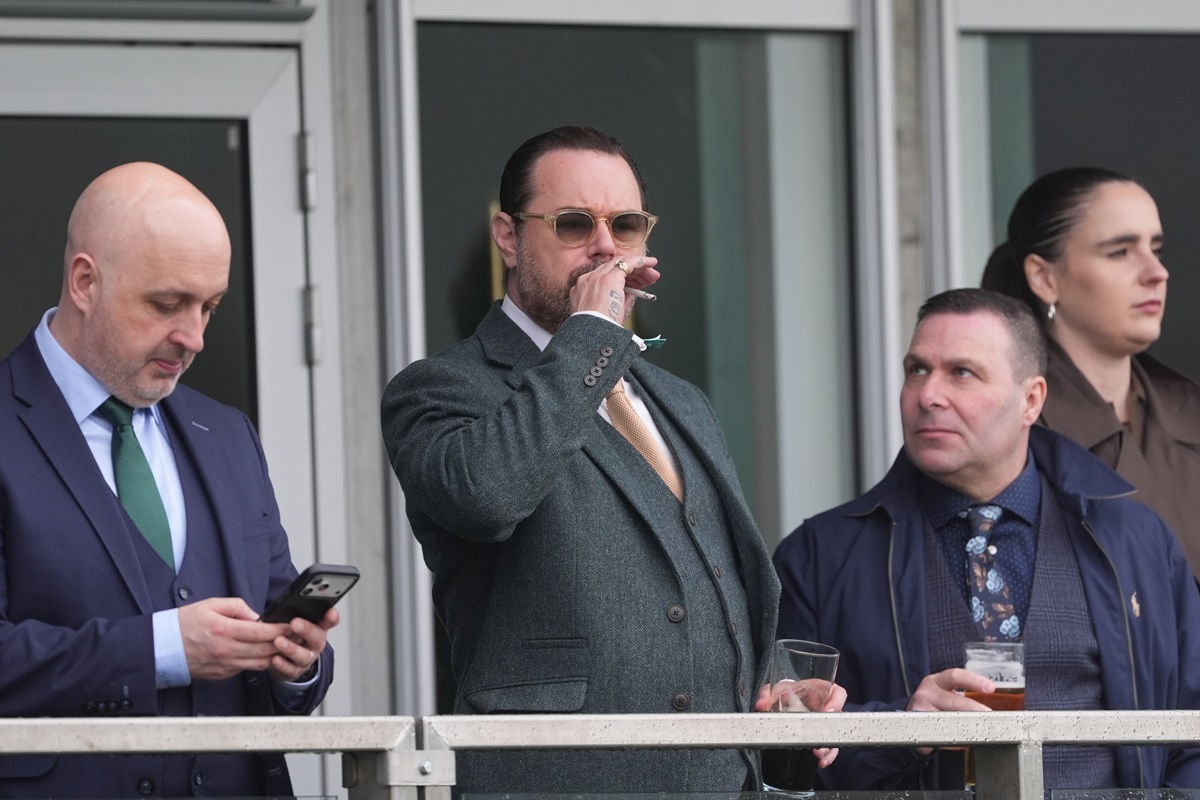
Danny Dyer: Many Men Never Grow Up, Boys Not Raised to Be Men
Danny Dyer on Masculinity, Mental Health, and Raising Kids in the AI Age
Danny Dyer, a beloved figure from the long-running BBC soap EastEnders, has recently shared his thoughts on masculinity, mental health, and the challenges of raising children in today’s digital world. The 48-year-old actor, known for his iconic role as Mick Carter, has spoken candidly about how many men never truly grow up, and how societal expectations often prevent boys from developing into well-rounded individuals.
Dyer emphasized that while he enjoys the banter and camaraderie between men, it is equally important for them to embrace their more sensitive side. “It’s about being able to slip into that feminine side and open up about your feelings,” he said. He believes that boys are often raised to be boys, not men, and that this lack of guidance leaves many struggling to understand what it means to be a decent man. “We’re so frightened of being too cuddly or affectionate or crying,” he added.
His comments come at a time when mental health awareness is becoming increasingly important, especially for men who may feel pressured to conform to traditional masculine stereotypes. Dyer himself has faced personal struggles with addiction and found solace in mindfulness practices during his rehabilitation. “It’s about being able to sit with your own thoughts and feelings,” he explained. “I think they should teach kids this at school.”
Dyer also highlighted the importance of breathing techniques, which he believes can help manage anxiety. “Oxygen is a f** healer,” he said. “Now and again when I have these moments of anxiety, I just breathe.” He noted that many people dismiss meditation as something frivolous, but he sees it as a powerful tool for emotional well-being.
A New Role and Old Challenges
In addition to his reflections on masculinity, Dyer is preparing for a new role in the second series of Rivals, based on Jilly Cooper’s best-selling novel. This time, he will play Freddie Jones, a businessman, which is a significant departure from some of his previous roles, such as the troublemaker Moff in Human Traffic and the hardman Tommy Johnson in The Football Factory. Despite these tough characters, Dyer insists he was never a football hooligan. “People perceive me as tough, but I’m actually quite a gentle person and a sensitive soul,” he said.
This contrast between his on-screen personas and his real-life personality highlights the complexity of his character. It also underscores the importance of breaking down stereotypes and embracing vulnerability, both in acting and in life.
Parenting in the Digital Age
As a father to three children—Dani, Sunnie, and Arty—Dyer is also concerned about the impact of technology on young minds. He worries about his youngest son growing up in an AI-powered world where information is instantly accessible. “We’re regressing,” he said. “Back in the day, if you didn’t know something, you couldn’t just punch it into a phone and find out the answer. It just makes us f** lazy.”
Dyer tries to counteract this by spending quality time with Arty, encouraging outdoor activities like biking and teaching him to play chess. “I have to let him win, because he’s such a bad loser,” he joked. However, he acknowledges the challenge of getting kids to step away from screens and engage with the real world. “They can communicate in their headphones all day long in their house, shooting shit, and this is what we have to adapt to as parents.”
Final Thoughts
Danny Dyer’s insights offer a fresh perspective on masculinity, mental health, and modern parenting. His journey from actor to advocate for emotional openness reflects a broader conversation about how society can support men in becoming more emotionally intelligent and resilient. As he continues to take on new roles and navigate the complexities of family life, Dyer remains a voice for change—one that encourages men to embrace both strength and sensitivity.