Beijing Signals Chip Supply Concerns After Nexperia China Cut Off from SAP
Global Tech Developments and Policy Shifts
Recent developments in the global tech landscape have seen a mix of policy changes, corporate actions, and strategic investments across various countries. From Indonesia’s social media restrictions to China’s concerns over AI's impact on employment, these updates highlight the evolving relationship between technology and society.
Indonesia's Social Media Ban for Minors
Indonesia has taken a significant step in regulating online behavior by announcing a ban on social media platforms for children aged 16 or under. The initiative, led by Minister of Communication and Digital Affairs Meutya Hafid, aims to address issues such as cyberbullying and the risk of addiction. The ban, set to take effect from March 28th, will affect major platforms like YouTube, TikTok, Facebook, Instagram, Threads, X, Bigo Live, and Roblox. With nearly 300 million residents, Indonesia is the world’s fourth-most populous country, and this move could significantly impact the user base of these platforms.
Semiconductor Supply Chain Tensions
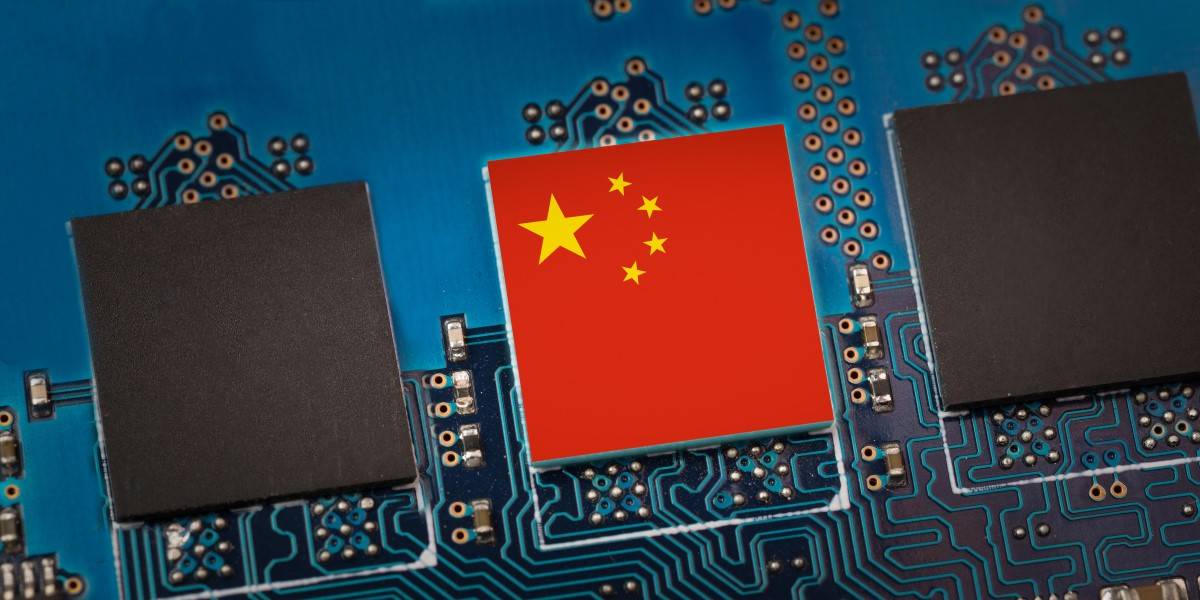
China's Ministry of Commerce has raised concerns about potential disruptions in the global semiconductor supply chain following an incident involving Dutch chipmaker Nexperia. Nexperia, which is owned by Chinese company Wingtech Technologies, recently cut access to systems like SAP and Microsoft 365 for its Chinese employees. This action has caused tension between the Dutch and Chinese entities, with the Dutch side denying claims made by Nexperia China. The situation has prompted warnings from China that the Netherlands may bear responsibility if it leads to another global semiconductor crisis.
AI and Employment in China
China's Minister of Human Resources and Social Security, Wang Xiaoping, has acknowledged the rapid development of artificial intelligence and its profound impact on employment. While the government is exploring ways to harness AI for creating new job opportunities, there are growing concerns about the potential displacement of traditional jobs. A report highlighted Wang's remarks, emphasizing that the situation is "of great concern to everyone." The government is focusing on developing new professions in areas such as new quality productive forces, new consumption hotspots, and services for public wellbeing.
India's PC Market Challenges
Despite a reported "strongest year ever" for PC shipments in India, with 15.9 million units sold last year, the market faces challenges. Analyst firm IDC noted that 8.6 million PCs went to businesses, leaving only 7.3 million for consumers. Given India's population of over 1.4 billion, the growth in PC shipments remains modest. This highlights the disparity between business and consumer demand, indicating that personal computing is still not widely adopted.
Vietnam's AI Initiatives
Vietnam has announced the creation of a national AI fund aimed at establishing AI cluster hubs in high-tech parks, digital technology zones, and innovation centers. While the extent of the investment has not been specified, the government has indicated that some funds will support investors building technical infrastructure. Additionally, AWS Vice President Kerry Person expressed a desire to develop local talent and expand business with Vietnam's government.
Panasonic's Cooling Innovations
Japanese company Panasonic has started taking orders for its datacenter-grade liquid cooling kit in Europe. This innovation is designed to help operators of generative AI datacenters manage heat efficiently. The product utilizes technology developed by Tecnair S.p.A, a company acquired by Panasonic in 2023. Furthermore, Panasonic has introduced a new datacenter cooling solution for small facilities where outdoor temperatures are below 10°C, leveraging low temperatures to generate chilled water.
