Stellantis Hires 2,000 Engineers Amid Rising Quality Concerns

Stellantis has taken significant steps to address quality concerns by hiring over 2,000 engineers. This move comes in response to growing concerns about the reliability of recent models and shifts in technology. Some dealers have linked these issues to earlier cost-cutting measures, which may have impacted the company's ability to maintain high-quality standards.
For automakers, the challenge is not just about producing vehicles but ensuring that they are perceived as reliable and of good quality. A negative reputation can be hard to shake, even if a company releases many cars. Stellantis is now making a concerted effort to improve its image, with CEO Antonio Filosa referring to this initiative as a “deep reset” as new models hit the market.
During a February earnings call, Filosa highlighted the need for restructuring processes to tackle problems stemming from past operational decisions. He emphasized that the company is focusing on improving quality management to address these issues effectively.
Quality Takes Center Stage
Quality has become a more prominent focus within Stellantis’ leadership structure. The appointment of Chief Quality Officer Sebastien Jacquet to the strategic leadership team underscores the company’s commitment to integrating quality into its core business strategy across all brands. However, it remains to be seen how these efforts will translate into tangible improvements for consumers.
A Mixed Track Record
Stellantis’ performance in quality assessments has been inconsistent. In 2020, Dodge became the first domestic brand to lead the J.D. Power U.S. Initial Quality Study, and it repeated this achievement in 2023. However, the brand fell to last place the following year before climbing back to seventh in 2025. Meanwhile, Chrysler and Ram both finished below average in the latest study, which evaluates problems reported during the first 90 days of ownership.
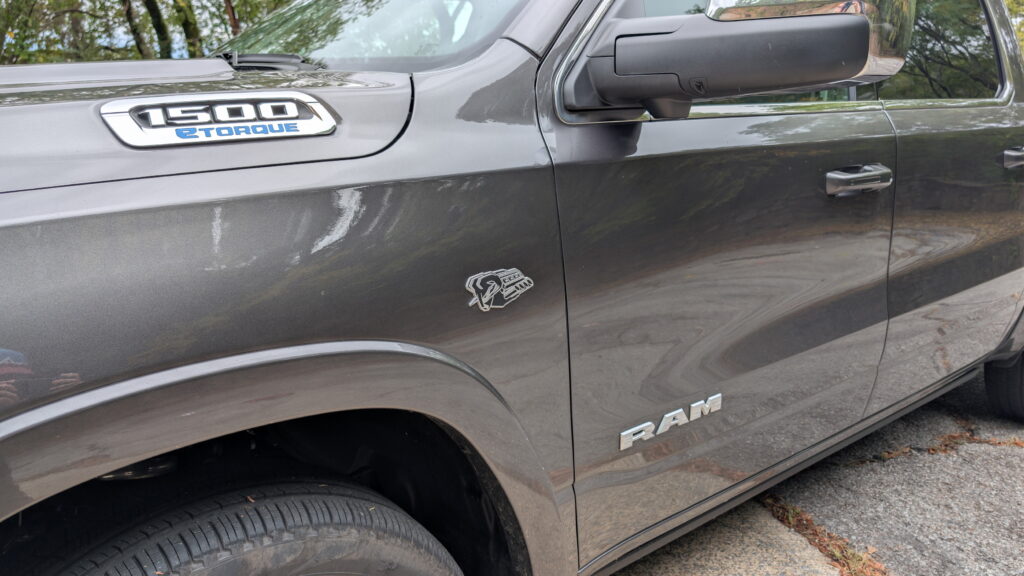
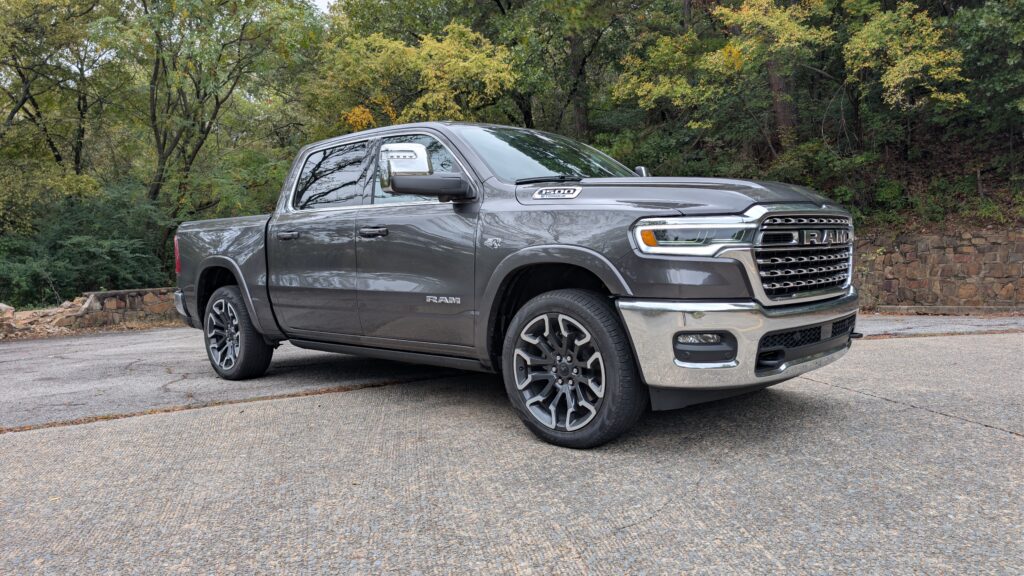
These results are intriguing, especially considering the models involved. Older vehicles like the Chrysler Pacifica and Dodge Durango typically do not face consistent issues. On the other hand, newer models such as the recently redesigned Ram 1500 often experience growing pains when introduced to the public.
Jake Fisher, director of Consumer Reports’ Auto Test Center, noted that launching new vehicles or redesigning existing ones often leads to initial problems. “You look at the automakers that are very reliable, they’re the ones that are very stable. They have carryover platforms, they carry over powertrains,” he said.
Some dealers believe these quality issues trace back to cost-cutting measures implemented under former CEO Carlos Tavares, which they argue reduced engineering resources. Sean Hogan, chairman of the Stellantis National Dealer Council, stated, “In my mind, that all probably goes back to engineering. When you make those cuts that Tavares did, and you still want the same quality, it’s just not going to happen.”

A Reset Built On Simplicity
Looking ahead, Stellantis is focusing on simpler and more proven hardware in some cases. The company recently reintroduced the long-running 5.7-liter Hemi V8 in the Ram 1500, a decision some analysts believe could help stabilize reliability. Despite being less powerful, slower, and less fuel-efficient, the vehicle has generated strong interest among buyers.
This shift toward simplicity reflects Stellantis’ broader strategy to streamline production and improve quality. With an additional 2,000 engineers on board, the company is well-positioned to address these challenges and enhance customer satisfaction.