Professor Offers Balanced Perspective on AI Data Center Debate
The Rise of Data Centers in Indiana
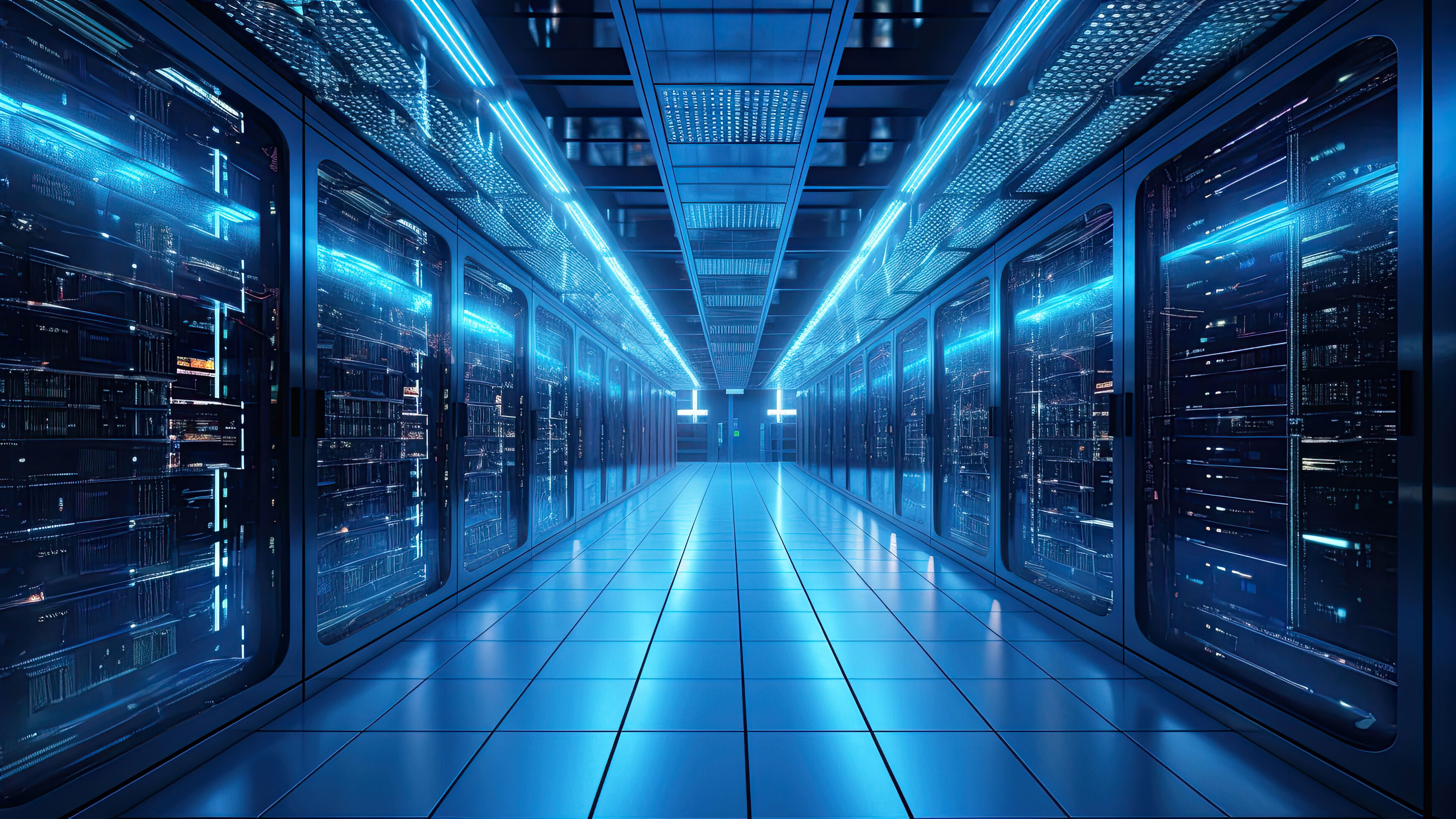
Indiana is quickly becoming a hotspot for data center development. As of this year, more than 18 data center projects are planned across the state, according to recent reports. Major technology companies such as Amazon, Microsoft, Google, and Meta are showing significant interest in establishing multi-acre tech parks in the Hoosier State. This trend highlights the growing importance of Indiana in the broader landscape of digital infrastructure.
Environmental Concerns and Community Impact
Despite the potential benefits, there are growing concerns from local communities about the environmental impact of these facilities. Opponents have raised issues regarding noise pollution, air quality, and the high water consumption required by data centers. These concerns are particularly relevant in regions where agriculture is a primary industry, as water resources are crucial for irrigation and farming activities.
Jean Hardy, an assistant professor of media and information at Michigan State University, has highlighted the potential impact of data centers on local communities. She notes that in areas heavily dependent on water for agricultural purposes, the introduction of a data center could significantly alter the availability of water resources. For example, a data center may require tens of millions, or even hundreds of millions, of gallons of water from local aquifers, which can affect the livelihoods of farmers and other residents.
Lack of Long-Term Research
Hardy also pointed out that few existing studies have examined the long-term environmental effects of data centers on local aquifers. While current operating facilities in Indiana have a total capacity of 531 megawatts, the planned data centers would add another estimated 7,400 megawatts. This increase raises questions about sustainability and the ability of local ecosystems to handle such demands.
The Role of Data Centers in Modern Life
Despite these concerns, Hardy emphasized the essential role that data centers play in modern life. They are integral to the digital infrastructure that supports everyday activities, such as using a smartphone or laptop. If communities wish to participate in the evolving digital landscape, she encourages them to engage more actively with data center projects.
"Data centers aren't necessarily this big boogeyman all the time," Hardy said. "Communities are actually really well-positioned in contemporary negotiations around data centers to actually get a lot of benefit."
Benefits and Collaborative Efforts
Hardy added that developers of large-scale data centers in the western half of the United States often work closely with local communities to ensure that resources are directed towards local development. This collaboration can lead to improvements in schools, emergency services, and other critical infrastructure. By engaging with these projects, communities can secure financial support and resources that contribute to their long-term growth and stability.
In conclusion, while the expansion of data centers in Indiana presents challenges, it also offers opportunities for economic development and technological advancement. Balancing these factors will be crucial for ensuring that the benefits of data center growth are shared equitably among all residents.
